-
10 Strategies for Successful Differentiated Instruction in Multiage Classrooms

Differentiated instruction is an instructional approach that aims to meet the diverse learning needs of students by tailoring instruction and assessment to their individual strengths, interests, and readiness levels. This approach has gained popularity in multiage classrooms, where students from different grade levels are grouped together in one classroom. Implementing differentiated instruction in a multiage…
-
Navigating Assessment in Non-Traditional Education: The Power of Formative Assessments
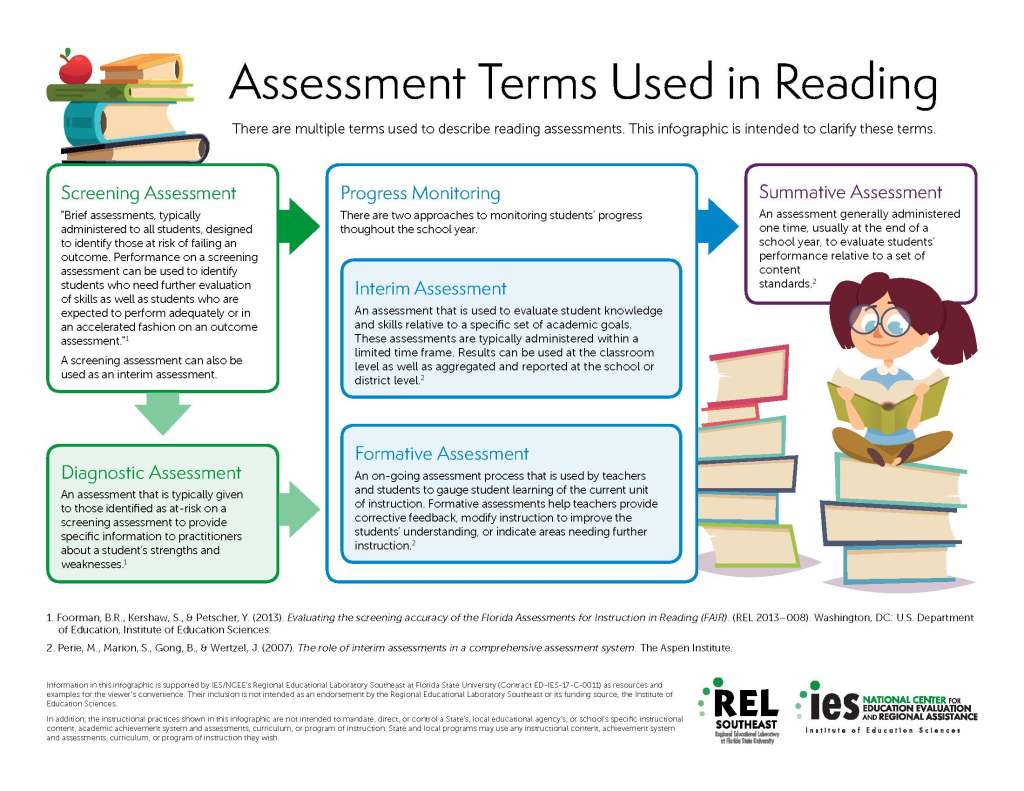
Formative Assessments in Non-Traditional Education Settings In today’s rapidly changing world, traditional education methods are gradually being supplemented and sometimes even replaced by non-traditional approaches. Whether it be homeschooling, online learning, or alternative schooling models, these non-traditional education settings offer a flexible and personalized way of learning for students. While the shift towards non-traditional education…
-
Unlocking Potential: Nurturing Gifted Learners through Inclusion and Support
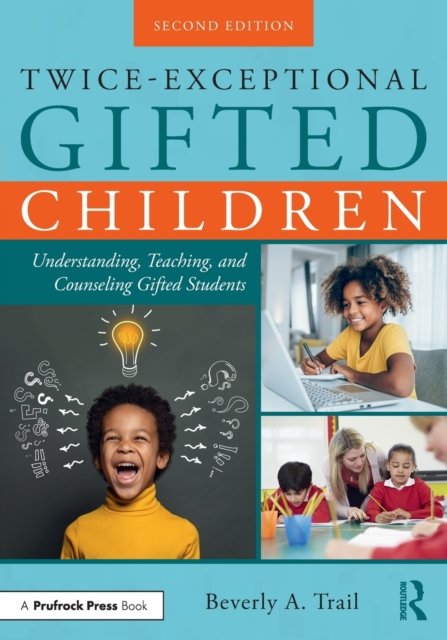
Gifted education is a topic that encompasses a wide range of issues and considerations. From the unique needs of twice-exceptional students to the underrepresentation of minority groups in gifted programs, there are many factors at play in ensuring that gifted learners receive appropriate support and opportunities for growth. One important group within the realm of…
-
“Maximize Returns and Minimize Risk with Sector Rotation Strategies”
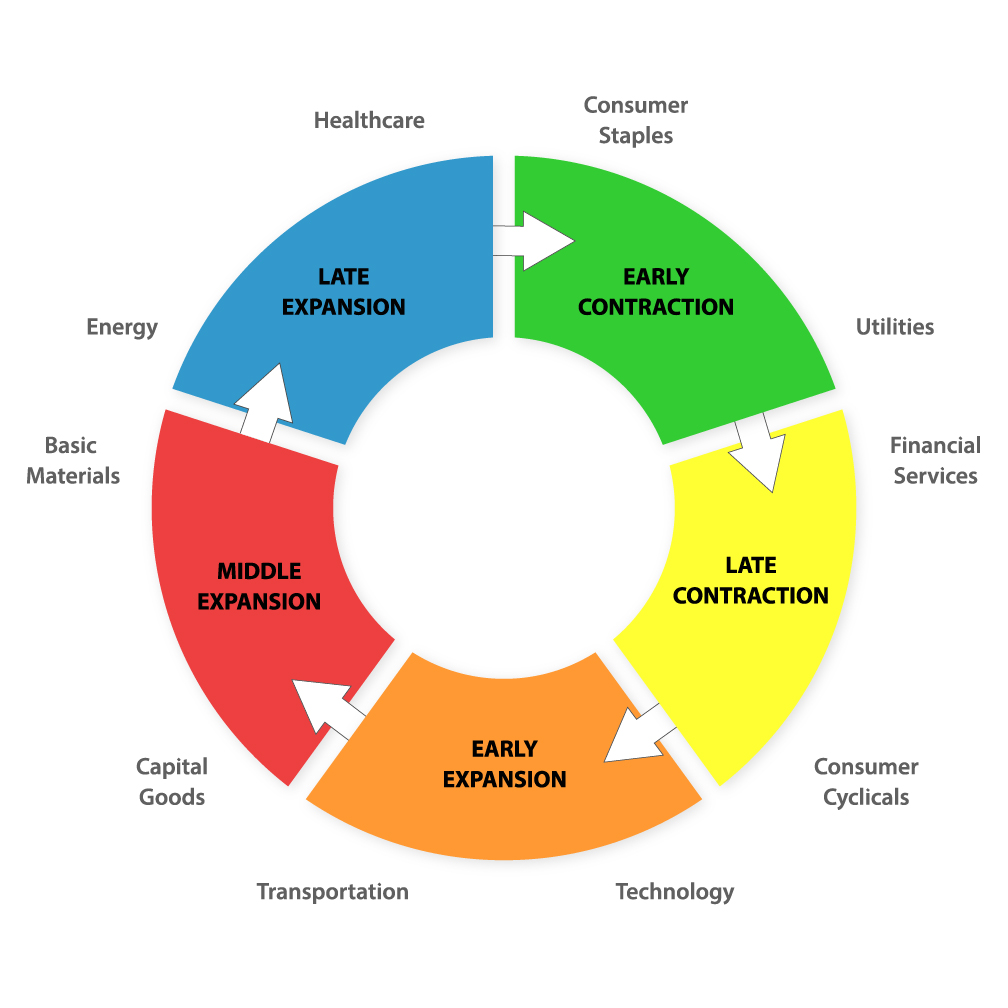
Sector rotation is a popular investment strategy that involves shifting investments from one sector of the economy to another in order to take advantage of changing market conditions. This approach aims to capitalize on sectors that are expected to outperform while avoiding those that may underperform. The concept behind sector rotation is based on the…
-
“Nurturing Learning and Collaboration: Mastering the Art of Group Discussions”
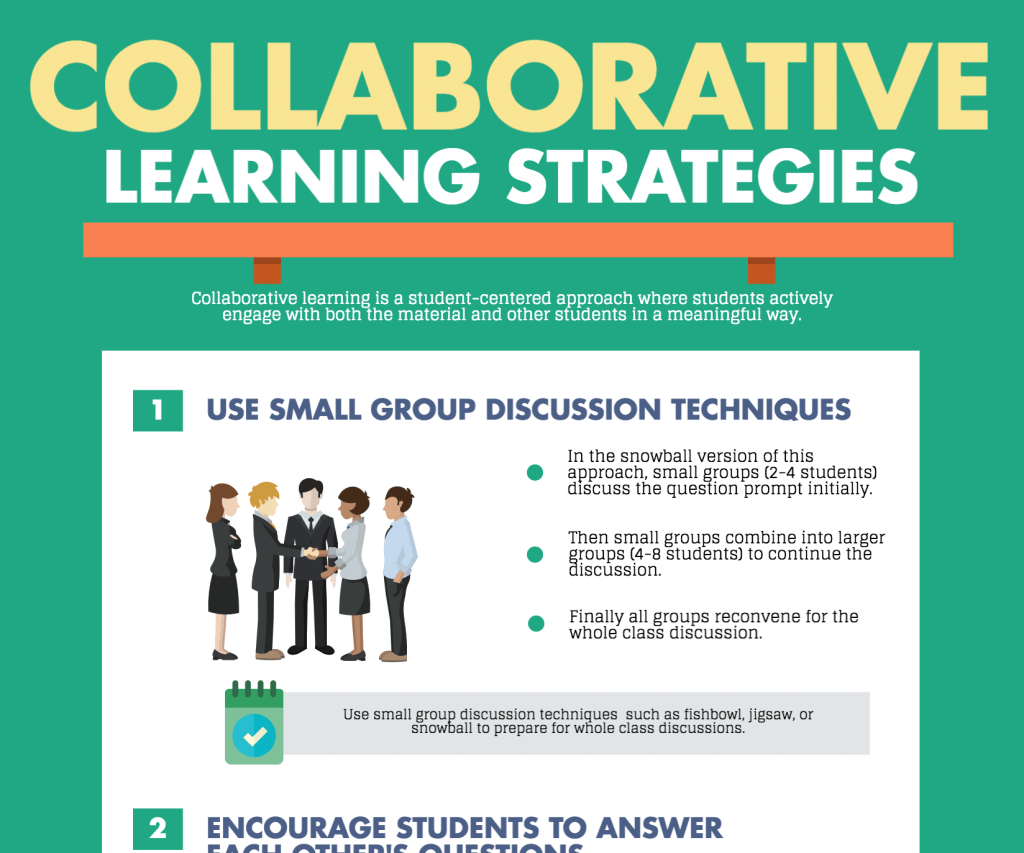
Facilitating Group Discussions: Nurturing Learning and Collaboration Introduction: In alternative schooling and education, group discussions play a crucial role in fostering active learning, critical thinking, and collaboration among students. Unlike traditional lecture-based classrooms, where the teacher is the sole source of knowledge, group discussions create a dynamic environment where ideas are shared and diverse perspectives…
-
“Project-Based Learning: Engaging, Collaborative, and Critical for Student Success!”
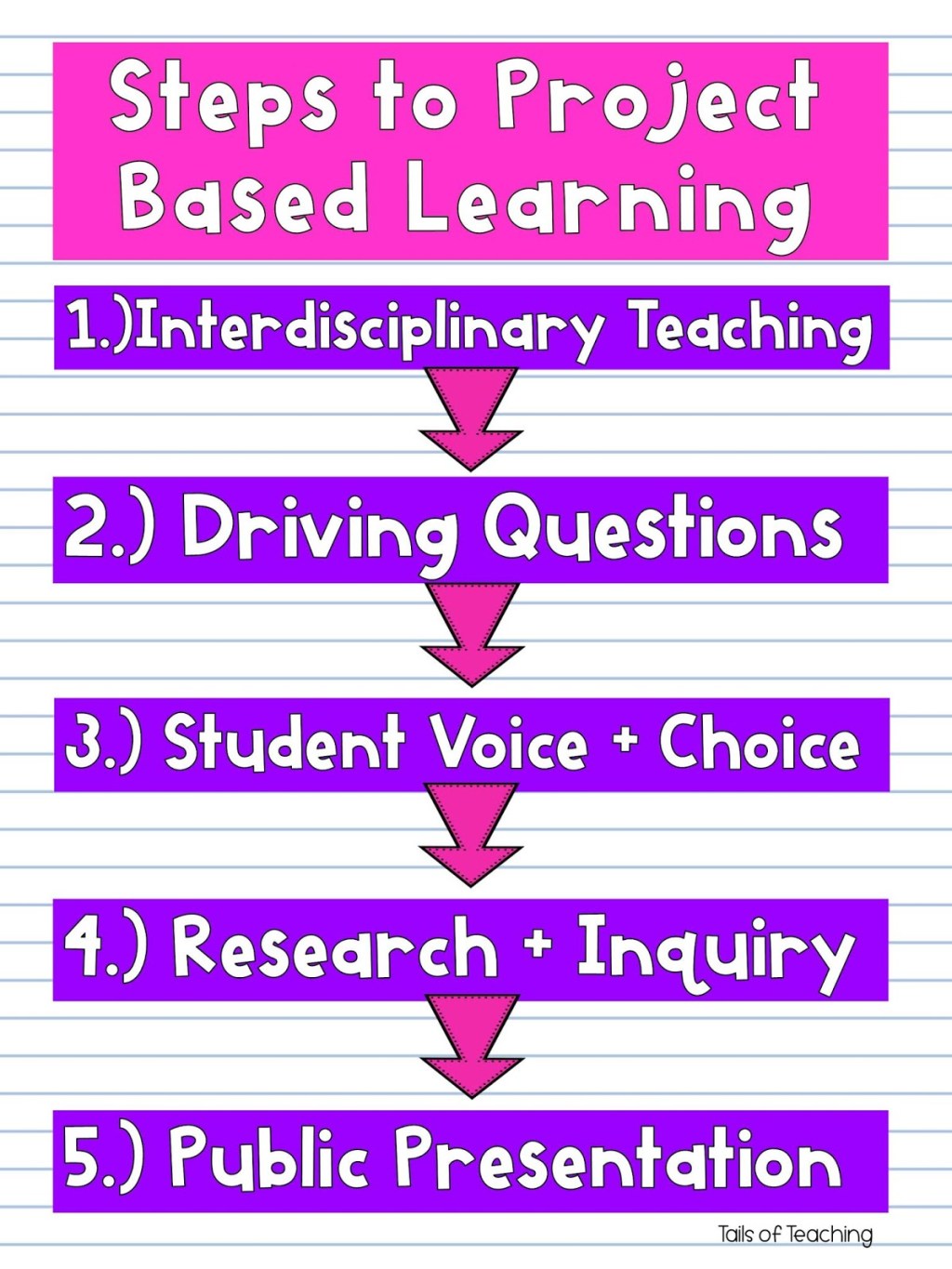
Project-based learning (PBL) is an innovative approach to education that emphasizes student engagement, collaboration, and critical thinking skills. In PBL, students work on projects that are relevant to real-world problems or scenarios. One of the key benefits of project-based learning is its ability to enhance students’ understanding and retention of knowledge. By actively participating in…
-
Camila Cabello: Inspiring Alternative Education Paths

Camila Cabello is a talented singer, songwriter, and actress who gained fame as a member of the girl group Fifth Harmony before embarking on a successful solo career. Aside from her musical talents, Camila has also been an advocate for alternative schooling and education. In this article, we will explore the top 10 reasons why…
-
“Fjords: A Transformative Learning Adventure”

Fjords: A Unique Learning Experience Today, we have the pleasure of speaking with a group of students who recently embarked on an alternative learning adventure. They spent a month exploring the breathtaking fjords of Norway as part of their education. Fjords are narrow inlets created by glacial erosion, and they offer not only stunning natural…
-
Microschooling for Children with Special Needs: Personalized Education, Outdoor Adventures, and Project-Based Learning
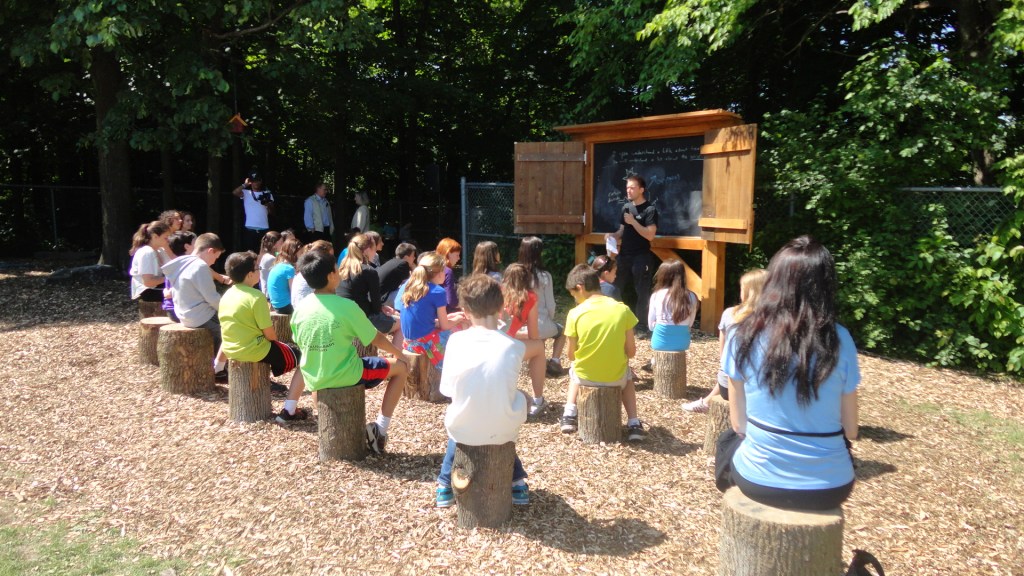
Microschooling for children with special needs: Microschooling is an innovative approach to education that offers a personalized and flexible learning experience for students. This model has gained popularity in recent years, and it can be particularly beneficial for children with special needs. One of the key advantages of microschooling for children with special needs is…
-
Nurturing Holistic Development: Exploring Alternative Grading Systems and Reporting Methods

Alternative Grading Systems and Reporting Methods: Nurturing Holistic Development In the traditional education system, grades are often considered the sole measure of a student’s abilities and achievements. However, alternative schooling and education practices have emerged that challenge this narrow approach to assessment. These innovative approaches recognize the need for a more holistic evaluation of students’…
-
Subscribe
Subscribed
Already have a WordPress.com account? Log in now.
 Alternative Amie