-
Incorporating Life Skills: Key to Student Success
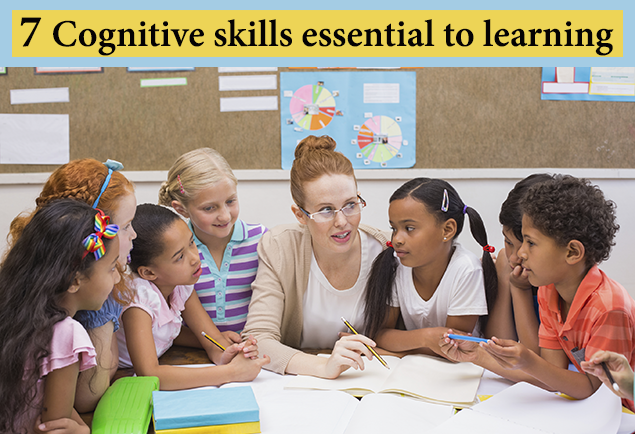
Incorporating life skills into the curriculum is essential for preparing students for success beyond the classroom. While academic knowledge is important, practical skills such as financial literacy, communication, time management, and problem-solving are equally crucial. By integrating these life skills into the curriculum, students can develop a well-rounded skill set that will serve them in…
-
European Schools: Pioneering a Well-Rounded Educational Experience

When it comes to education, European schools offer a unique and diverse approach that sets them apart from traditional educational systems. With a focus on holistic development, creativity, critical thinking, and practical skills, European schools provide students with a well-rounded education that prepares them for the challenges of the 21st century. One of the key…
-
Unlocking Potential: The Power of Reflective Journals in Alternative Education

Reflective journals are a powerful tool that can be used in alternative schooling and education to enhance learning, self-awareness, critical thinking, and personal growth. In this post, we will explore what reflective journals are, their benefits, how to create them, and some tips for effectively using them in an alternative educational setting. ### What is…
-
Embracing Challenges, Rural Schools Shine as Educational Gems
Rural schools play a vital role in shaping the educational landscape, providing unique opportunities and challenges that set them apart from urban or suburban schools. These schools are often smaller in size, serving tight-knit communities where students, teachers, and families form strong bonds that can last a lifetime. The close-knit environment of rural schools fosters…
-
Embracing Multiage Classrooms: A Path to Personalized Learning and Growth

In traditional education systems, students are typically grouped together based on their age. However, an alternative approach gaining popularity in recent years is the concept of multiage classrooms. Multiage classrooms bring together students of different ages and grade levels, allowing them to learn and grow alongside each other in a supportive and collaborative environment. One…
-
Empowering Success: The Crucial Role of Emotional Intelligence in Alternative Education
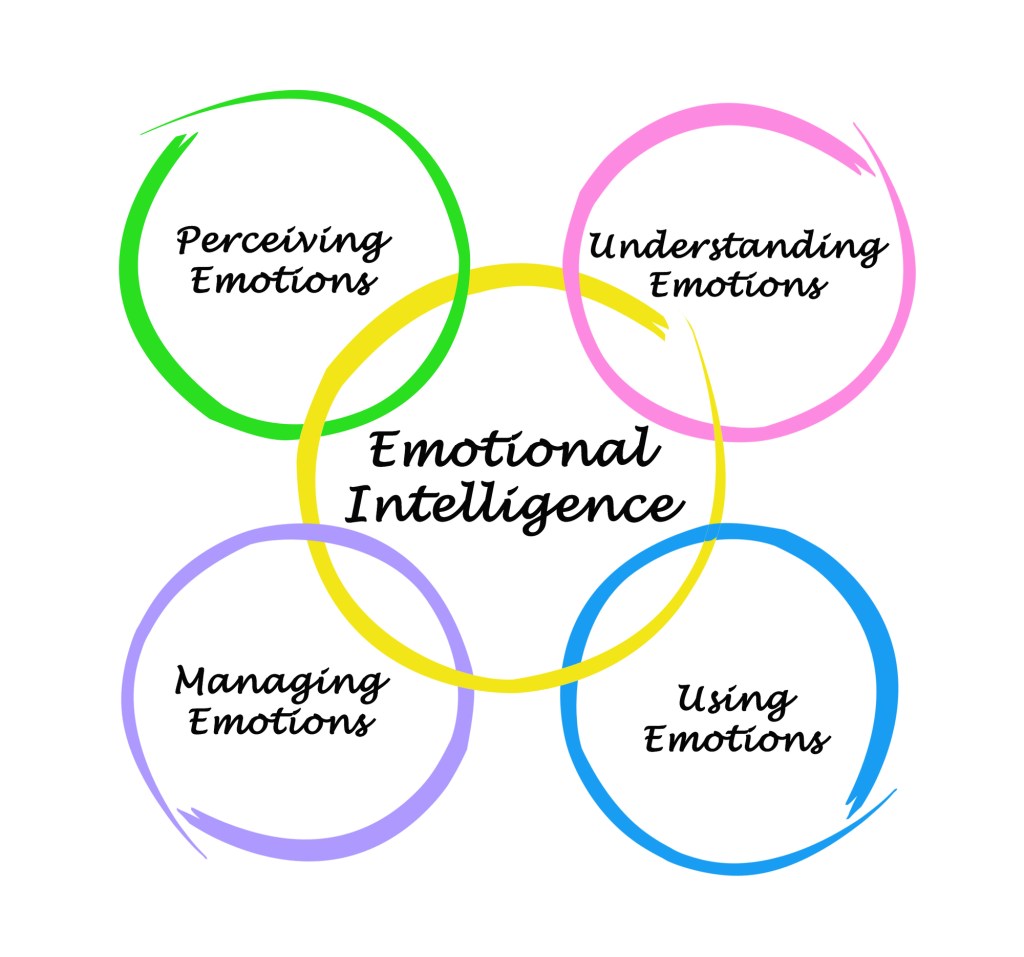
Emotional intelligence is a critical skill that plays a significant role in an individual’s personal and professional success. Unlike traditional forms of intelligence, emotional intelligence focuses on understanding and managing emotions effectively. It encompasses the ability to recognize, understand, and regulate one’s own emotions while also being attuned to the emotions of others. Developing emotional…
-
“Embracing Flexibility: The Key Benefits of Flexible Scheduling in Education”

Flexible scheduling has become a popular choice in the realm of education, offering students and teachers alike the opportunity to tailor their learning experience to better suit their needs. This approach allows for a more customized and individualized educational journey, providing greater flexibility and autonomy for all involved. One of the key advantages of flexible…
-
Revolutionizing Education: The Future of Online Learning

Gamification in online learning has been a popular trend in recent years, as educators and instructional designers look for innovative ways to engage students in virtual environments. By incorporating game elements such as points, badges, leaderboards, and challenges into the learning process, gamification aims to make education more interactive and enjoyable. One of the key…
-
“Explore Unique Homeschooling Co-ops for Specialized Learning Experiences!”

Are you a homeschooling parent looking to provide your child with a unique and specialized learning experience? Consider joining a homeschooling co-op that focuses on nature-based learning. These co-ops often take place in outdoor settings like parks or nature reserves, allowing children to learn about the environment through hands-on experiences. Activities may include hiking, identifying…
-
Unlocking Creativity and Curiosity: The Reggio Emilia Approach Revolutionizing Early Childhood Education

The Reggio Emilia approach is a unique and innovative educational philosophy that originated in the town of Reggio Emilia, Italy, after World War II. This approach to education focuses on fostering children’s natural curiosity, creativity, and social development through child-led learning experiences. It is widely regarded as one of the most effective models for early…
-
Subscribe
Subscribed
Already have a WordPress.com account? Log in now.
 Alternative Amie