-
Empowering Education Through Diverse Mentorship Programs
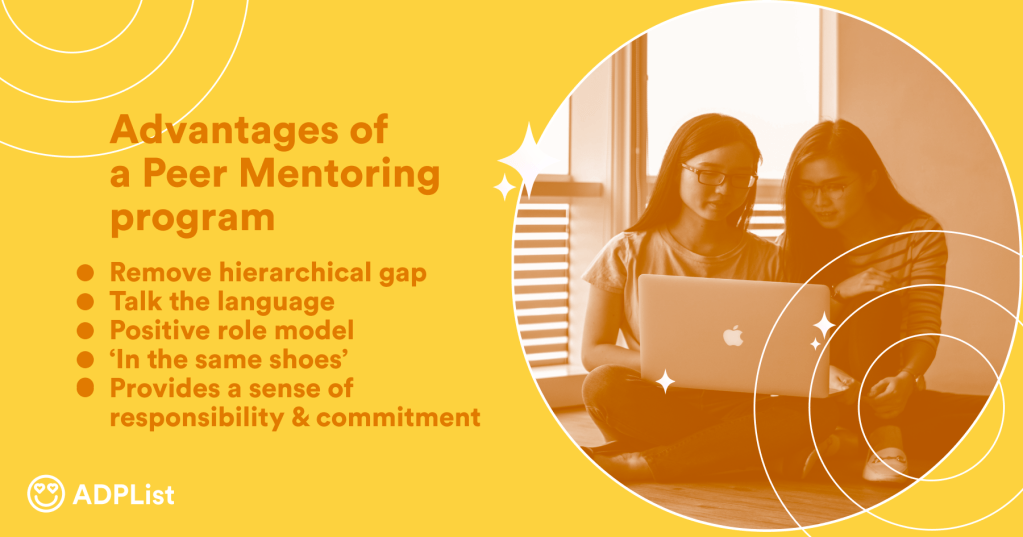
Peer mentorship programs have been gaining popularity across educational settings as a powerful tool for supporting students in various ways. These initiatives involve pairing more experienced students with those who may benefit from guidance, support, and encouragement. Peer mentors can offer valuable insights, share experiences, provide emotional support, and help mentees navigate academic challenges. Mentorship…
-
Unlocking Educational Success: The Power of Data in Alternative Schooling

Data collection and analysis play a crucial role in the field of education, especially in alternative schooling settings. By collecting and analyzing data, educators can make informed decisions about curriculum development, student progress, and overall program effectiveness. Data collection in alternative schooling often involves gathering information on various aspects of the educational experience. This can…
-
“From Oprah to LeBron: Celebrities Making Waves in Alternative Education Advocacy”

Oprah Winfrey is a household name known for her impactful work in media, philanthropy, and education. Born into poverty in rural Mississippi, Oprah overcame numerous challenges to become one of the most influential women in the world. Her dedication to empowering others through storytelling and education has left a lasting impact on society. As the…
-
Unlocking the Benefits: The Rise of Dual Language Immersion Programs
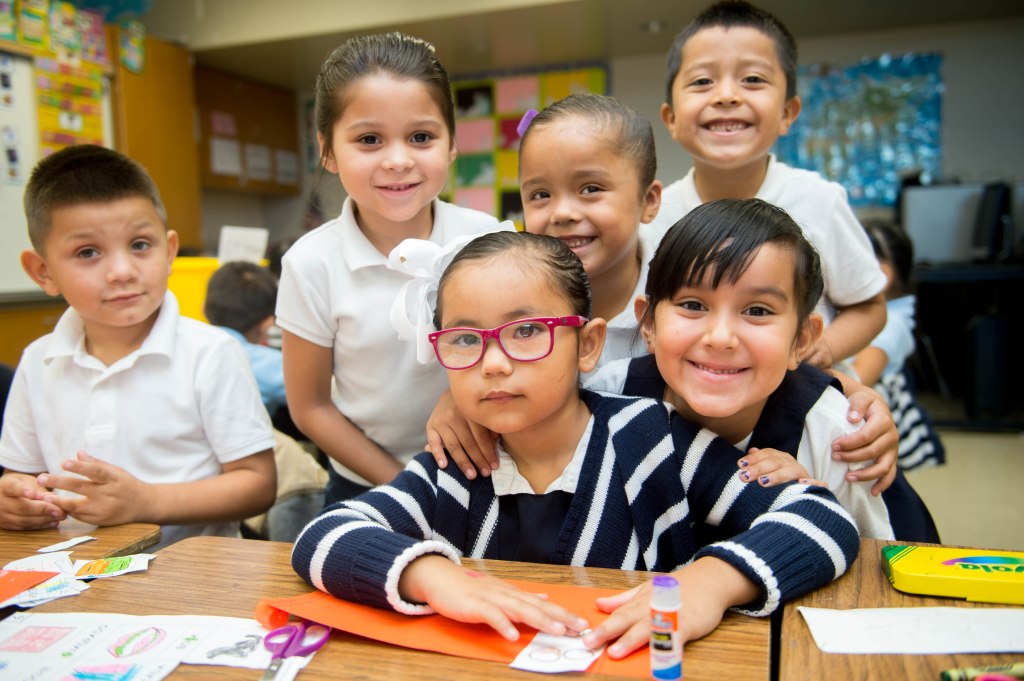
Dual language immersion programs have gained popularity in recent years as more and more parents seek out innovative educational opportunities for their children. These programs offer a unique approach to learning that allows students to become bilingual and biliterate while receiving a high-quality education. In a dual language immersion program, students are taught academic content…
-
“Budgeting Tips for Fun Family Vacations Without Breaking the Bank”

When it comes to budgeting for family vacations or outings, there are several key strategies that can help ensure you have a fun and memorable experience without breaking the bank. First and foremost, it’s important to establish a realistic budget based on your financial situation. Take into account all expenses including transportation, accommodation, food, activities,…
-
Empowering Education: The Power of Student-Led Discussions

Student-led discussions are a powerful tool in alternative schooling and education settings. Traditional education often relies on lectures, textbooks, and teacher-centered activities to impart knowledge to students. However, student-led discussions offer a more interactive and engaging way for students to learn and explore topics in depth. One of the main benefits of student-led discussions is…
-
Unschooling: Empowering Education Beyond the Classroom
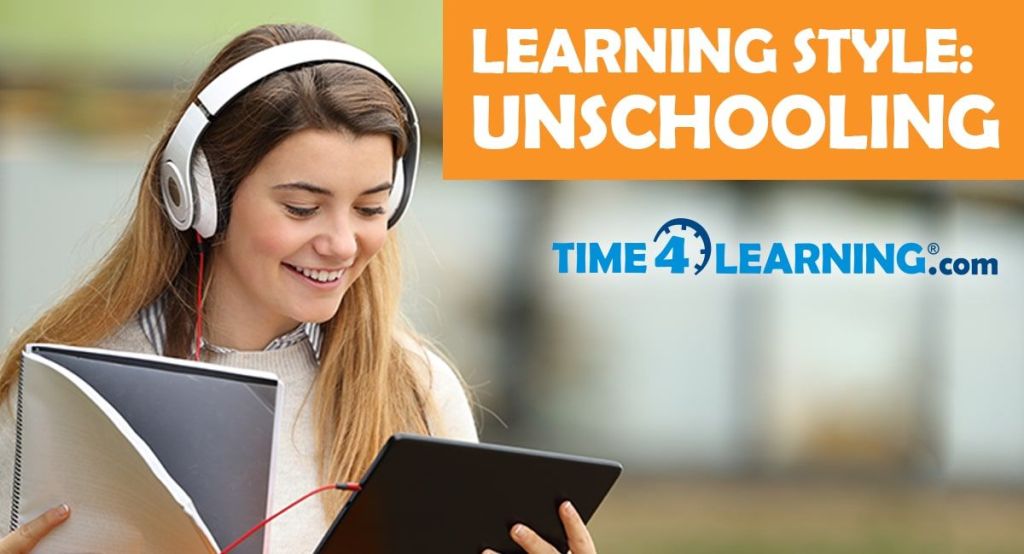
Unschooling is a unique approach to education that emphasizes self-directed learning and real-life experiences over traditional classroom-based instruction. This method can be particularly beneficial for children with learning disabilities, as it allows them to learn at their own pace and in ways that cater to their individual needs. Unschooling provides the flexibility needed to adapt…
-
Empowering Bilingual Education with Tech: A Multilingual Revolution

In the realm of education, bilingual programs have become increasingly popular as a means to support students who speak languages other than English at home. Integrating technology into these bilingual education settings can offer numerous benefits and enhance the learning experience for students. By leveraging digital tools and resources, educators can create engaging and interactive…
-
Exploring the Unique Sudbury Model: Fostering Autonomy, Diversity, and Tech-Savvy Learners

The Sudbury model of education is a unique approach that focuses on student-directed learning, where children have the freedom to explore their interests and learn at their own pace. This model emphasizes autonomy, responsibility, and democracy within the school community. Technology plays a significant role in Sudbury schools by facilitating research, communication, and project-based learning.…
-
Dwayne “The Rock” Johnson: From Wrestling Ring to Hollywood Stardom
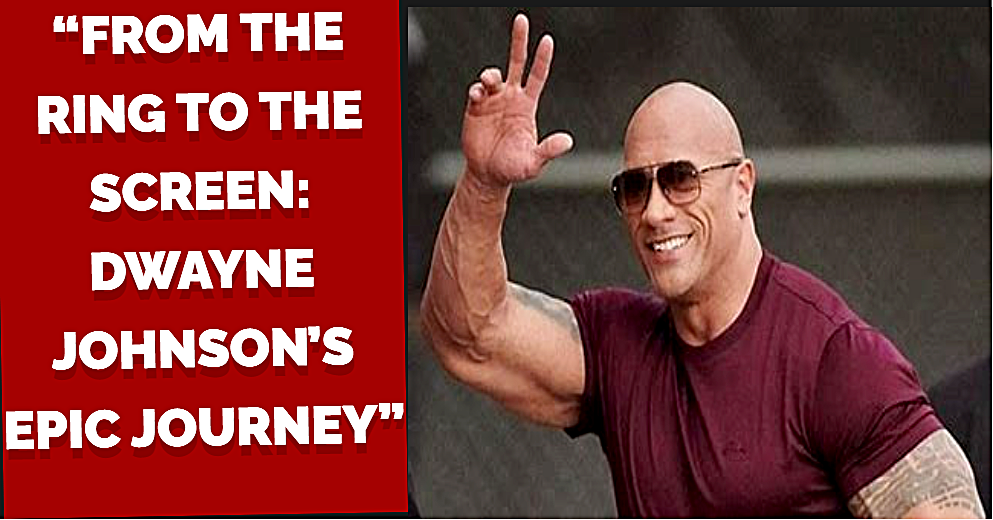
Dwayne “The Rock” Johnson is a household name known for his impressive career in professional wrestling, blockbuster movies, and overall charisma. However, what many people may not know is the story behind his journey to success and how alternative schooling played a pivotal role in shaping his future. Born on May 2, 1972, in Hayward,…
-
Subscribe
Subscribed
Already have a WordPress.com account? Log in now.
 Alternative Amie