-
Empowering the Next Generation: Alternative Education Emphasizes Financial Planning for Future Success

Financial planning for the future is a crucial aspect of preparing for one’s long-term well-being and security. In the realm of alternative schooling and education, teaching students about financial literacy and planning is a valuable skill that can empower them to make informed decisions and take control of their economic futures. As educators, parents, or…
-
Optimizing IEPs for Student Success: Innovative Strategies and Best Practices

Individualized Education Programs (IEPs) play a crucial role in supporting students with diverse needs in the educational system. These personalized plans outline specific goals, accommodations, and services tailored to meet each student’s unique learning requirements. In recent years, there has been a shift towards incorporating various best practices and innovative approaches to enhance the effectiveness…
-
Empowering Bilingual Students: The Key to Academic and Emotional Success
As educators and parents, we often focus on academics when it comes to supporting bilingual students in their educational journey. While academic success is important, we must not overlook the significance of providing social-emotional support for these students as well. Navigating a new language and culture can be overwhelming for bilingual students, and having strong…
-
Unleashing the Power of Cooperative Learning: Strategies and Benefits

Cooperative learning is a powerful educational approach that involves students working together in groups to achieve a common goal or complete a task. This methodology emphasizes collaboration, communication, and mutual support among students, fostering an environment where everyone can succeed and learn from one another. In this article, we will explore various aspects of cooperative…
-
Empowering Education: The Impact of Formative Feedback in Alternative Schools

Formative feedback is an essential component of the educational process, especially in alternative schooling and education settings. Unlike traditional grading systems that focus solely on evaluating students’ performance at the end of a learning period, formative feedback emphasizes continuous assessment and improvement throughout the learning journey. One of the key benefits of formative feedback is…
-
Empowering Student Engagement Through Innovative Teaching Strategies

Student Engagement: Student engagement is crucial for effective learning experiences. Engaged students are more likely to be motivated, focused, and invested in their education. To promote student engagement, educators can incorporate interactive activities, real-world examples, hands-on projects, and opportunities for student choice and voice in the classroom. By creating a stimulating and inclusive learning environment,…
-
Empowering Students Through Peer Assessment in Project-Based Learning
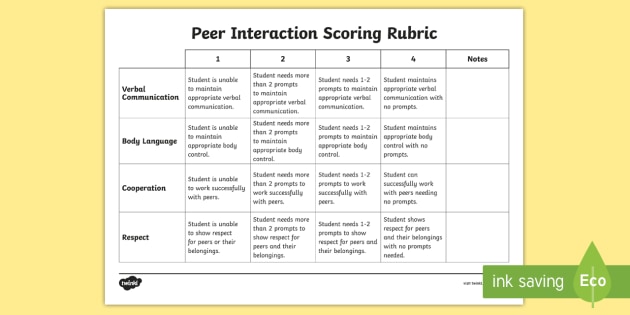
Peer assessment is a valuable tool in project-based learning that can enhance students’ understanding of the material, improve their critical thinking skills, and foster collaboration among peers. By involving students in the evaluation process, peer assessment empowers them to take ownership of their learning and provides them with valuable feedback from multiple perspectives. Here are…
-
8 Reasons Kristen Stewart is a Role Model for Alternative Education Paths

Kristen Stewart is a talented actress known for her roles in various films, but she’s also an advocate for alternative schooling and education. Here are eight reasons why Kristen Stewart is a great role model for those who choose non-traditional paths in their educational journey. 1. **Embracing Individuality**: Kristen Stewart has always been unapologetically herself,…
-
Community Collaborations: Fueling Alternative School Success

Community partnerships play a crucial role in alternative schooling and education. By collaborating with local organizations, businesses, and individuals, alternative schools can provide unique opportunities for their students to learn and grow outside of traditional classroom settings. These partnerships not only enrich the educational experience but also help students develop important life skills and gain…
-
Exploring the World of Alternative Education: A Path to Personalized Learning Success

In the realm of education, there are various avenues and opportunities for students to explore and excel beyond the traditional classroom setting. Alternative schooling options provide a unique approach to learning that caters to individual needs and preferences, offering a wide array of choices that can enhance a student’s educational journey. One important aspect of…
-
Subscribe
Subscribed
Already have a WordPress.com account? Log in now.
 Alternative Amie