-
The Rise of Interest-Led Learning: Unschooling, Worldschooling, and Beyond

Interest-led learning, also known as self-directed education, project-based learning, or unschooling, is a growing trend in the field of education. This approach emphasizes allowing children to pursue their passions and interests while providing support and resources for their learning journey. Unschooling philosophies focus on creating a natural learning environment where children can explore, discover, and…
-
Cole Sprouse: A Trailblazer in Hollywood and Education

Cole Sprouse is a name that has been synonymous with the entertainment industry for over two decades. From his early days as a child actor to his current success as a prominent figure in Hollywood, Cole’s journey is one of inspiration and dedication. Born on August 4, 1992, in Arezzo, Tuscany, Italy, Cole Mitchell Sprouse…
-
Unlocking Success: The Rise of Apprenticeship Programs in Modern Education
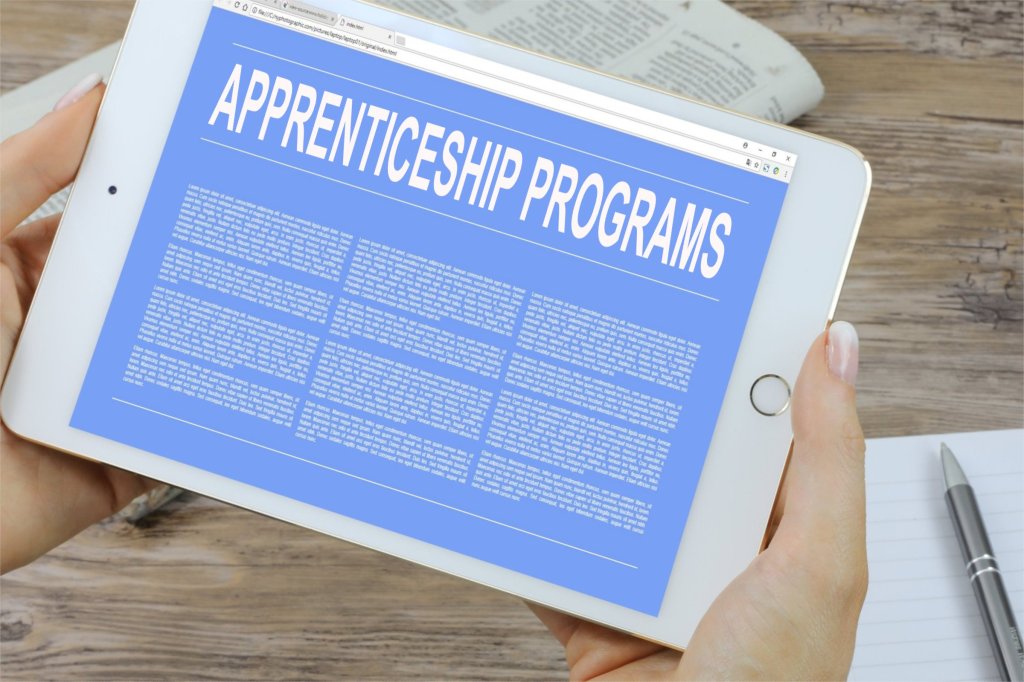
Mentorship programs, trade skills training, and apprenticeships have become increasingly popular in recent years as alternatives to traditional education paths. These programs offer individuals the opportunity to learn valuable skills through hands-on experience, guidance from industry professionals, and real-world applications. In this article, we will explore the various aspects of apprenticeship programs and their benefits…
-
“Level Up: The Power of Gamification in Blended Learning for Student Engagement and Success”
Gamification in blended learning is a powerful tool that educators can utilize to increase student engagement and motivation. By incorporating elements of game design, such as points, badges, leaderboards, and rewards, teachers can create a more interactive and enjoyable learning experience for their students. Gamification not only makes learning fun but also helps students stay…
-
Unleash the Power of Scholarships: Your Ticket to Financial Freedom!

Are you a broke student struggling to pay for your education? Are you tired of eating ramen noodles every night and living off of instant coffee just to save some extra pennies? Well, fear not, my fellow penny-pinching scholars, because scholarships are here to save the day! Scholarships are like the golden tickets of education…
-
Empowering Education: Inside the Unique World of Sudbury Schools

Sudbury schools, based on the Sudbury Valley School model, are known for their unique approach to education that empowers students to take control of their learning and decision-making processes. Technology in Sudbury schools plays a significant role in enhancing student autonomy and facilitating self-directed learning. With the increasing integration of technology in education, Sudbury schools…
-
Exploring the Great Outdoors: Nature Study Enhances Alternative Education

Nature study is a valuable and enriching component of alternative education, providing students with unique opportunities for hands-on learning and connection to the natural world. By immersing themselves in outdoor environments, students can engage all their senses, develop critical thinking skills, and foster a deep appreciation for the environment. One of the primary benefits of…
-
Unlocking the Power of Internships: A Comprehensive Guide for Students

Internships are a valuable opportunity for students to gain hands-on experience in their field of study, develop professional skills, and build connections in the industry. Whether you’re considering an internship as part of your alternative education path or looking to supplement your traditional schooling with practical experience, internships can be a transformative learning experience. In…
-
Empowering Education: The Rise of Social Justice Microschools

Social justice-oriented microschools are a growing trend in the field of education, offering innovative and inclusive learning environments for students. These schools prioritize equity, diversity, and inclusivity while providing personalized and student-centered education. Here are some key features of social justice-oriented microschools that make them unique and effective: 1. Small class sizes: One of the…
-
Alternative Education Approaches Revolutionize Learning Paradigms

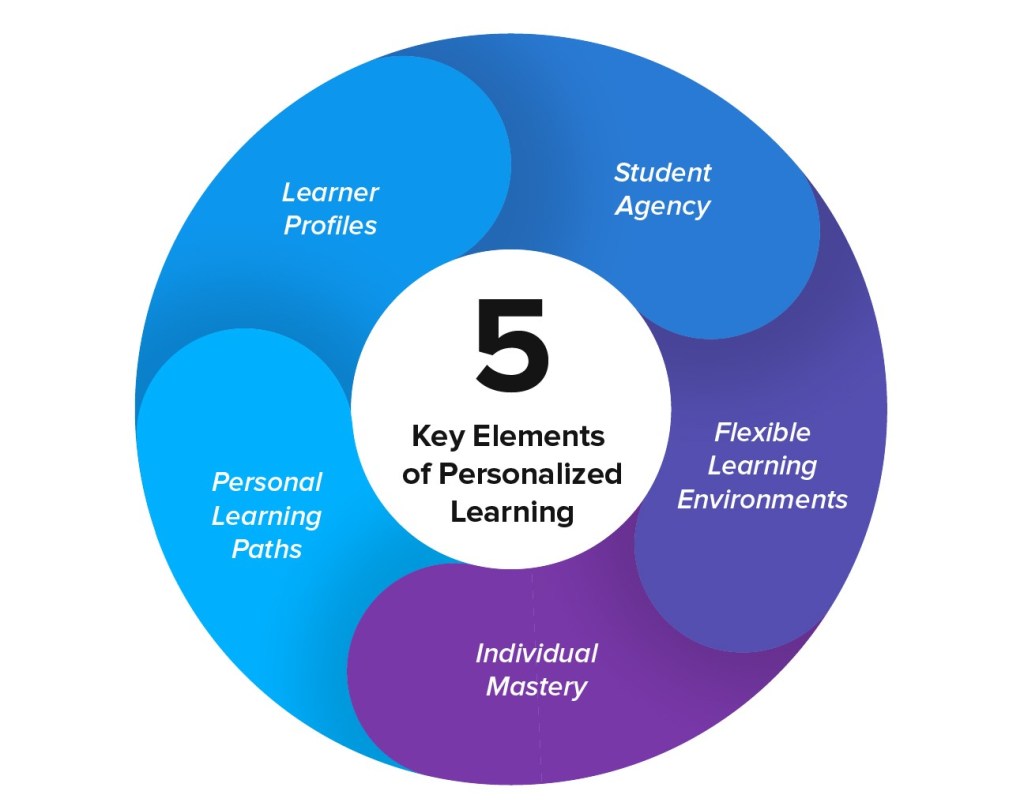
Self-directed learning, project-based learning, and the unschooling philosophy have gained popularity in recent years as alternative education approaches that prioritize personalized learning experiences for students. Self-directed learning allows students to take control of their education by choosing what, when, and how they learn. This approach encourages autonomy, motivation, and a deeper understanding of subjects as…
-
Subscribe
Subscribed
Already have a WordPress.com account? Log in now.
 Alternative Amie