Category: Small schools
-
Flexible Scheduling: Empowering Students for Success

Flexible scheduling is a key component of alternative schooling and education that offers students the opportunity to take control of their learning experience. This approach to scheduling allows for personalized learning, increased student engagement, and improved overall academic performance. One of the primary benefits of flexible scheduling is the ability for students to tailor their…
-
“Embracing Innovation: The Rise of Alternative Education Trends”

In recent years, there has been a growing trend in alternative education approaches that prioritize unique and innovative methods to cater to diverse student needs. One such approach gaining popularity is the concept of outdoor classrooms. These settings provide students with the opportunity to learn amidst nature, fostering a deep connection with the environment while…
-
Embracing Diversity and Inclusion: The Rise of Alternative Schools

Alternative schools and education systems are increasingly gaining popularity as parents, students, and educators seek diverse and inclusive learning environments that cater to individual needs and preferences. One key aspect of alternative schooling that sets it apart from traditional educational settings is the emphasis on fostering an inclusive and supportive atmosphere for all members of…
-
Empowering Education: The Rise of Personalized Learning

Personalized learning experiences have gained popularity in recent years as educators and parents seek alternative approaches to education that cater to individual needs and interests. This approach shifts away from traditional one-size-fits-all methods of teaching and instead focuses on tailoring the learning experience to each student’s unique strengths, weaknesses, and preferences. One of the key…
-
Empowering Student-Led Initiatives in Alternative Education
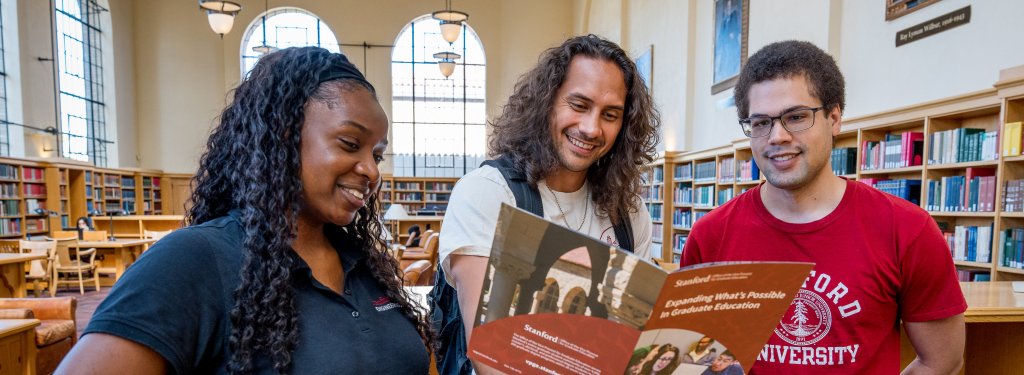
Alternative schooling and education have been gaining popularity in recent years as more students seek out unconventional ways to learn and grow. One of the most exciting aspects of alternative education is the emphasis on student-led initiatives, where learners take charge of their own education and create meaningful projects that benefit themselves and their communities.…
-
Small Schools, Big Impact: Innovative Approaches to Education
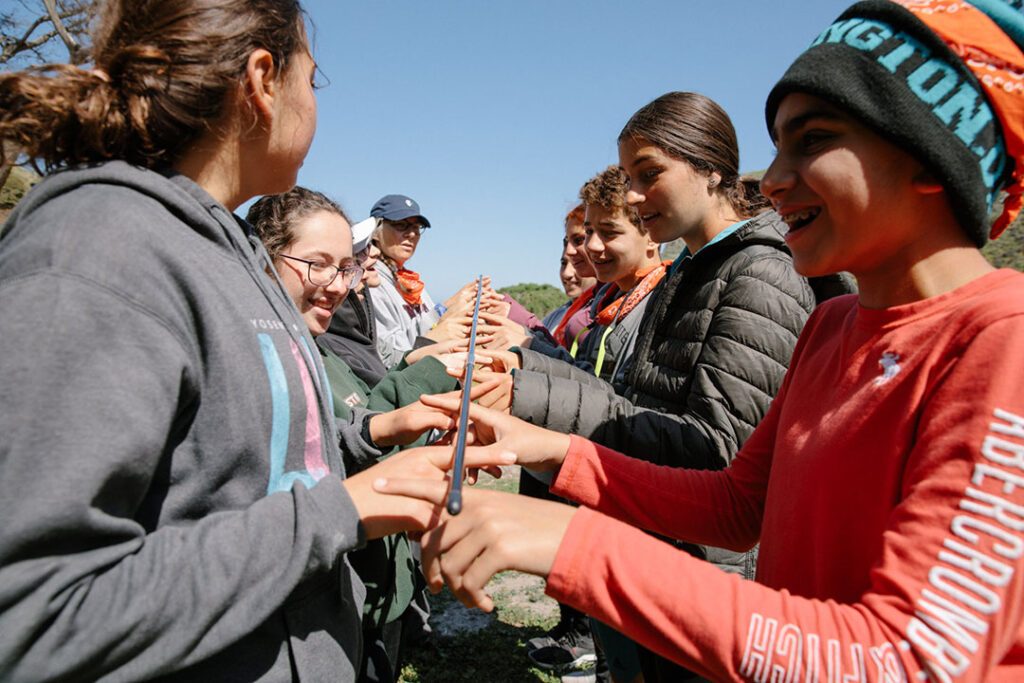
Outdoor Education Programs: Outdoor education programs are a valuable way for small schools to provide hands-on learning experiences for students. These programs often take students out of the traditional classroom setting and into nature, where they can learn about the environment, teamwork, leadership, and problem-solving skills. Outdoor education programs may include activities such as hiking,…
-
Empowering Students Through Budgeting: A Key Skill for Success

Budgeting is a crucial skill that everyone should learn, regardless of their age or background. It involves managing your finances effectively to ensure you have enough money for all your needs and goals. Teaching budgeting in alternative schooling and education settings can empower students to become financially savvy individuals who are better equipped to navigate…
-
“Small Schools Embrace Innovative Strategies for Student Success”

Small schools have unique challenges and opportunities when it comes to education. One innovative approach that has gained popularity in small school settings is the implementation of multi-age classrooms. By combining students of different ages and grade levels in the same classroom, teachers can create a more personalized learning experience for each student. Multi-age classrooms…
-
Unlocking Success: The Power of Experiential Learning

Experiential learning is a unique educational approach that emphasizes hands-on, real-world experiences as a primary method of learning. Unlike traditional classroom-based education, experiential learning focuses on practical application and reflection to develop skills and knowledge. This innovative approach has gained popularity in recent years for its effectiveness in engaging students, fostering critical thinking, and preparing…
-
Innovative Education Approaches: Nurturing Creativity and Independence for Students

Project-based learning is a dynamic teaching method that allows students to engage in real-world projects and activities, fostering critical thinking, problem-solving skills, and creativity. Montessori education focuses on individualized instruction, hands-on learning materials, and mixed-age classrooms to promote independence and self-directed learning. Waldorf education emphasizes holistic development through arts integration, nature connection, and a focus…
 Alternative Amie