Category: Neurodiversity
-
Unlocking Opportunities: Funding Options for Vocational Rehabilitation Services

Vocational rehabilitation services play a vital role in helping individuals with disabilities or impairments to gain the necessary skills and support needed to be successful in the workforce. These services aim to provide personalized assistance, training, and resources that can empower individuals to overcome their challenges and achieve sustainable employment. However, accessing vocational rehabilitation services…
-
Empowering Neurodiverse Learners: Effective Strategies for Differentiated Instruction
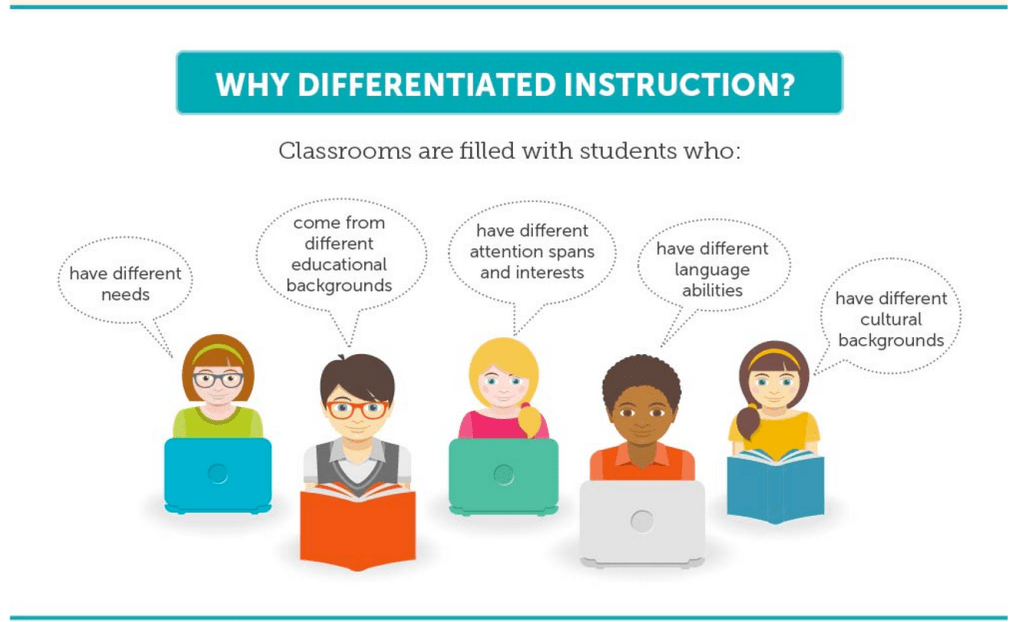
Differentiated Instruction Strategies for Neurodiverse Learners Introduction: In today’s diverse classrooms, it is essential to recognize and address the unique learning needs of neurodiverse learners. Neurodiversity refers to the natural variation in human neurological traits, including individuals with conditions such as autism spectrum disorder (ASD), attention deficit hyperactivity disorder (ADHD), dyslexia, and other learning differences.…
-
“Embracing Neurodiversity: From Urban Centers to Remote Landscapes, Inclusion Knows No Boundaries”
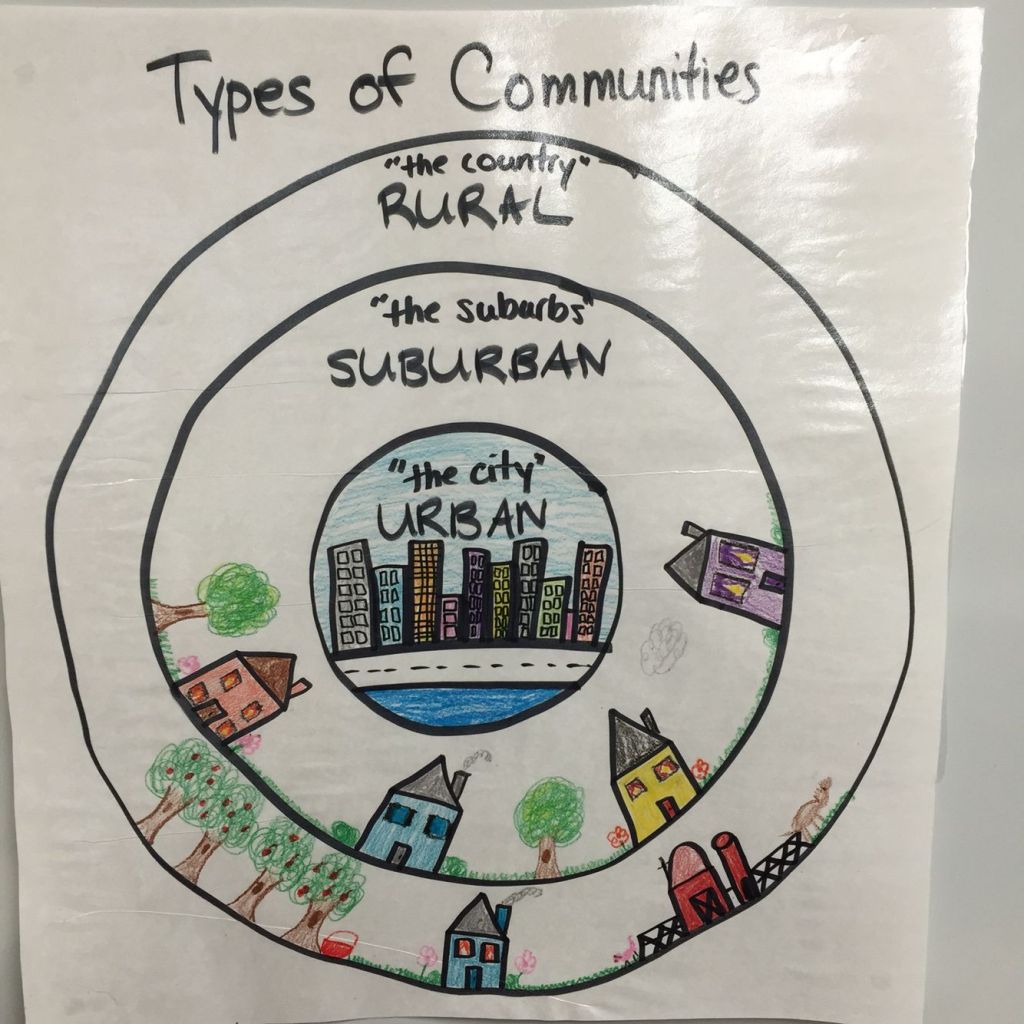
Neurodiversity in Different Environments Introduction: Neurodiversity refers to the natural variation in neurological conditions and brain functioning among individuals. It recognizes that neurodevelopmental disorders, such as autism spectrum disorder (ASD), attention deficit hyperactivity disorder (ADHD), dyslexia, and others, are simply different ways of being rather than deficits to be cured or fixed. This concept emphasizes…
-
Unlocking the Power of Sensory Processing: Supporting Children’s Unique Needs

Sensory Processing Differences: Understanding and Supporting Children’s Unique Needs Introduction: In the world of education, it is crucial to recognize that each child possesses unique strengths and challenges. One aspect that significantly impacts a child’s ability to learn and thrive in educational settings is sensory processing differences. Sensory processing refers to how our brains receive,…
-
Saving Strategies for Alternative Schooling and Education: Making Your Educational Journey Sustainable

Saving Strategies for Alternative Schooling and Education Introduction: Alternative schooling and education systems have gained popularity over the years, offering unique approaches to learning that cater to individual needs and interests. However, pursuing alternative education may come with its own set of financial challenges. Whether you are a parent, student, or educator involved in alternative…
-
Unlocking the Potential: A Comprehensive Guide to Giftedness and Twice-Exceptional Learners

Giftedness and Twice-Exceptional Learners: A Comprehensive Guide Introduction: In the field of education, there is a diverse range of learners with unique strengths and challenges. Gifted students are often characterized by their exceptional abilities in one or more domains, while twice-exceptional (2e) learners demonstrate both giftedness and a learning difference or disability. Understanding the characteristics,…
-
Unlocking Potential: Alternative Assessment Methods for Neurodiverse Learners

Alternative Assessment Methods for Neurodiverse Learners As educators, it is essential to acknowledge and cater to the diverse needs of our students. Neurodiverse learners, including those with conditions such as autism spectrum disorder (ASD), attention deficit hyperactivity disorder (ADHD), dyslexia, and other learning differences, may face unique challenges in traditional assessment settings. These challenges can…
-
Embracing Neurodiversity: Redefining Intelligence and Success in Education

Neurodivergent Perspectives on Intelligence and Success In traditional education systems, the concept of intelligence is often narrowly defined, leaving little room for individuals who think differently. However, alternative schooling and education approaches aim to challenge these mainstream notions by embracing neurodiversity and recognizing the unique strengths and abilities of all students. Neurodivergent individuals encompass a…
-
“Unlocking Success: The Power of Strong Social Communication Skills in the Digital Age”
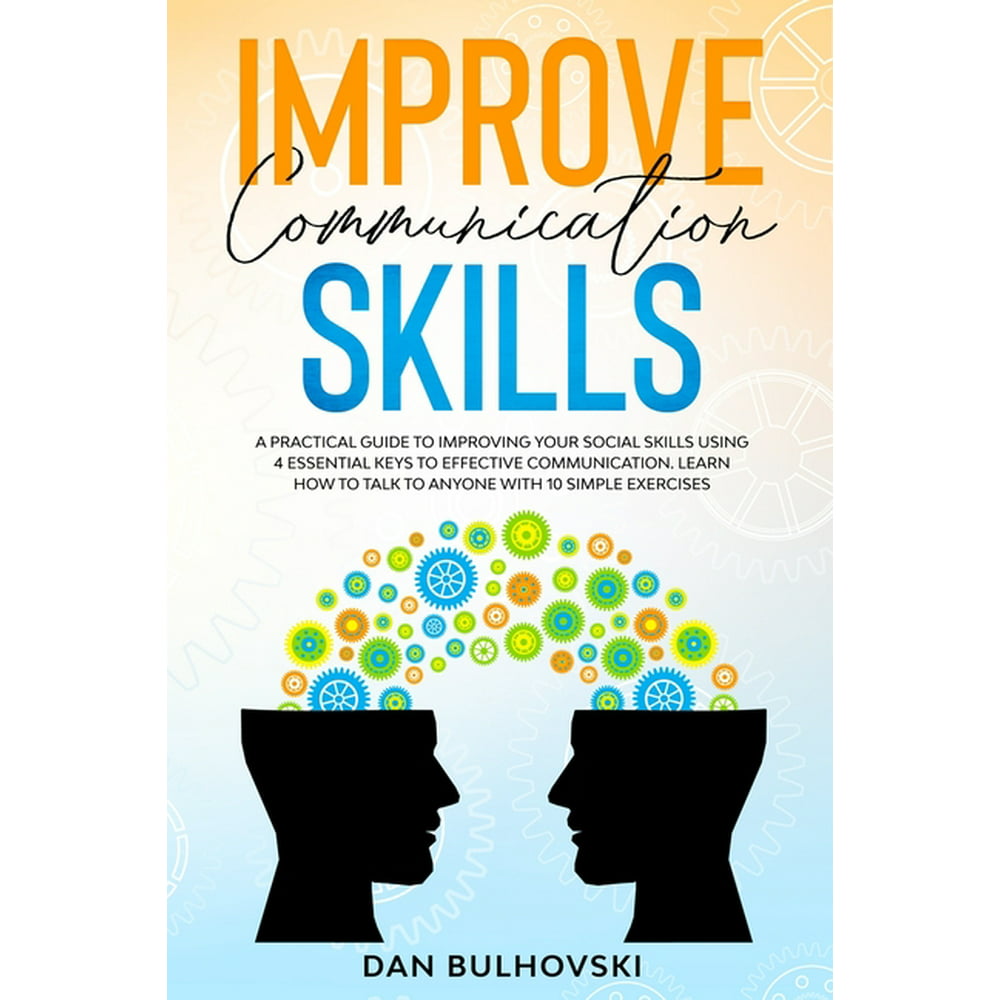
In today’s digital age, social communication skills have become more important than ever. With the rise of technology and online platforms, traditional face-to-face interactions are often overlooked or undervalued. However, developing strong social communication skills is crucial for success in both personal and professional settings. Firstly, effective social communication skills allow individuals to build meaningful…
-
Unlocking Potential: Neurodiversity Thrives in Alternative Education

Neurodiversity in Alternative Education: Spotlight on Organization Styles Introduction: Alternative education approaches have gained significant recognition in recent years for their ability to support the diverse learning needs of students. Neurodiverse learners, who possess neurological differences such as autism, ADHD, or dyslexia, often face unique challenges in traditional educational settings. However, alternative schooling embraces neurodiversity…
 Alternative Amie