Category: Neurodiversity
-
“15 Investment Options for Long-Term Returns: Start Growing Your Wealth Today!”

Investment is an essential aspect of financial planning, and it is never too early to start investing. Whether you are a parent looking to secure your child’s future or someone who wants to grow their wealth, exploring different investment options can be a wise decision. In this article, we will discuss 15 investment options that…
-
Embracing Differences and Unlocking Potential: Thriving with Dyslexia
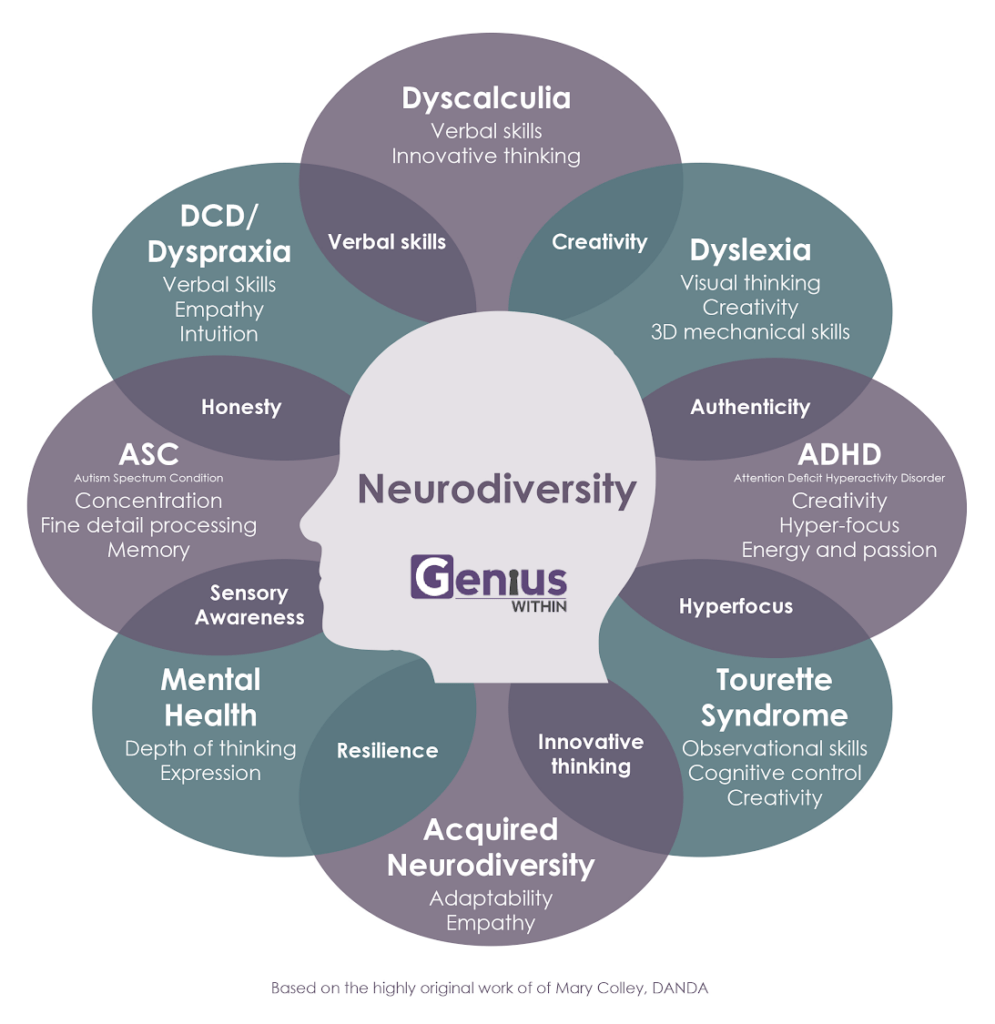
Dyslexia: Embracing Differences and Unlocking Potential In a world that often values conformity and standardized measures of success, it can be challenging for individuals who think differently to find their place. Dyslexia, a learning difference that affects reading, writing, spelling, and sometimes even speech, is one such condition that can make traditional education systems seem…
-
Unlocking the Brilliance: Nurturing Gifted Students for Success

Giftedness: Nurturing the Potential of Exceptional Students As educators and parents, it is our responsibility to create an environment that supports the unique needs and abilities of every child. In traditional school settings, however, these individual differences are not always adequately addressed. This is why alternative schooling and education have gained popularity in recent years,…
-
15 Helpful Accommodations for Students with ADHD to Thrive Academically

Attention Deficit Hyperactivity Disorder (ADHD) is a neurodevelopmental disorder that affects both children and adults. It can present challenges in various aspects of life, including education. However, with the right accommodations and support, individuals with ADHD can thrive academically. In this article, we will explore 15 helpful accommodations for students with ADHD to ensure they…
-
Empowering Voices and Ensuring Success: Self-Advocacy for Neurodiverse Individuals
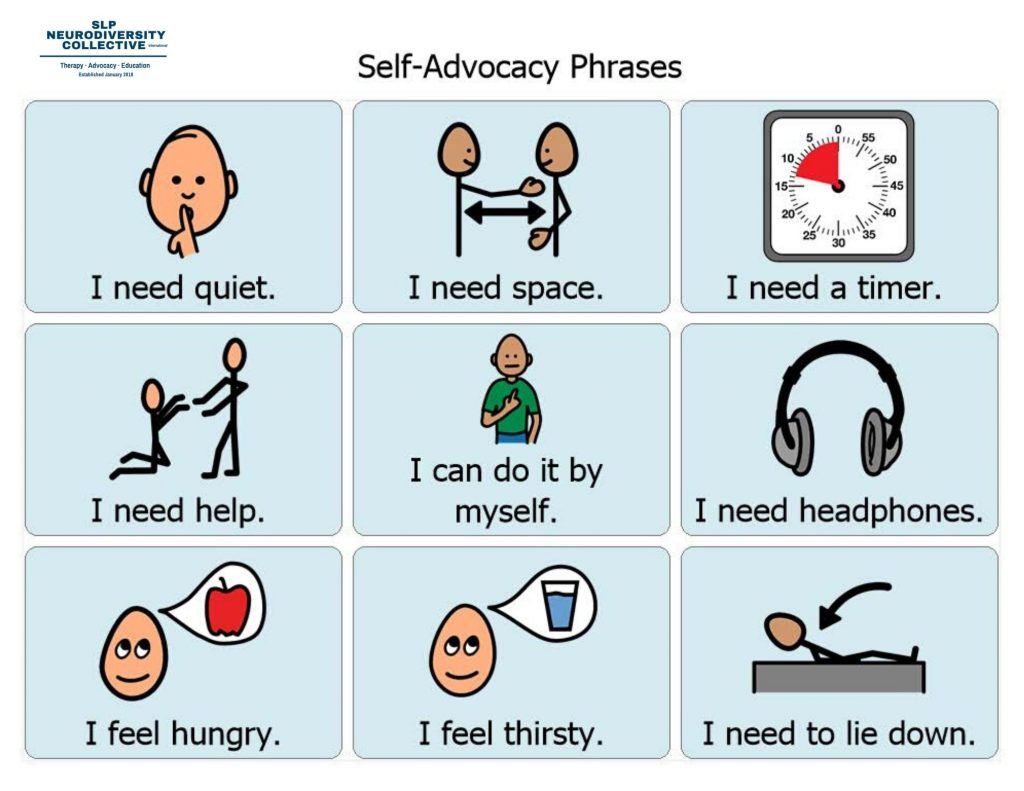
Self-Advocacy for Neurodiverse Individuals: Empowering Voices and Ensuring Success Introduction: In today’s society, it is crucial to empower individuals of all backgrounds and abilities to advocate for themselves. This is particularly true for neurodiverse individuals, who may have unique learning styles or neurological differences such as autism, ADHD, dyslexia, or other conditions. Self-advocacy is the…
-
Courtney Love: Rockstar Turned Unconventional Educator

Courtney Love: The Unconventional Educator When we think of alternative schooling and education, names like Montessori or Waldorf often come to mind. However, there is another name that deserves recognition in this realm – Courtney Love. Yes, you read that right! The infamous rockstar and actress may not be your traditional educator, but her unique…
-
Supporting Every Student’s Unique Needs: Individualized Education Plans (IEPs)
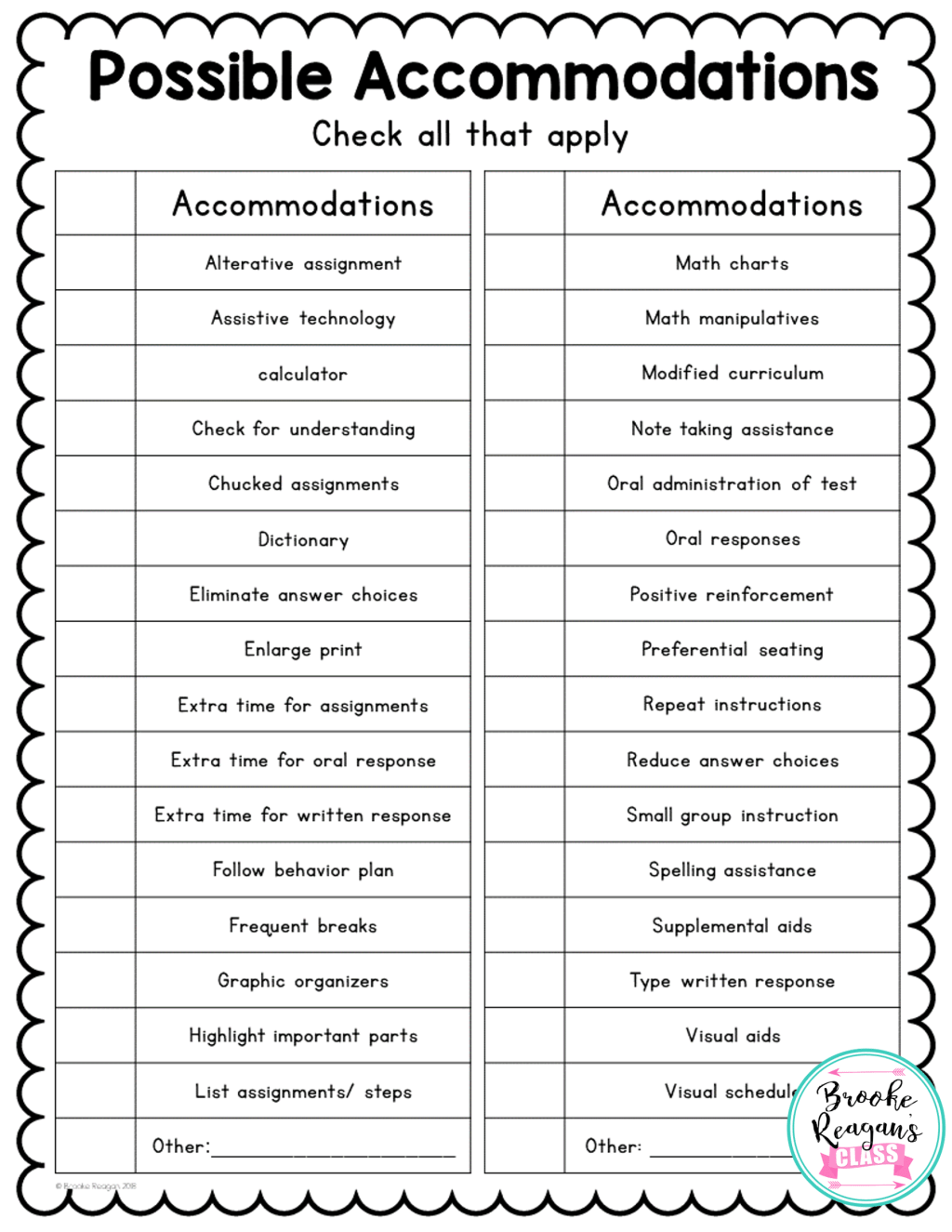
Individualized Education Plans (IEPs): Supporting Every Student’s Unique Needs Education is a fundamental right for all children, regardless of their abilities or disabilities. However, traditional education systems often struggle to cater to the diverse needs of students. This is where Individualized Education Plans (IEPs) come into play, ensuring that every student receives the support and…
-
Unlocking Potential: 8 Ways Alternative Education Supports Students with Dyslexia
Dyslexia is a learning disorder that affects the way people process language, particularly in reading and writing. It is estimated that around 10% of the global population has dyslexia to some degree. Individuals with dyslexia often face challenges in traditional education systems, but alternative schooling and education methods can provide effective strategies for overcoming these…
-
Unlocking Opportunities: The Rise of Vocational Training Programs
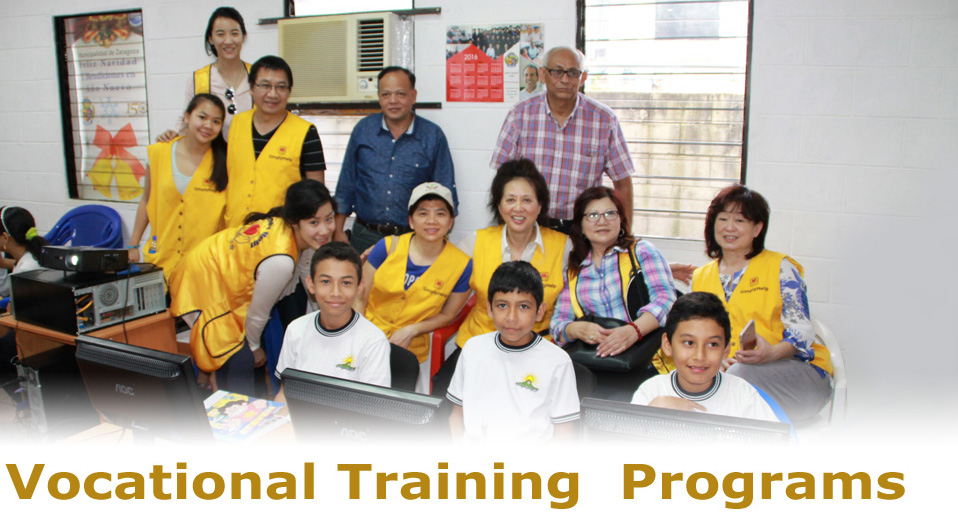
When it comes to education, traditional four-year colleges and universities are often the go-to choice for many students. However, not everyone is suited for or interested in pursuing a degree at a traditional institution. This is where vocational training programs come into play. Vocational training programs provide hands-on training and skills development in specific trades…
-
Embracing Neurodiversity: Creating Inclusive Schools for All Students
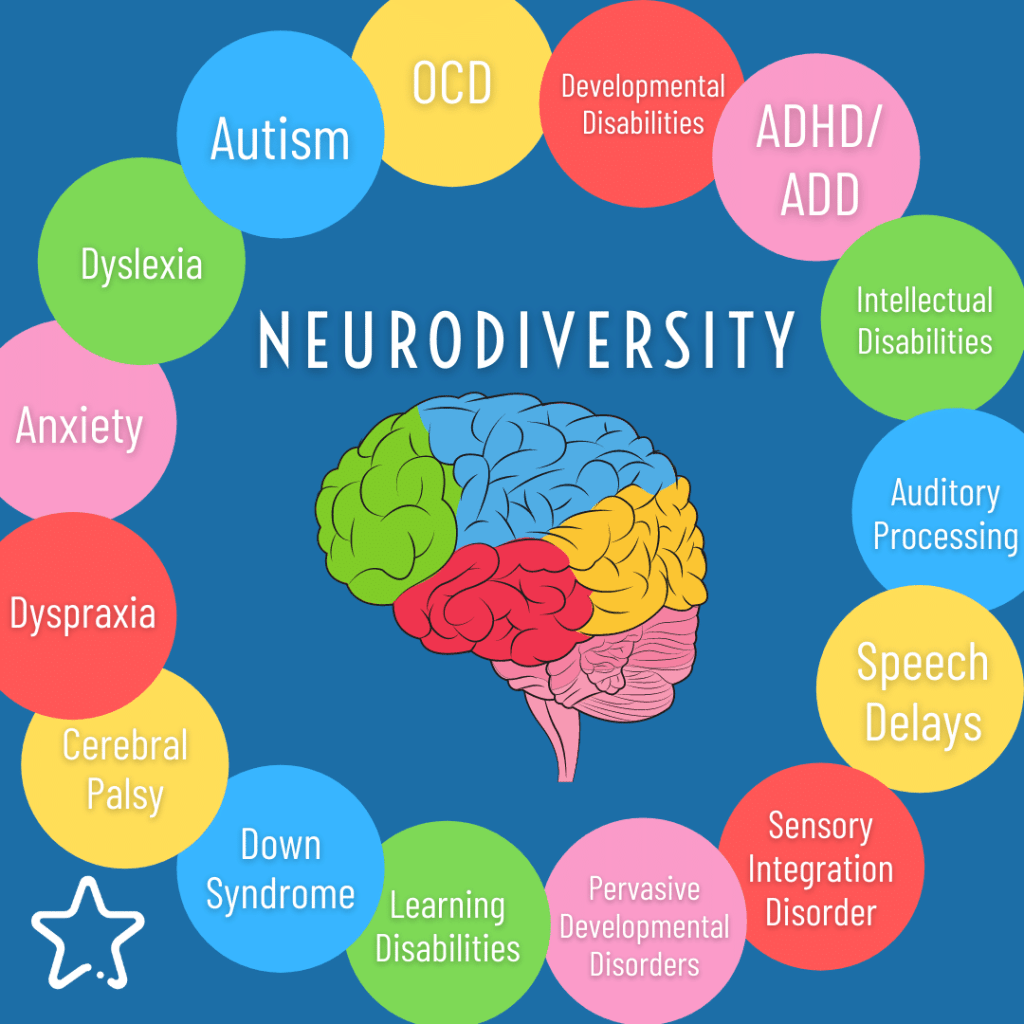
As we reflect on the evolution of education in recent years, one significant shift that deserves attention is the increased focus on neurodiversity and mental health support in schools. This progressive approach has been instrumental in creating inclusive learning environments where all students can thrive. Neurodiversity encompasses a range of neurological differences, including conditions such…
 Alternative Amie