Category: Neurodiversity
-
Unlocking Potential: How Assistive Technology Empowers Neurodiverse Students
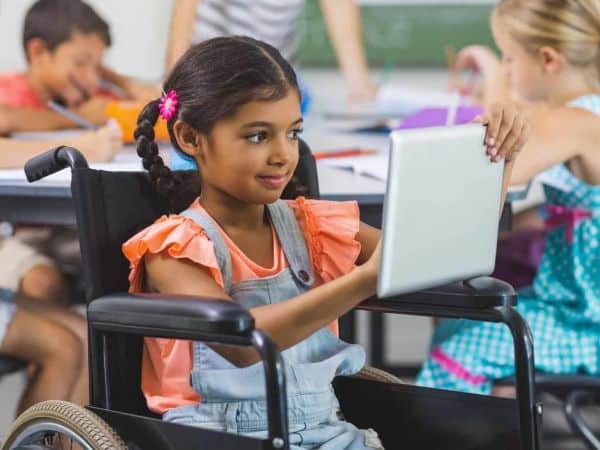
Assistive technology has become an invaluable tool for neurodiverse students, providing them with the necessary support to thrive in their educational journey. From improving focus and organization skills to enhancing communication abilities, these tools are designed to meet the unique needs of each student. One type of assistive technology that is widely used is text-to-speech…
-
Embracing Neurodiversity: Creating Inclusive Educational Environments for All

Sensory processing differences in neurodiverse individuals have garnered increased attention in recent years. Neurodiversity refers to the concept that neurological differences, including autism, ADHD, and other conditions, are simply natural variations of the human brain rather than disorders that need to be fixed or cured. Sensory processing differences are a common characteristic among neurodivergent individuals…
-
Unlocking Potential: Alternative Schooling Approaches for Students with ADHD

Attention Deficit Hyperactivity Disorder (ADHD) is a neurodevelopmental disorder that affects both children and adults. It is characterized by symptoms of inattention, impulsivity, and hyperactivity. Individuals with ADHD often struggle with organization, time management, and maintaining focus on tasks. This can have a significant impact on their academic performance and overall well-being. In this article,…
-
Embracing Neurodiversity: Building Inclusive Communities Across Environments

Neurodiversity in Various Environments: Embracing Differences and Building Inclusive Communities Introduction: The concept of neurodiversity emphasizes the idea that neurological differences, such as autism, ADHD, dyslexia, and other cognitive variations, are natural and valuable aspects of human diversity. Rather than viewing these differences as disabilities or disorders to be cured or fixed, neurodiversity advocates for…
-
Financial Literacy Curriculum for Neurodiverse Students: Empowering Inclusion and Financial Well-being
Financial Literacy Curriculum for Neurodiverse Students: A Step Towards Inclusion Introduction: In recent years, there has been a growing recognition of the importance of financial literacy education. It equips individuals with essential knowledge and skills to make informed financial decisions, manage their money effectively, and achieve long-term financial well-being. However, when it comes to neurodiverse…
-
Embracing Neurodiversity: Celebrating Differences and Empowering Individuals
Sensory Processing Differences Sensory processing differences, also known as sensory processing disorder (SPD), refer to the way the nervous system receives and interprets sensory information from the environment. Neurodiverse individuals may experience sensory sensitivity or sensory-seeking behavior, which can affect their daily lives. For some neurodivergent individuals, certain stimuli such as loud noises, bright lights,…
-
Unlocking Potential: Strategies for Supporting Neurodiverse Learners in the Classroom

Sensory processing differences can greatly impact a student’s ability to learn and thrive in a classroom setting. Understanding how these differences affect students and implementing strategies to support them is crucial for educators. Some students with sensory processing differences may be hypersensitive, meaning they are easily overwhelmed by sensory input, while others may be hyposensitive…
-
Unlocking the Potential: Supporting Neurodivergent Individuals through Sensory Processing Differences

Sensory processing differences in neurodivergent individuals Neurodiversity refers to the concept that neurological differences, such as autism, ADHD, and dyslexia, are natural variations of the human brain rather than deficits or disorders. These differences can impact various aspects of daily life, including sensory processing. Sensory processing is the way our nervous system receives and responds…
-
Unlocking the Senses: Supporting Children’s Unique Needs in the Classroom
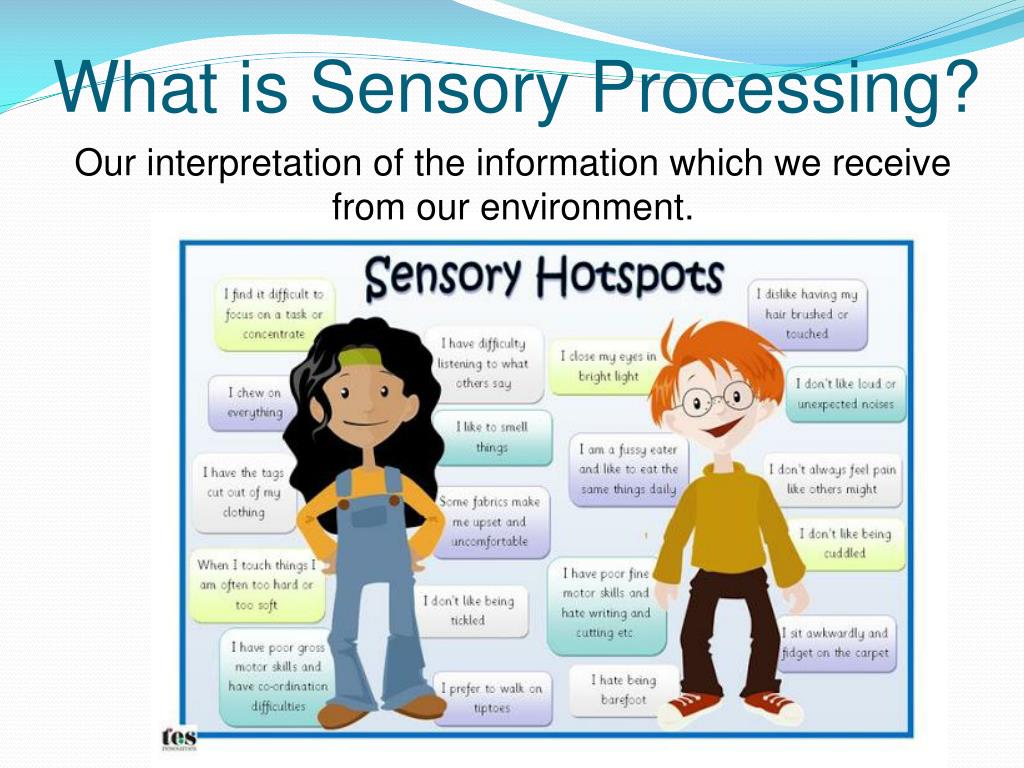
Sensory Processing Differences: Understanding and Supporting Children’s Unique Needs Introduction: In a classroom setting, children come from diverse backgrounds with varying abilities, strengths, and challenges. One aspect that significantly affects their learning experience is sensory processing differences. Sensory processing refers to the way the nervous system receives and responds to sensory information from our environment.…
-
Unlocking Potential: Assistive Technology Empowers Neurodiverse Learners to Succeed
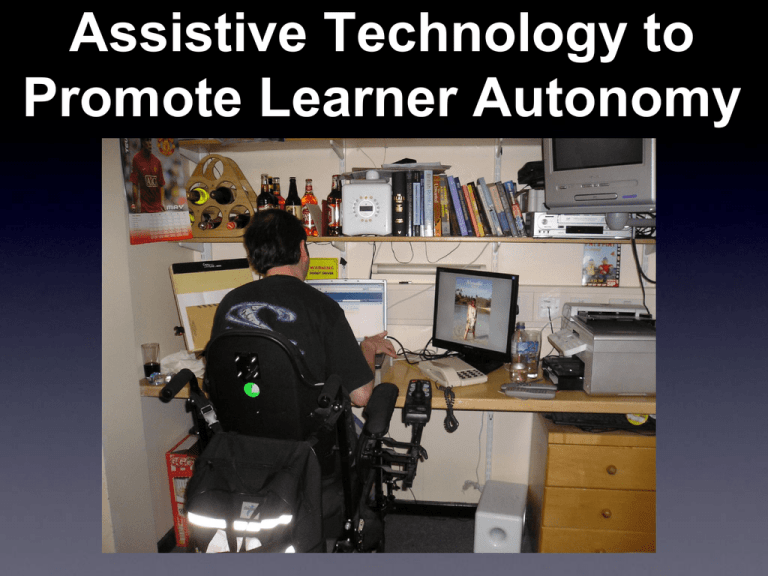
Assistive Technology for Neurodiverse Learners: Unlocking Potential and Empowering Success In today’s diverse educational landscape, it is crucial to recognize and support the unique learning needs of neurodiverse students. Neurodiversity refers to the natural variations in how individuals perceive, process, and learn information. It encompasses conditions such as autism spectrum disorder, attention deficit hyperactivity disorder…
 Alternative Amie