Category: Neurodiversity
-
Embracing Neurodiversity: Building Inclusive and Successful Classrooms

Neurodiversity in the Classroom: Fostering Inclusivity and Success In recent years, there has been a growing recognition of the importance of embracing neurodiversity in educational settings. Neurodiversity refers to the wide range of neurological differences found among individuals, including conditions such as autism spectrum disorder (ASD), attention deficit hyperactivity disorder (ADHD), dyslexia, and others. Instead…
-
The Rise of Inclusive Classrooms: Embracing Diversity for a Brighter Future

Inclusive classrooms are becoming increasingly popular in the field of education. These classrooms aim to create an environment where students of all abilities and backgrounds can learn together, fostering a sense of belonging and acceptance. In this Q&A style post, we will explore some common questions about inclusive classrooms. Q: What is an inclusive classroom?…
-
Unleashing Creativity and Curiosity: Exploring Unique Workplaces for Alternative Education

Alternative Schooling and Education: Exploring Unique Workplaces for Learning In the pursuit of innovative education, alternative schooling and education websites are constantly seeking unconventional learning environments that foster creativity, collaboration, and real-world experiences. One such avenue is to explore unique workplaces that offer inspiring settings for students to expand their knowledge beyond traditional classrooms. In…
-
Unlocking the Senses: Navigating Education for Children with Sensory Processing Disorder
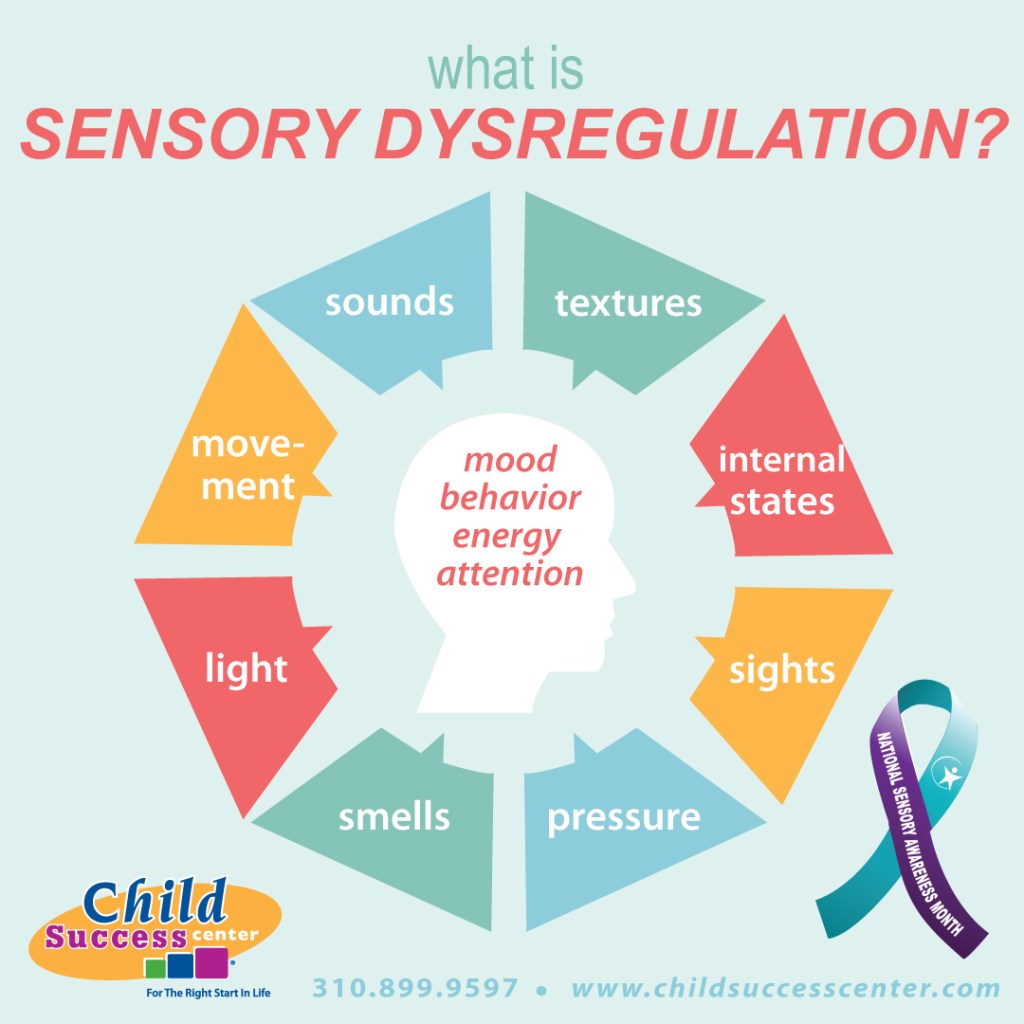
Sensory processing disorder (SPD) is a condition that affects how the brain processes and responds to sensory information from the environment. Individuals with SPD may have difficulties with one or more senses, such as touch, taste, smell, sight, and hearing. This can affect their ability to function in daily life tasks and participate fully in…
-
“Center for Autism and Related Disorders: Empowering Individuals with Autism to Reach Their Full Potential”
In the realm of alternative schooling and education, there are numerous organizations dedicated to providing support and resources for individuals with autism. One prominent organization making a significant impact in this field is the Center for Autism and Related Disorders (CARD). With its comprehensive approach to intervention and treatment, CARD has helped countless individuals on…
-
Navigating the Transition: Symptoms and Benefits of Alternative Education

In today’s fast-paced world, many parents are seeking alternative schooling and education options for their children. Alternative schools offer a unique approach to learning, often focusing on individual needs and fostering creativity. While alternative education can be highly beneficial for many students, it is important to understand the potential symptoms that may arise during this…
-
Alternative Schooling Approaches: Embracing Neurodiversity and Unlocking Potential

Montessori education is known for its emphasis on individualized learning and hands-on experiences, making it a natural fit for neurodiverse learners. The Montessori approach recognizes that every child is unique and has different strengths and challenges. In a Montessori classroom, students have the freedom to choose their own activities within a structured environment, allowing them…
-
Unleashing the Power of Neurodiversity: Strategies for Inclusive Education

1. Sensory processing differences in neurodivergent individuals: Neurodivergent individuals often experience sensory processing differences, which can impact their ability to process and respond to sensory information from the environment. Some may be hypersensitive, meaning they are easily overwhelmed by certain stimuli such as loud noises or bright lights. Others may be hyposensitive, where they have…
-
Unlocking Potential: Montessori Education Embraces Neurodiversity
Neurodiversity in Montessori Education Montessori education is a child-centered approach that emphasizes independence, freedom within limits, and hands-on learning. It provides a nurturing environment for neurodiverse learners by embracing their unique strengths and accommodating their individual needs. One of the key aspects of Montessori education is its focus on personalized learning. In a Montessori classroom,…
-
Embracing Neurodiversity: Nurturing Giftedness in Alternative Education

Giftedness and Neurodiversity: Embracing Differences in Alternative Education In the realm of alternative schooling and education, there is an increasing recognition that every student is unique, with their own set of strengths and challenges. This acknowledgment has led to a shift towards embracing neurodiversity—the idea that neurological differences, including giftedness, should be recognized and celebrated…
 Alternative Amie