Category: Multiage classrooms
-
“Personalized Learning Made Possible: The Benefits of Flexible Grouping in the Classroom”
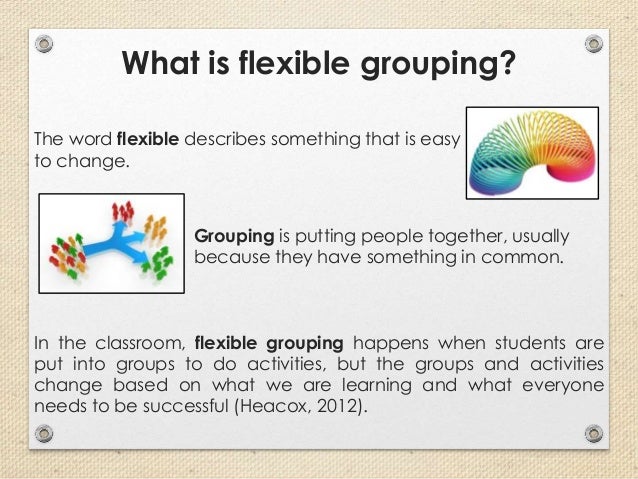
Flexible grouping is a teaching strategy that allows students to work with peers who have similar academic abilities and interests. This approach provides an opportunity for educators to personalize their instruction, which can result in increased engagement and improved learning outcomes. One of the most common forms of flexible grouping is ability grouping. In this…
-
10 Ways to Incorporate Mindfulness into the Classroom for Improved Well-Being

Mindfulness is a practice that has been gaining popularity in recent years, and for good reason. It’s an effective way to reduce stress, improve focus, and increase overall well-being. As such, it’s no surprise that mindfulness in the classroom has become a popular topic among educators. Here are 10 ways that mindfulness can be incorporated…
-
Individualized Learning Plans: The Key to Customized Education Experiences
In traditional classrooms, students are usually taught the same lessons in the same way. However, we all know that every child is unique and has different strengths and weaknesses. Some students learn better through visual aids while others prefer hands-on activities. This is where individualized learning plans (ILPs) come into play. An ILP is a…
-
Empowering Students: The Revolutionary Approach of Student-Led Conferences
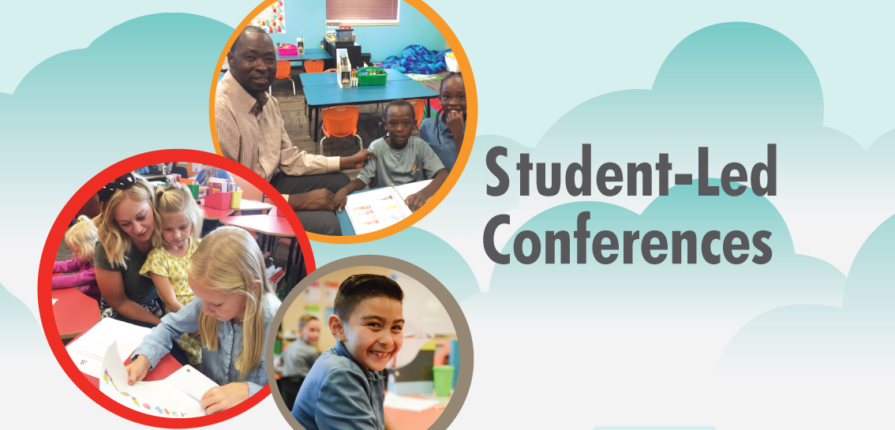
Student-Led Conferences: Empowering Students to Take Ownership of Their Learning For many years, parent-teacher conferences have been the traditional way of communicating a student’s progress in school. However, this model has limited effectiveness as it only involves two parties – the teacher and parents – leaving out the most important stakeholder in the equation –…
-
“Designing Curricula for Alternative Schools: A Comprehensive Guide to Success”

Curriculum Design: A Comprehensive Guide for Alternative Schools Curriculum design is an essential component of any education system. It is the process of creating a plan or framework that outlines the goals, objectives, and learning experiences that students will undertake during their school years. Curriculum design is not just about what students learn; it’s also…
-
Multiage Classrooms: A Game-Changer for Students with Special Needs or Disabilities

Multiage Classrooms for Students with Special Needs or Disabilities In recent years, there has been a shift in the way we think about education. Educators are constantly searching for new and innovative ways to teach students of all abilities, including those with special needs or disabilities. One approach that has gained popularity in this field…
-
Unleashing Curiosity: The Transformative Power of Inquiry-Based Learning

Inquiry-based learning is an approach that emphasizes student engagement and active participation in the learning process. Unlike traditional lecture-style teaching, inquiry-based learning puts students at the center of their own education by encouraging them to ask questions, seek answers, and explore topics in depth. At its core, inquiry-based learning is all about curiosity. By allowing…
-
Why Nurturing Children’s Emotional Intelligence is Key to Their Success

Social-Emotional Development: The Importance of Nurturing Children’s Emotional Intelligence Social-emotional development refers to the process in which children learn to understand and manage their emotions, build relationships with others, and develop a sense of self-awareness. While academic knowledge is essential for success in life, social-emotional skills are critical for building positive relationships, managing stress and…
-
“Peer Mentoring: The Game-Changing Learning Model Taking Over Schools Worldwide”

Peer mentoring is a popular learning model that has been gaining popularity in schools and education systems worldwide. It involves the pairing or grouping of students of different academic levels or experiences to work together on specific tasks or projects. The idea behind peer mentoring is to help learners develop more effective communication and collaboration…
-
“Alternative Education Prioritizes Social-Emotional Learning for Student Success”
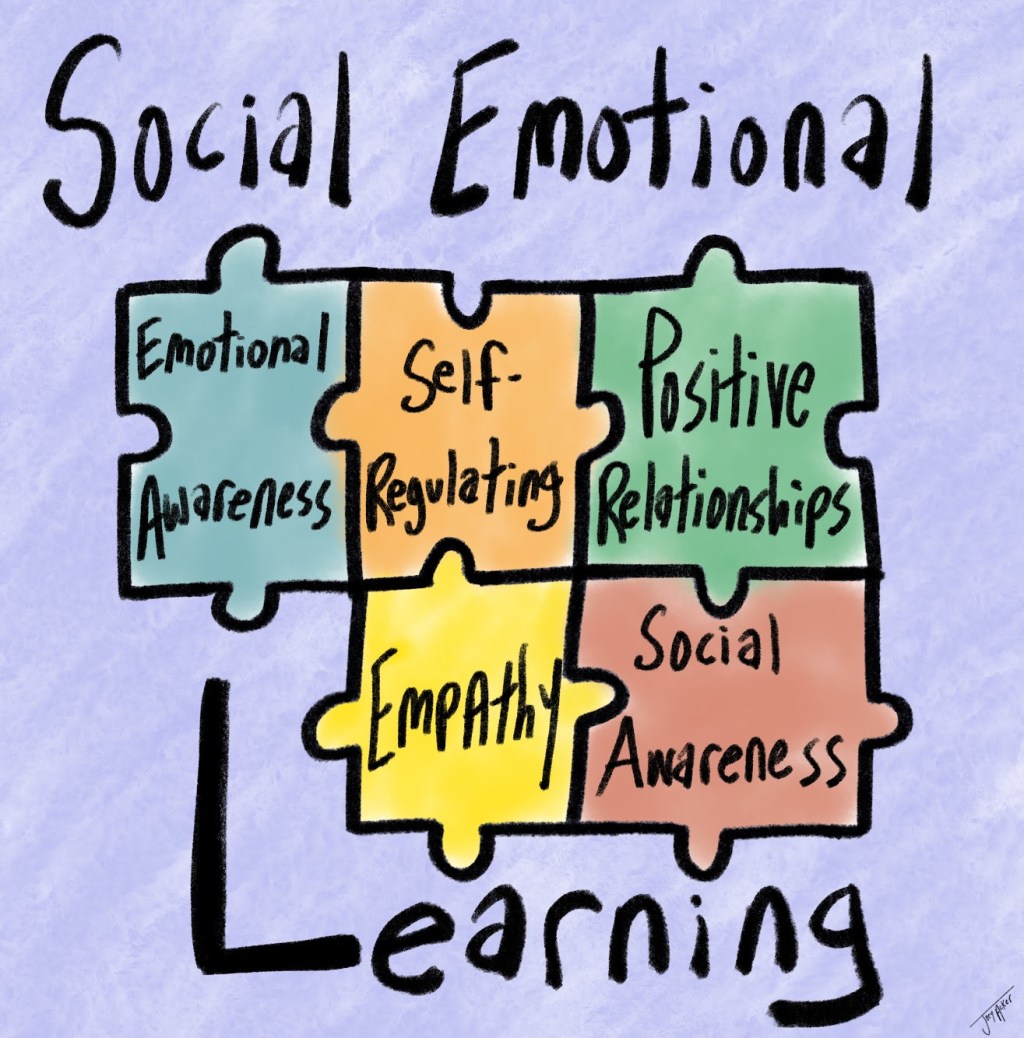
Social-Emotional Learning in Alternative Education Settings Alternative education settings, such as alternative schools and homeschooling environments, have gained popularity over the years. These educational options offer a unique approach to learning that focuses on the individual needs of students rather than following a traditional one-size-fits-all model. One important aspect of these approaches is social-emotional learning…
 Alternative Amie