Category: Individualized education plans (IEPs)
-
Meryl Streep: A Legendary Actress and Champion of Alternative Education

Meryl Streep: A Legendary Actress and Advocate for Alternative Education Introduction: Meryl Streep, known as one of the greatest actresses of her generation, has captivated audiences worldwide with her versatile performances and incredible talent. Beyond her acting prowess, Streep is also an advocate for alternative schooling and education. In this article, we will explore Streep’s…
-
Meeting the Diverse Needs of Learners: Curriculum Adaptations for Success

Curriculum Adaptations: Meeting the Diverse Needs of Learners In the realm of education, it is crucial to recognize that every student has unique learning styles, abilities, and interests. Traditional curricula often fail to address these individual differences adequately. This is where curriculum adaptations come into play – they offer a flexible approach to instruction that…
-
Empowering Students: Unlocking the Power of Self-Advocacy

Self-advocacy Skills Development: Empowering Students to Speak Up for Themselves In today’s rapidly changing world, it is becoming increasingly important for young people to develop strong self-advocacy skills. Self-advocacy refers to the ability to speak up for oneself, express one’s needs and desires, and assertively navigate through various aspects of life. For students in alternative…
-
“Empowering Success: Transition Planning in IEPs for Students with Disabilities”
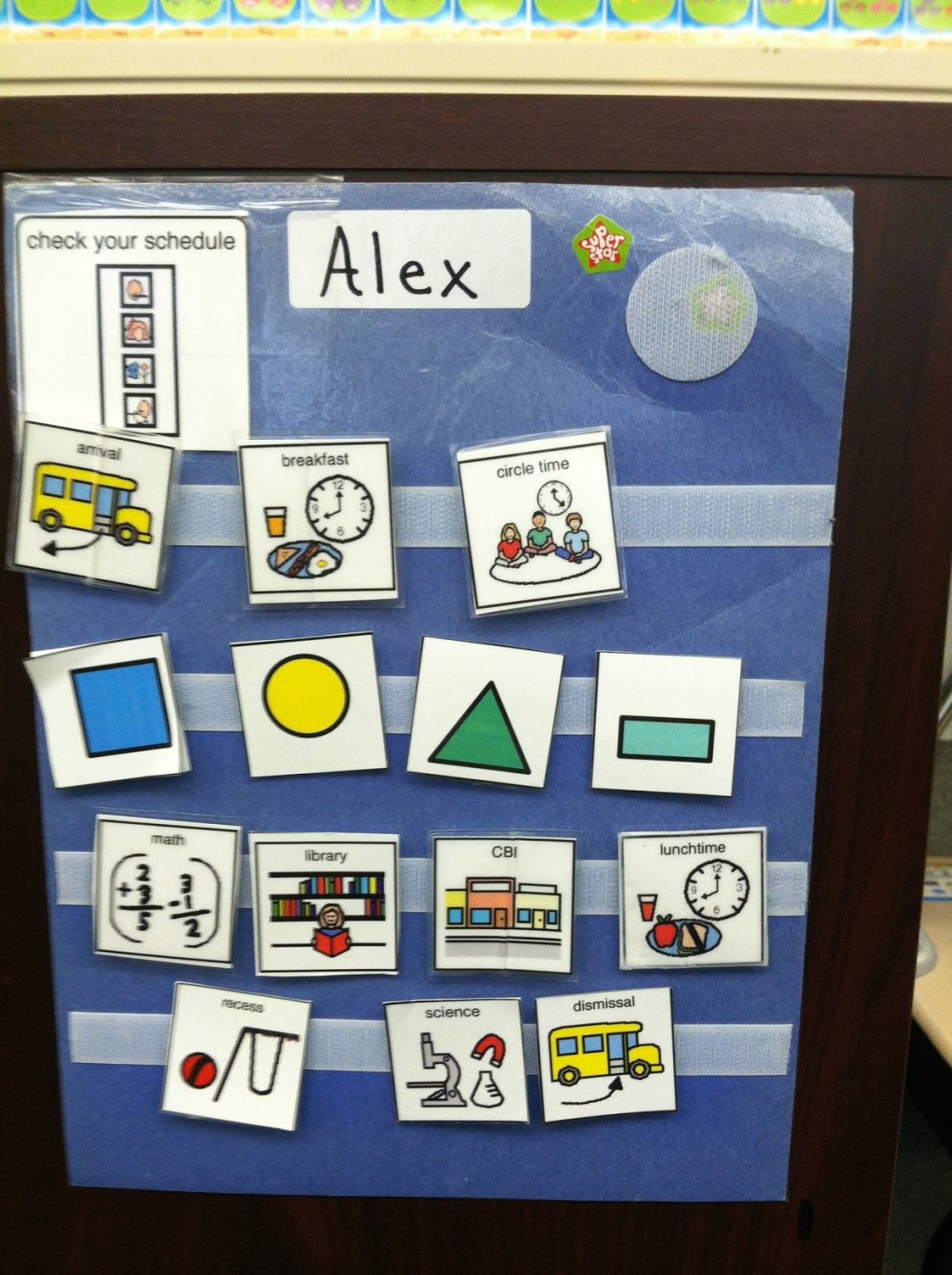
Transition Planning in IEPs Transition planning is a critical component of Individualized Education Programs (IEPs) for students with disabilities. It involves preparing students for life after high school, including post-secondary education, employment, and independent living. Transition planning should begin no later than age 14 and focus on the student’s strengths, interests, preferences, and goals. During…
-
Unlocking the Potential: Supporting Students with Dyslexia and Alternative Learning Styles

Understanding Dyslexia and How to Support Students with Alternative Learning Styles Introduction: Dyslexia is a learning difference that affects the way individuals process language. It is estimated that around 15-20% of people have dyslexia to some degree, making it one of the most common learning disorders. While dyslexia poses challenges in reading, writing, and spelling,…
-
Unlocking Potential for Success: Developing Executive Functioning Skills
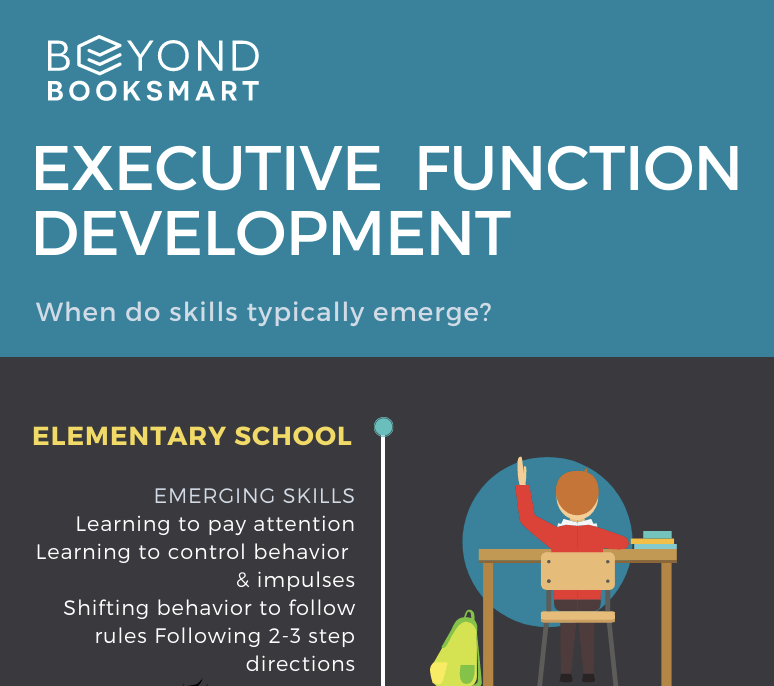
Executive Functioning Skills Development: Unlocking Potential for Success Introduction: In today’s rapidly changing world, it is becoming increasingly important for individuals to possess strong executive functioning skills. These skills play a vital role in our ability to plan, organize, manage time, initiate tasks, stay focused, regulate emotions and impulses, and reflect on our actions. While…
-
8 Ways Alternative Schooling Benefits Students with Autism Spectrum Disorder

Autism Spectrum Disorder (ASD) is a neurodevelopmental disorder that affects individuals’ social interaction, communication skills, and behavior. It is a lifelong condition that can vary in severity and presents unique challenges for those who have it. Alternative schooling and education options can provide valuable support to children with ASD, allowing them to thrive academically while…
-
“Emotional Support: The Key to Success in Alternative Education”
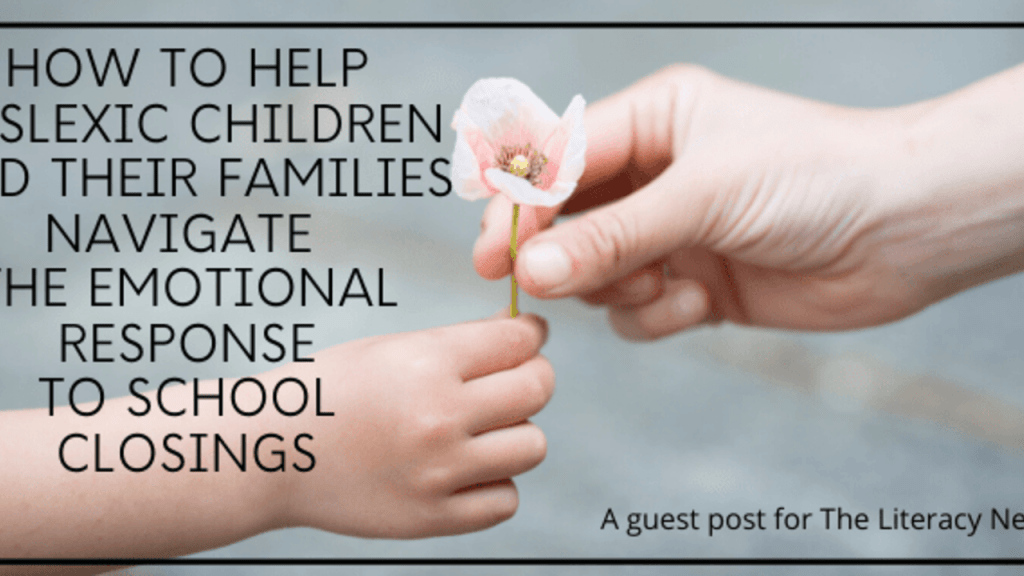
In the realm of alternative schooling and education, emotional support plays a crucial role in ensuring the overall well-being and success of students. Unlike traditional schools, alternative educational settings often provide more personalized learning experiences but may also present unique challenges for students in terms of socialization or self-regulation. Therefore, implementing effective strategies to address…
-
Unlocking the Benefits of Community Colleges: Affordable Education, Practical Skills, and Transfer Opportunities
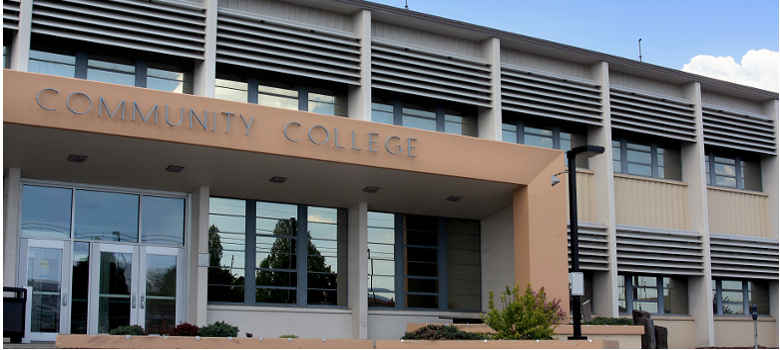
Community colleges, also known as junior colleges or two-year colleges, have gained significant popularity and recognition in recent years. These institutions provide an alternative pathway to higher education for students seeking affordable tuition, flexible schedules, and practical skills training. In this comprehensive Q&A style post, we will delve into the world of community colleges, exploring…
-
Uncovering Insights: Diverse Data Collection Methods in Alternative Schooling and Education

Data Collection Methods in Alternative Schooling and Education In the realm of alternative schooling and education, data collection plays a crucial role in assessing student progress, evaluating teaching methodologies, and informing decision-making processes. By gathering and analyzing relevant data, educators can identify areas of improvement, tailor instruction to individual needs, and gauge the effectiveness of…
 Alternative Amie