Category: Individualized education plans (IEPs)
-
Navigating the Path to Adulthood: Key Elements of Transition Planning in IEPs

Transition planning is a crucial aspect of Individualized Education Programs (IEPs) for students with disabilities as they prepare to move into adulthood. This process involves identifying goals and objectives that will help the student transition smoothly into post-secondary education, vocational training, employment opportunities, independent living situations, and community engagement. Assistive technology considerations play a significant…
-
Empowering Parents: The Key to Success in Alternative Education
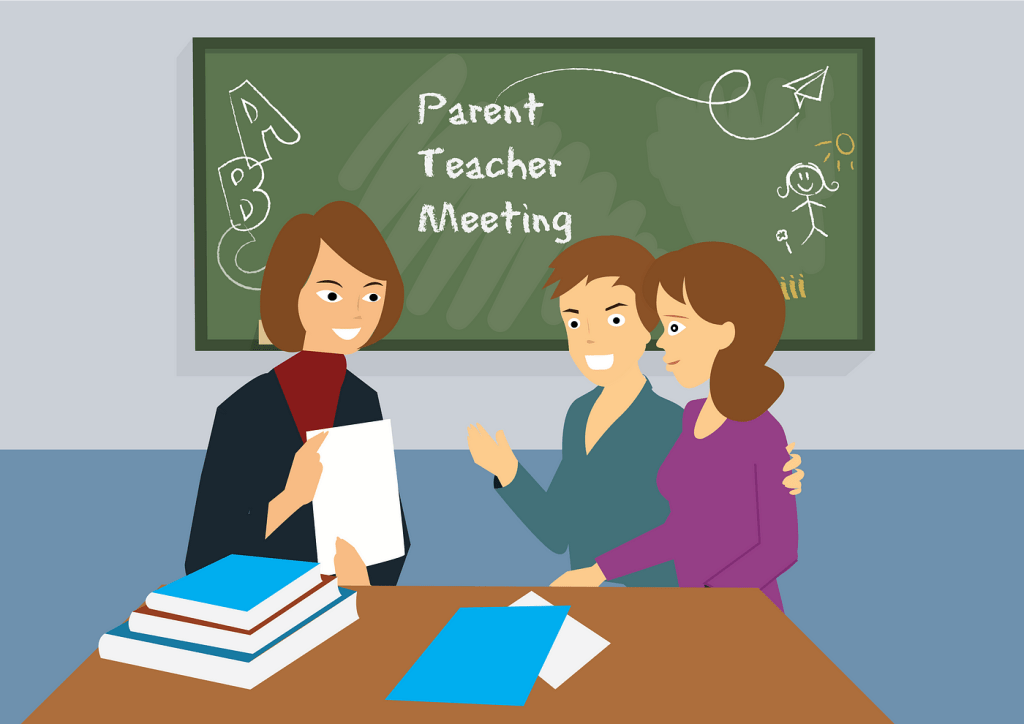
Parent involvement in education has long been recognized as a crucial factor in a child’s academic success. It is widely acknowledged that when parents are actively engaged in their child’s learning and school activities, students tend to perform better academically, have improved behavior and attendance, and develop positive attitudes towards education. Alternative schooling and education…
-
Celebrity Success Stories: Inspiring Figures in Entertainment

In the world of entertainment, there are a number of celebrities who not only excel in their craft but also serve as shining examples of hard work, dedication, and perseverance. These individuals have risen to fame through their talent, charisma, and strong work ethic. They have inspired millions around the globe with their remarkable success…
-
Unlocking Success: The Key Components of an Effective IEP
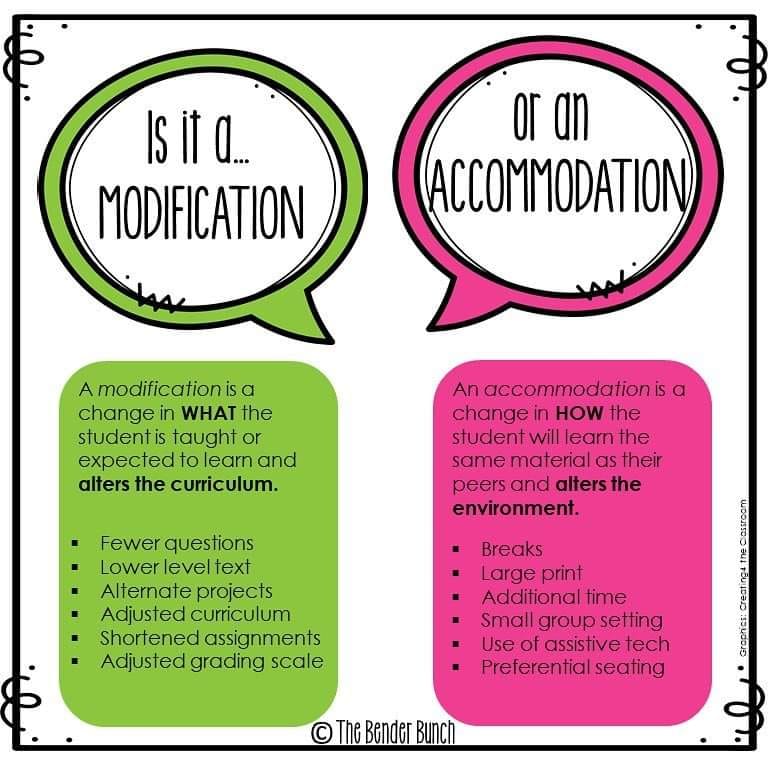
Accommodations and modifications are essential components of an Individualized Education Program (IEP) that aim to support students with diverse learning needs. These adjustments ensure that students have equal access to education and can fully participate in the classroom environment. Accommodations typically refer to changes in how a student learns material, while modifications involve altering what…
-
15 Reasons Why Speech Therapy is Essential for Alternative Education Success
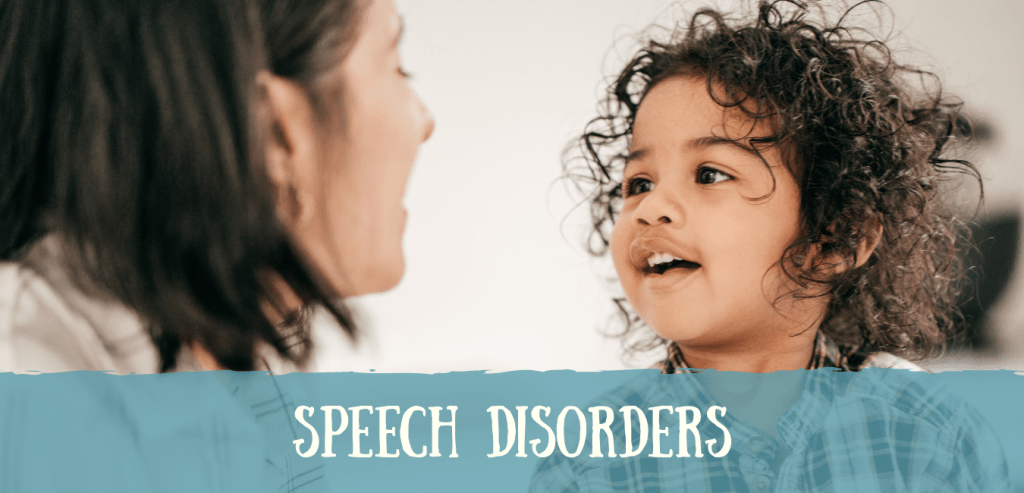
Speech therapy is a vital and effective intervention for individuals of all ages who struggle with communication disorders. Whether it’s difficulty in articulating words, stuttering, voice disorders, language delays, or other speech-related challenges, speech therapy can provide significant support and improvement. Here are 15 reasons why speech therapy is crucial for individuals seeking alternative schooling…
-
Navigating the Path to Post-Secondary Success: Key Components of Transition Planning for Students with Disabilities

Transition planning for post-secondary education is a critical component of the Individualized Education Program (IEP) process for students with disabilities. As these individuals prepare to enter adulthood, it is essential to address their unique needs and ensure they have the necessary skills and supports in place to succeed in higher education or vocational training settings.…
-
Empowering Students: Key Components of an IEP for Success
Transition planning is a crucial component of an Individualized Education Program (IEP) as it helps students with disabilities prepare for life after high school. This process involves setting goals, exploring post-secondary education options, vocational training opportunities, and community-based instruction that align with the student’s interests and abilities. It also includes identifying necessary accommodations and modifications…
-
Empowering Students with Disabilities: Key Aspects of Special Education Transition Planning

Transition planning is a critical aspect of special education that focuses on preparing students with disabilities to transition from school to post-school activities, such as higher education, employment, and independent living. This process begins when the student turns 16 (or younger if determined appropriate by the IEP team) and involves developing individualized goals and services…
-
Empowering Students: The Key to Successful Transition Planning

Transition planning is a crucial aspect of education for students with unique needs, such as those in alternative schooling settings. This process involves creating a roadmap to help students smoothly navigate the transition from school to post-school life, whether that be further education, employment, or independent living. One key component of transition planning is identifying…
-
Empowering Diversity: The Vital Role of Assistive Technology in IEPs

Assistive technology plays a crucial role in Individualized Education Programs (IEPs) for students with diverse learning needs. By incorporating assistive technology into IEPs, educators can provide personalized support to help students access the curriculum and participate more fully in educational activities. Assistive technology can include devices such as tablets, speech-to-text software, communication boards, and sensory…
 Alternative Amie