Category: Individualized education plans (IEPs)
-
Fostering Growth and Well-being: Social-Emotional Development Goals in Alternative Education

Social-Emotional Development Goals: Fostering Growth and Well-being in Alternative Education In the realm of education, there is growing recognition that academic success alone does not guarantee a fulfilling and successful life. To thrive in today’s complex world, students need to develop a range of social-emotional skills that enable them to navigate relationships, manage their emotions,…
-
“Preparing for Success: Key Elements of Transition Planning in IEPs”

Transition Planning in IEPs: Transition planning is a crucial component of Individualized Education Programs (IEPs) for students with disabilities. It involves preparing students for life after high school and ensuring they have the necessary skills and supports to achieve their post-secondary goals. Here are some important considerations for effective transition planning within IEPs. 1. Start…
-
Emma Watson: A Trailblazer for Alternative Education and Inclusive Learning

Emma Watson is a prominent figure in the entertainment industry, known for her acting skills and activism. However, she also deserves recognition for her unique approach to education. Watson has been an advocate for alternative schooling and education throughout her career. Watson herself attended The Dragon School, an independent preparatory school in England that emphasizes…
-
Navigating the Future: Transition Planning for Students with IEPs

Transition Planning for Students with IEPs Transition planning is a crucial component of Individualized Education Programs (IEPs) for students with disabilities. It involves preparing students for life after high school, including their post-secondary education, employment, and independent living goals. The purpose of transition planning is to ensure that students are equipped with the necessary skills…
-
Supporting Students with Autism Spectrum Disorder: Thriving in Alternative Schools

Support for students with Autism Spectrum Disorder (ASD) is a critical aspect of alternative schooling and education. ASD refers to a range of neurodevelopmental disorders characterized by difficulties in social interaction, communication challenges, repetitive behaviors, and sensory sensitivities. With the prevalence of ASD increasing globally, it is essential that schools provide appropriate support systems to…
-
Strategies for Empowering Students with Autism Spectrum Disorder (ASD) in IEPs

Strategies for Supporting Students with Autism Spectrum Disorder (ASD) in IEPs Autism Spectrum Disorder (ASD) is a developmental disorder that affects individuals’ social interaction and communication skills. Students with ASD often face unique challenges in the classroom, making it crucial for educators to provide them with appropriate support. Individualized Education Programs (IEPs) are vital tools…
-
Enhancing Learning and Development: The Power of Occupational Therapy in IEPs

Occupational Therapy in IEPs: Enhancing Learning and Development In the realm of special education, Individualized Education Programs (IEPs) play a vital role in ensuring that students with disabilities receive the necessary support and accommodations to thrive academically. One crucial aspect often integrated into these plans is occupational therapy (OT). Occupational therapists are equipped with unique…
-
10 Effective Methods for Data Collection in Alternative Schooling and Education

Data collection is an essential part of any research or educational program. It provides valuable insights and information that can be used to improve teaching methods, assess student performance, and make informed decisions about curriculum development. In the field of alternative schooling and education, data collection is particularly important as it helps educators gauge the…
-
The Importance of Budgeting in Alternative Schooling: Empowering Students for Financial Success
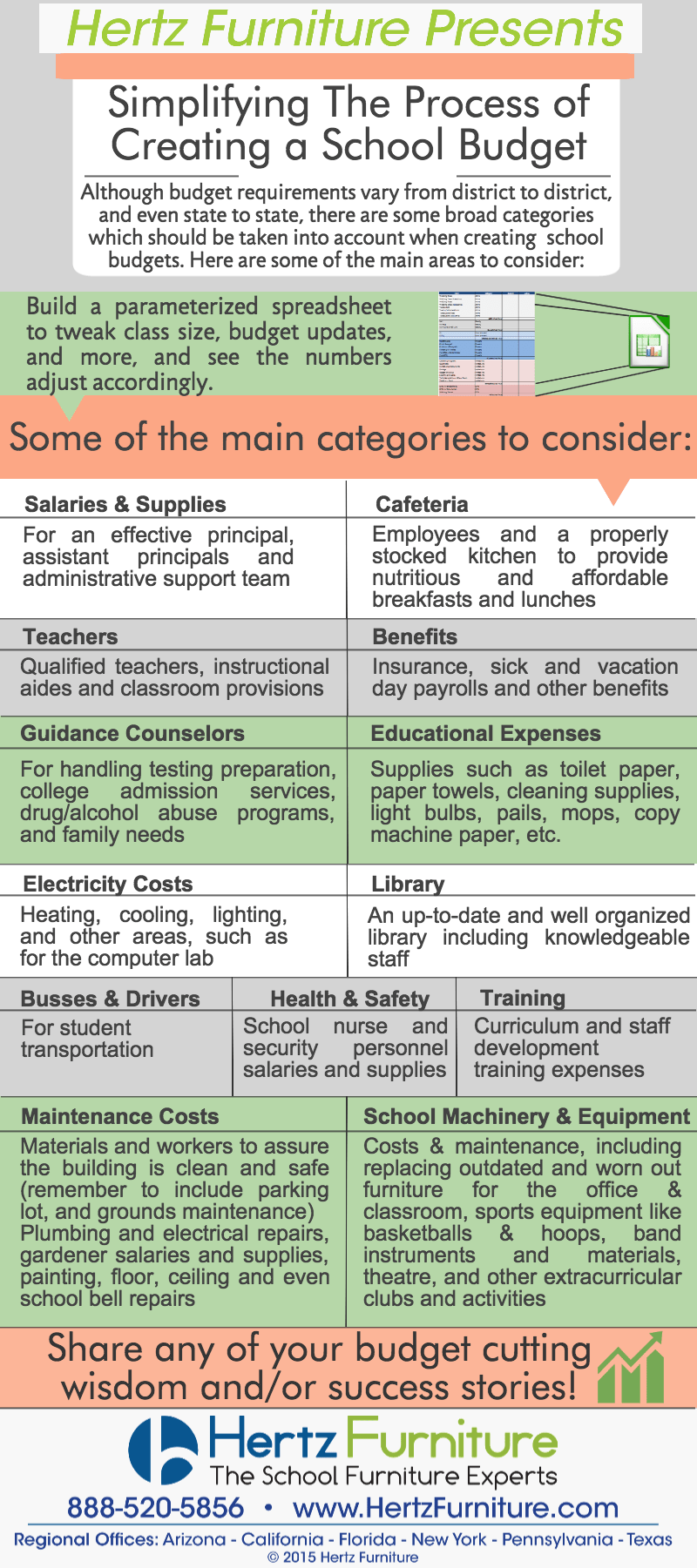
Panel Discussion: The Importance of Budgeting in Alternative Schooling Moderator: Welcome to today’s panel discussion on the topic of budgeting in alternative schooling. We have gathered a group of experts who will share their insights and experiences on how budgeting plays a crucial role in the success of alternative education. Let’s introduce our panelists: –…
-
“Cultural Considerations: Enhancing Equity in Individualized Education Programs (IEPs)”
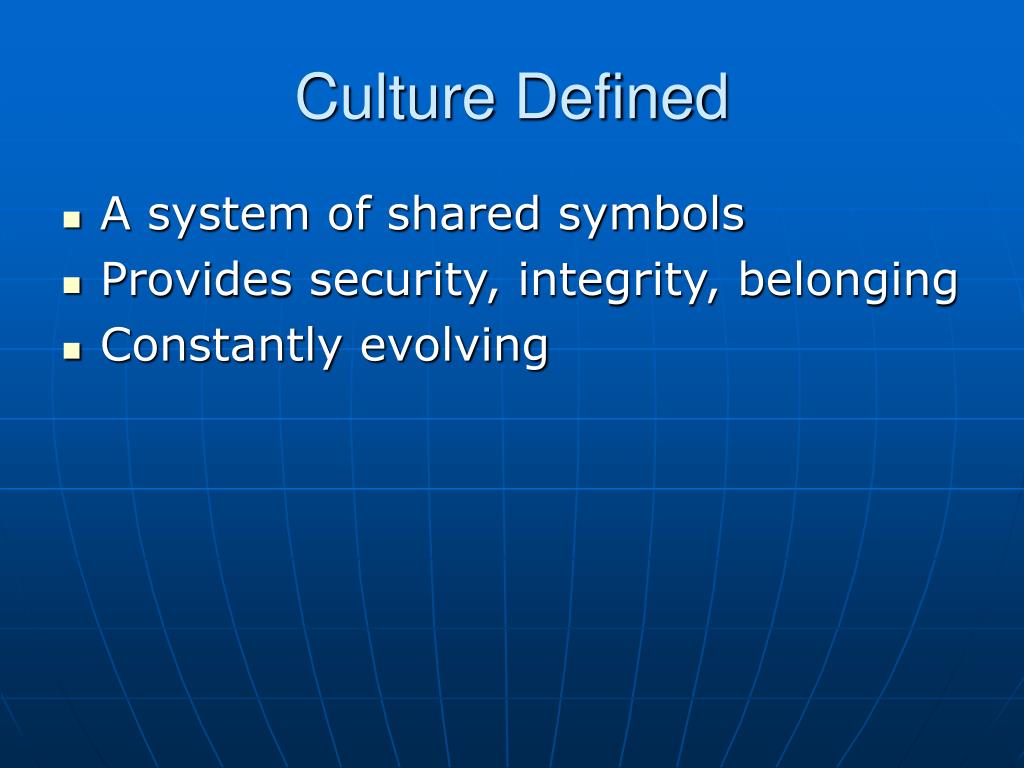
Cultural Considerations in Individualized Education Programs (IEPs) Introduction: In today’s diverse society, it is crucial for educators to consider cultural factors when developing Individualized Education Programs (IEPs) for students with special needs. IEPs are legal documents that outline the specialized services and accommodations required to support a student’s learning and development. By incorporating cultural considerations…
 Alternative Amie