Category: Gifted education
-
Empowering Students: Fostering Critical Thinking Skills in Alternative Education Settings
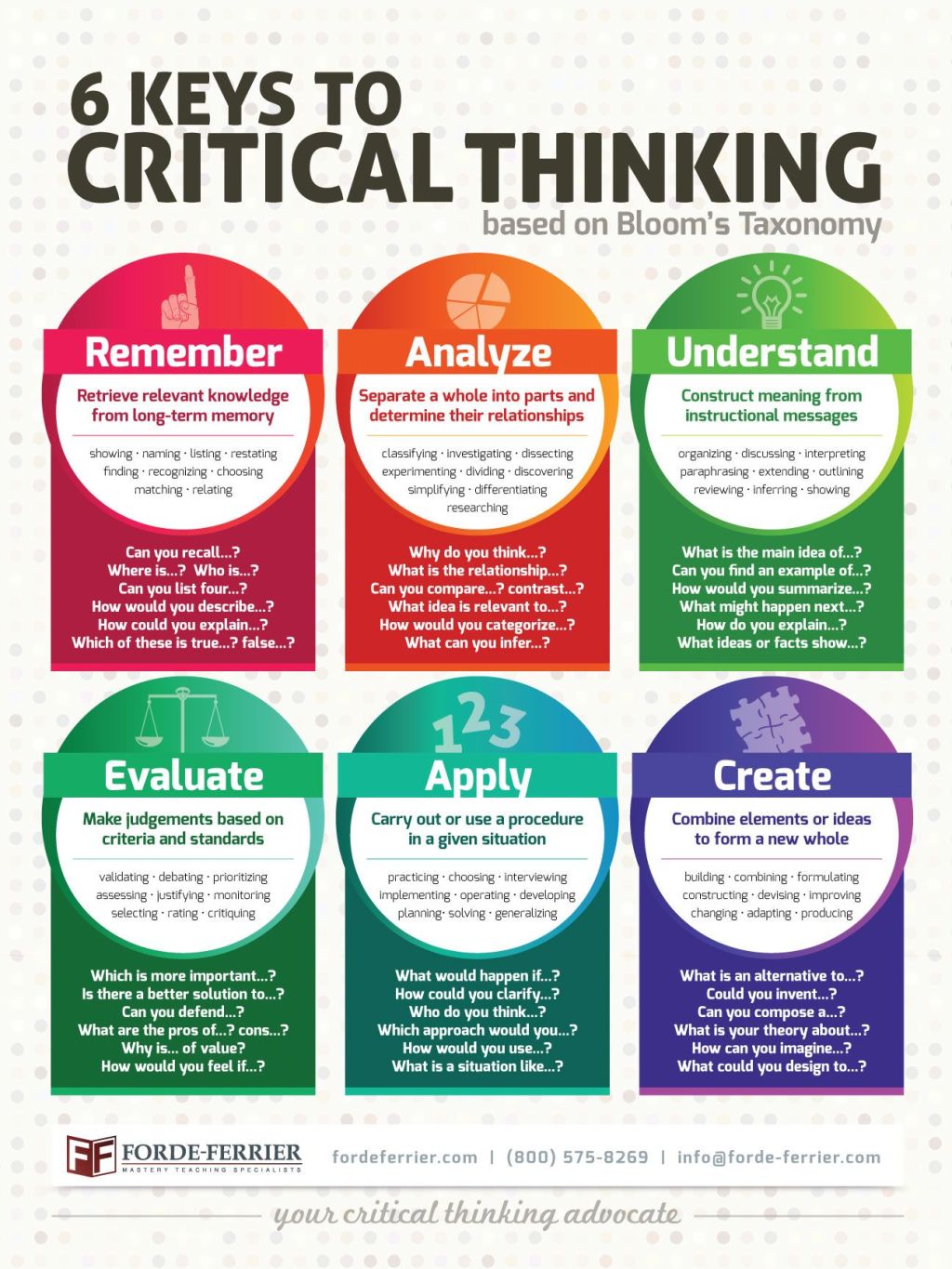
Critical thinking skills are essential for students to develop in order to navigate the complexities of the world and make informed decisions. In alternative schooling and education settings, fostering critical thinking abilities is often a key focus due to the emphasis on independent learning and creative problem-solving. One way to promote critical thinking skills in…
-
Empowering Twice-Exceptional Gifted Students: Nurturing Potential and Overcoming Challenges

Gifted education programs play a vital role in nurturing the potential of students who exhibit exceptional intellectual abilities. However, within this group, there exists a subset known as twice-exceptional students who possess both giftedness and learning disabilities. These students often face unique challenges as their strengths and weaknesses can mask each other, making it difficult…
-
Empowering Parents: Key to Gifted Education Success

Parent involvement is crucial in the success of gifted education programs. Here are some commonly asked questions about parent involvement in gifted education: Q: Why is parent involvement important in gifted education? A: Parent involvement plays a vital role in supporting and nurturing the unique needs of gifted students. Parents can provide valuable insights into…
-
Unveiling the Hidden Talents: Alternative Assessments for Identifying Gifted Students
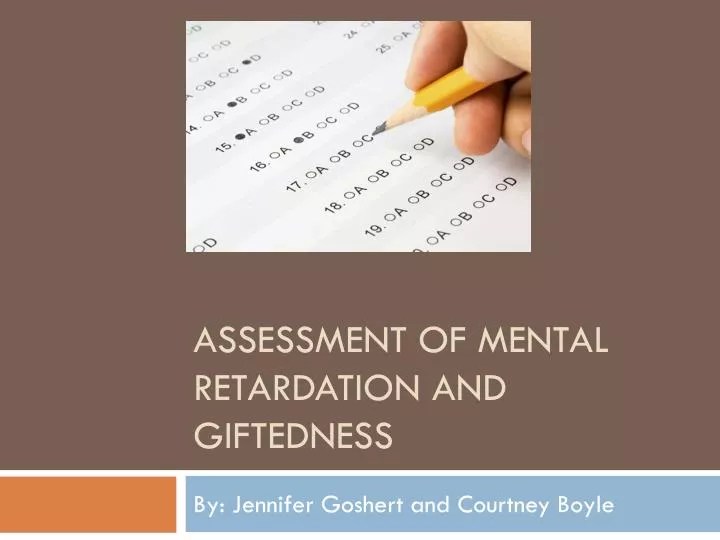
Identifying giftedness in students is crucial to ensure that they receive the appropriate educational support and opportunities to reach their full potential. While traditional assessments such as standardized tests have been commonly used for this purpose, there is a growing recognition of the limitations of these assessments in capturing the diverse talents and strengths of…
-
Empowering Student Success Through Problem-Based Learning
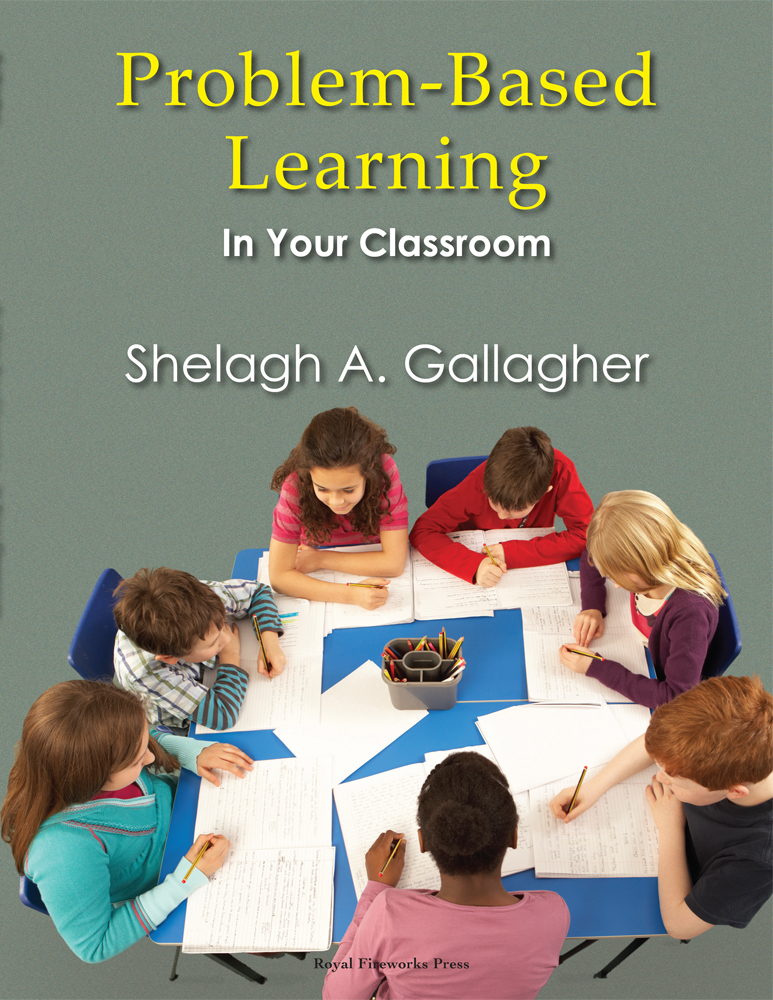
Problem-based learning (PBL) is a student-centered pedagogy that encourages active learning through the exploration and solution of complex, real-world problems. It is an educational approach that empowers students to develop critical thinking skills, collaborative abilities, and practical knowledge by engaging them in authentic challenges. Originating from medical education in the 1960s, PBL has since expanded…
-
Empowering Twice-Exceptional Gifted Learners: Nurturing Potential and Creativity

Gifted students who also have learning disabilities, known as twice-exceptional (2e) learners, often face unique challenges in the educational system. These students possess exceptional intellectual abilities alongside specific learning difficulties, such as dyslexia or ADHD. Identifying and supporting 2e students is crucial to ensure they receive appropriate accommodations and opportunities to reach their full potential.…
-
Empowering Gifted Learners Through Technology Integration
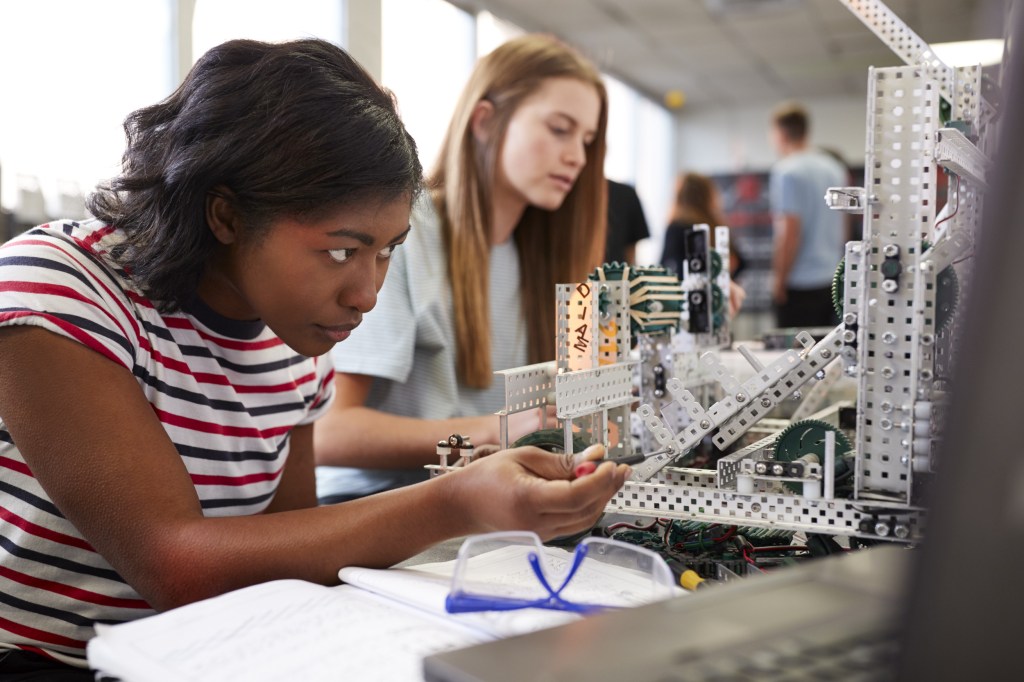
Technology integration in gifted education has become a crucial aspect of providing enriched and personalized learning experiences for advanced learners. By incorporating technology into the curriculum, educators can cater to the unique needs and interests of gifted students while fostering creativity, critical thinking, collaboration, and problem-solving skills. One of the key benefits of technology integration…
-
Empowering Success: The Power of Individualized Education Plans (IEPs)

Individualized Education Plans (IEPs) are crucial tools in ensuring that students with special needs receive the appropriate support and accommodations to help them succeed academically. These customized plans outline the specific goals, services, and interventions tailored to meet each student’s unique learning needs. One of the key benefits of an IEP is its individualized nature.…
-
Maximizing Learning Potential: The Power of Cluster Grouping for High-Achieving Students
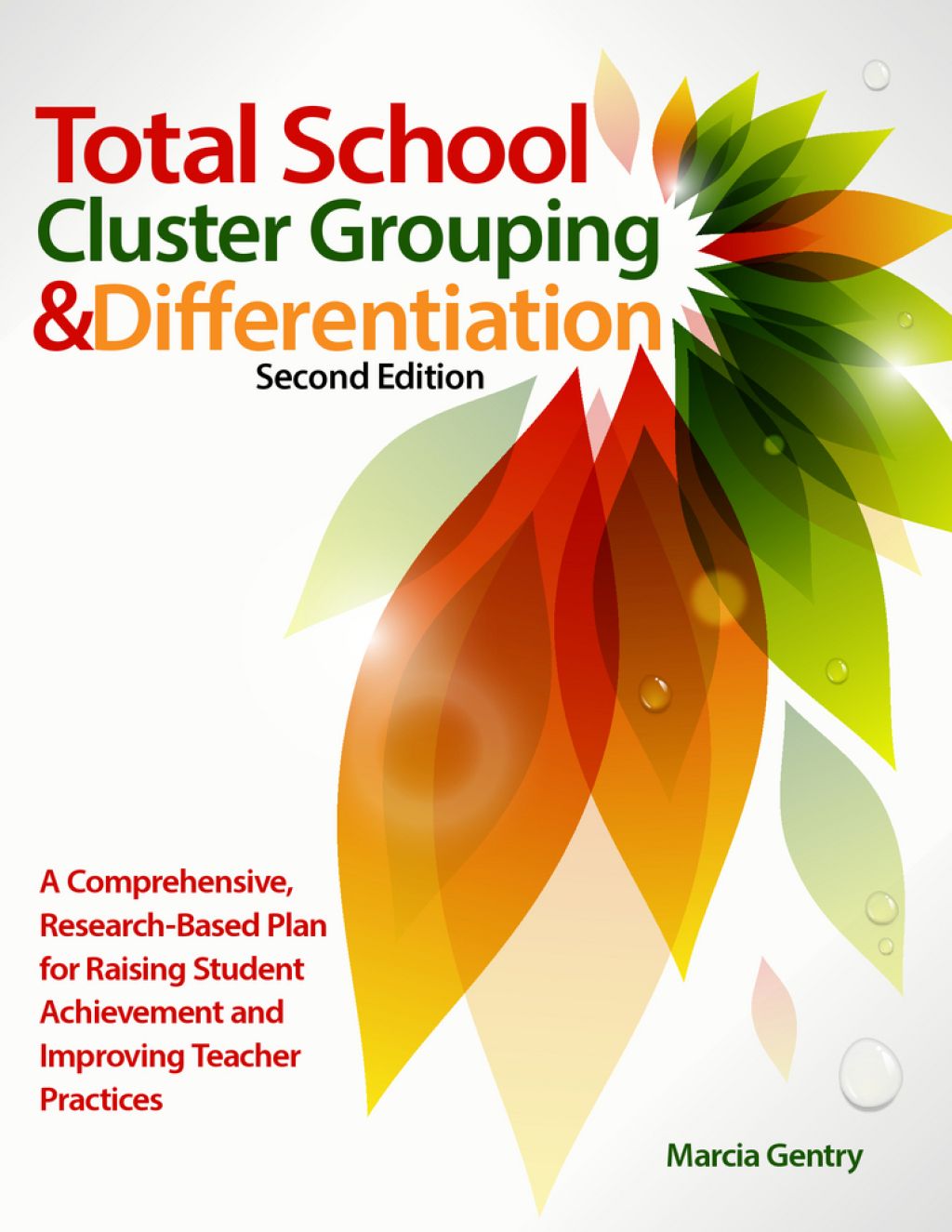
Cluster grouping is a widely recognized and effective method of organizing students in educational settings to meet their diverse learning needs. This approach involves placing academically gifted or high-achieving students together in the same classroom or group, allowing them to work at an accelerated pace and delve deeper into challenging material. By clustering these students…
-
Unlocking Potential: The Power of Cluster Grouping for Gifted Students
Cluster grouping is a widely recognized and effective strategy in education that aims to meet the needs of gifted and talented students within mixed-ability classrooms. By grouping these advanced learners together, educators can provide more targeted instruction, challenging curriculum, and opportunities for social interaction with intellectual peers. In this article, we will explore the benefits…
 Alternative Amie