Category: Forest schools
-
Forest Kindergarten: The Unique Alternative to Traditional Education
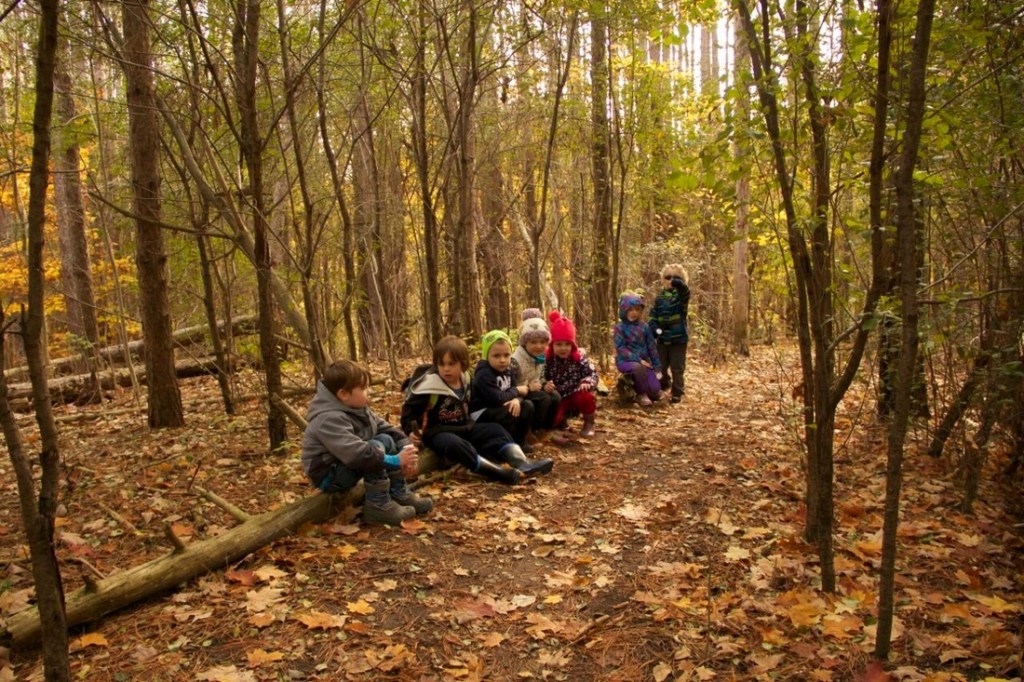
Forest Kindergarten: A Unique Alternative to Traditional Education In recent years, many parents have been exploring alternative forms of education for their children. One such option that is gaining popularity is forest kindergarten. Forest kindergarten, also known as outdoor or nature-based preschool, is a type of early childhood education that takes place almost entirely outside…
-
“Nature-Based Learning: The Classroom Without Walls”

Nature-based learning is an approach to education that uses the natural world as a classroom. It focuses on using nature and outdoor environments to provide hands-on learning experiences for students of all ages. Nature-based learning has gained popularity in recent years, with many schools and educational institutions incorporating it into their curriculums. In this post,…
-
“Mindfulness in Nature Education: Helping Children Build Resilience and Awareness Outdoors”

Mindfulness in Nature Education: A Guide to Help Children Build Resilience, Awareness, and Self-Regulation In today’s fast-paced world, the majority of children spend most of their time indoors on electronic devices or attending structured activities. While these experiences can be valuable for learning and development, they often lack the benefits that come from spending time…
-
Unlock the Secrets of Nature: Mastering Animal Tracking and Identification.

Animal tracking and identification are essential skills for anyone interested in understanding the natural world around them. Whether you’re a nature enthusiast, biologist, or someone who simply enjoys spending time outdoors, knowing how to identify and track different animals can enhance your experience in many ways. To start with animal tracking, it is important to…
-
The Benefits and Precautions of Risk-Taking and Safety in Nature-Based Education Programs

Risk-taking and Safety in Nature Alternative education is often associated with unconventional teaching methods, such as experiential learning, outdoor education, and adventure-based activities. These approaches encourage students to step out of their comfort zones, take risks, and explore the natural world. However, some parents and educators may question the safety of these activities and wonder…
-
Growing Together: The Benefits of Community Gardening for Children.

Community gardening initiatives have become increasingly popular in recent years, and for good reason. These programs provide children with an opportunity to learn about the environment, healthy eating habits, teamwork and responsibility. Community gardens are typically shared plots of land where individuals or groups can come together to grow plants and vegetables. Many of these…
-
8 Ways to Foster Eco-Literacy in Alternative Education and Schools

Eco-literacy is a crucial part of modern education, as it teaches individuals to understand the impact that humans have on the environment and how they can help preserve our planet. In today’s world, where climate change and pollution are pressing issues, developing eco-literacy skills is more important than ever before. Here are eight ways to…
-
Discover the Benefits of Place-Based Learning for Children

Place-based learning is an approach to education that emphasizes the importance of the local environment and community in shaping students’ educational experiences. This method of learning involves using the natural and cultural resources available within a specific geographic region, such as parks, museums, historical sites, or local businesses, to teach students about various subjects. There…
 Alternative Amie