Category: Competency-Based Education
-
Revolutionizing Assessment: Rubrics and Grading Criteria for Alternative Schooling

Rubrics and Grading Criteria for Alternative Schooling Alternative schooling is an effective way to provide a customized learning experience that caters to the unique needs of students. Unlike traditional education, alternative schools offer a more flexible curriculum, individualized instruction, and personalized assessment tools. One such tool is the use of rubrics and grading criteria. Rubrics…
-
“Revolutionizing Education: The Power of Personalized Learning”

Personalized Learning: A New Approach to Education In recent years, there has been a growing trend in the field of education towards personalized learning. This approach recognizes that every student is unique and learns differently, so it tailors instruction to meet individual needs, interests, and abilities. Unlike traditional classroom teaching methods where students are taught…
-
“Revolutionizing Education: The Rise of Blended Learning in Schools”
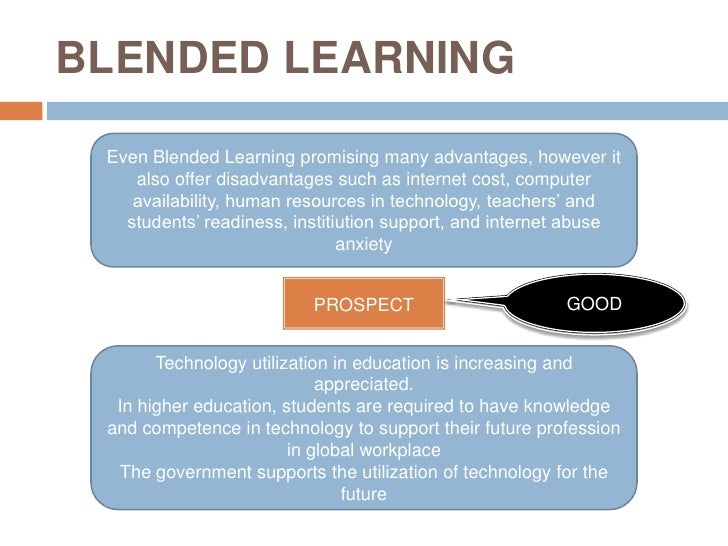
Blended learning is a term used to describe the combination of traditional face-to-face instruction with online or digital learning. It has been around for many years, but it was not until recently that it gained popularity and became an essential part of many educational institutions. Blended learning offers several advantages over traditional classroom-based instruction. For…
-
Why Teacher Training and Development is Key to Success in Alternative Schools

Teacher Training and Development: The Key to Success in Alternative Schooling Alternative schooling has been growing in popularity over the years, as more parents seek educational options that better suit their children’s unique needs. However, alternative schools require a different approach when it comes to teacher training and development. In this post, we will explore…
-
Unlock Your Potential: Prior Learning Assessment and Recognition (PLAR) Offers Pathway to Formal Education Recognition.
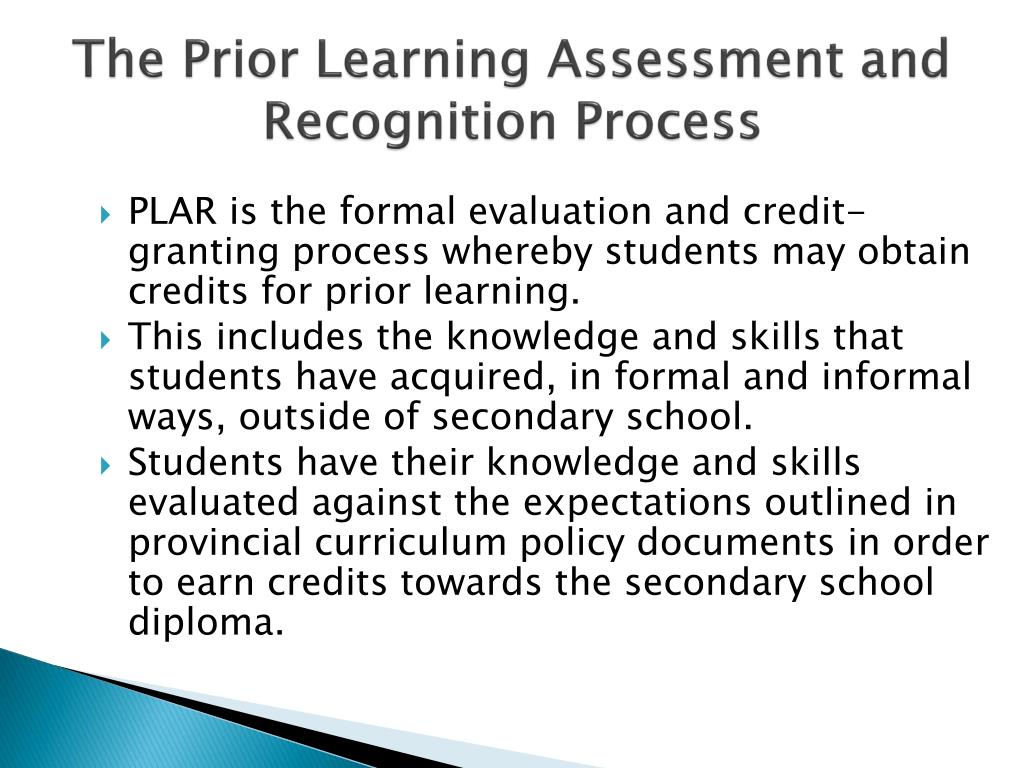
Prior Learning Assessment and Recognition (PLAR) is a process that recognizes learning acquired outside of formal education systems. It can include knowledge gained through work experience, self-directed study, volunteer work, or other relevant experiences. PLAR provides individuals with an opportunity to demonstrate their knowledge and skills and receive academic credit towards completed programs. PLAR is…
-
Entrepreneurship: The Key to Unlocking Your Dreams

Entrepreneurship: The Path to Achieving Your Dreams Entrepreneurship is the art of creating a business or organization to solve problems and meet the needs of people. It is not limited to a particular field but cuts across all sectors. Entrepreneurs are individuals who have an unquenchable thirst for success, innovative thinking, determination, creativity, and risk-taking…
-
The Benefits of Online Learning: Flexibility, Customization, Affordability and More!

Online learning has become an increasingly popular alternative to traditional classroom education. With the development of technology and the internet, online courses have become more accessible and affordable for learners all around the world. In this article, we will explore some of the benefits of online learning. Flexibility: One of the most significant advantages of…
-
Dwayne “The Rock” Johnson Advocates for Alternative Education and Giving Back to the Community

Dwayne Johnson, popularly known as The Rock, is a Hollywood icon and professional wrestler who has made waves in the entertainment industry. However, what many people don’t know is that he’s also an advocate for alternative schooling and education. Johnson had a tough childhood growing up in Hawaii where his family struggled financially. He was…
-
Unlock Your Potential: How Prior Learning Assessment and Recognition Can Help You Save Time and Money While Earning a Degree or Certification

Prior Learning Assessment and Recognition (PLAR) is a process that evaluates the knowledge, skills, and experience of individuals for academic credit or recognition. It is an essential tool in alternative schooling and education because it acknowledges the learning acquired outside traditional classrooms. PLAR takes into account previous experiences such as work experience, volunteering, military service,…
-
“Transforming Education: The Benefits and Challenges of Experiential Learning”

Experiential learning is a unique approach to education that aims to provide students with practical, hands-on experiences in order to enhance their understanding of the subject matter. Unlike traditional classroom-based learning, experiential learning focuses on real-world applications that allow students to engage in problem-solving and critical thinking. One of the benefits of experiential learning is…
 Alternative Amie