Category: Collaborative Learning
-
Unlocking Academic and Social Success: The Power of Collaborative Learning

Collaborative learning is an educational approach that emphasizes group work, cooperation, and shared responsibility among students. While it has long been recognized as a powerful tool for academic development, recent research has also shed light on its significant impact on social-emotional development. In traditional classroom settings, students often engage in individual tasks and compete against…
-
Navigating the Obstacles: Implementing Collaborative Learning in Alternative Schools

Challenges of Implementing Collaborative Learning in Alternative Schools Alternative schools aim to provide a unique and personalized learning experience for students, often through non-traditional teaching methods. One such method is collaborative learning, where students work together in groups to solve problems, discuss ideas, and share knowledge. While collaborative learning has many benefits, implementing it in…
-
Promoting Cultural Diversity and Inclusivity in Collaborative Learning Settings

Promoting cultural diversity and inclusivity in collaborative learning settings: Collaborative learning is an approach that encourages students to work together in groups, fostering a sense of community and shared responsibility for their own education. This method has gained popularity in alternative schooling environments as it promotes active engagement, critical thinking, problem-solving skills, and creativity among…
-
Unlocking the Power of Cross-Curricular Collaboration: A Path to Holistic Education

Cross-curricular collaboration is an essential aspect of alternative schooling and education. It promotes a holistic approach to learning by integrating various subjects and disciplines, allowing students to make connections and see the relevance of their studies in real-world contexts. In this Q&A style post, we will explore the benefits of cross-curricular collaboration, how it can…
-
Unlocking the Power of Connection: The Key to Effective Communication Skills

Communication Skills: Unlocking the Power of Connection Introduction: In today’s fast-paced world, effective communication skills have become more important than ever. The ability to express oneself clearly, listen actively, and understand others’ perspectives is crucial in personal relationships, professional settings, and every aspect of life. Alternative schooling and education embrace the development of these essential…
-
“Collaborative Problem-Solving: Empowering Students for Real-Life Success”
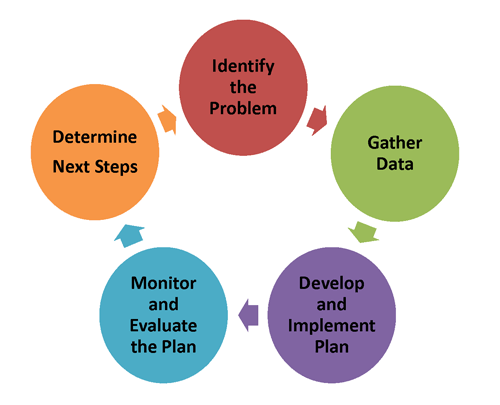
Collaborative problem-solving is a powerful tool that nurtures critical thinking, communication skills, and teamwork. In traditional educational settings, the emphasis often lies on individual achievement and competition. However, alternative schooling and education methods recognize the importance of collaboration in preparing students for real-life challenges. When students engage in collaborative problem-solving activities, they learn to listen…
-
“Alternative Education: Fostering Social-Emotional Skills through Collaborative Learning”

Integrating Social-Emotional Skills Development into Collaborative Learning in Alternative Education Alternative education approaches have gained significant attention in recent years, as educators recognize the need for more personalized and inclusive learning environments. These alternative schools prioritize a holistic approach to education, addressing not only academic development but also social and emotional growth. One effective way…
-
The Power of Collaboration: Empowering Students Through Dynamic Learning

The role of the teacher in facilitating collaborative learning is crucial to creating a dynamic and engaging learning environment. Collaborative learning allows students to work together, share ideas, and solve problems collectively. It promotes active engagement, critical thinking, and social skills development. As a teacher, your role is not only to impart knowledge but also…
-
“Collaborative Learning: Empowering Students in Alternative Schools”
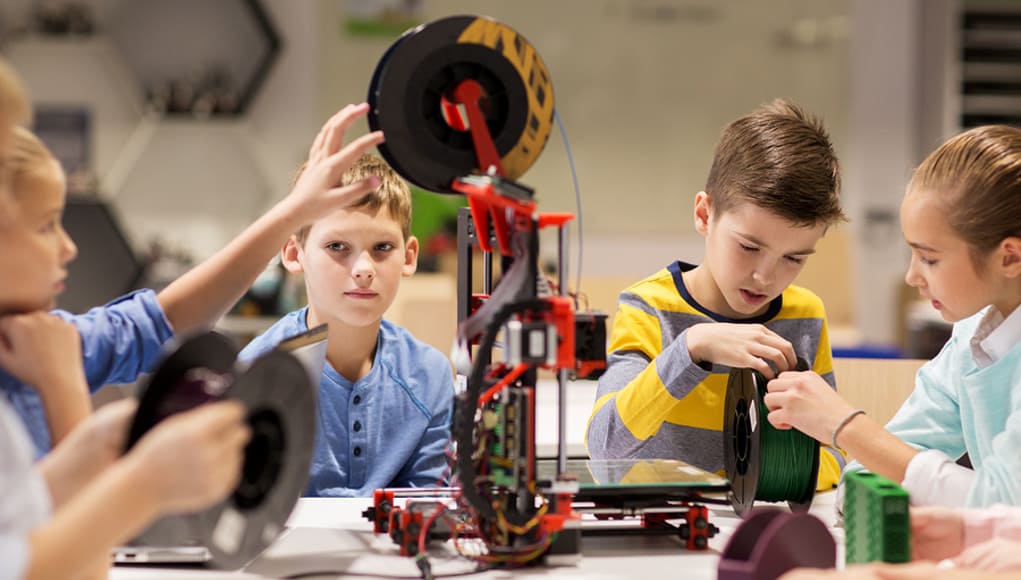
Project-based learning in alternative schools is gaining increasing popularity as a way to engage students in hands-on, authentic learning experiences. Instead of traditional classroom instruction, students work on projects that require them to apply their knowledge and skills to real-world problems or challenges. One of the key benefits of project-based learning is that it promotes…
-
Maximizing Collaborative Learning: The Power of Reflection and Self-Assessment

The Role of Reflection and Self-Assessment in Collaborative Learning Collaborative learning is an approach to education that emphasizes working together in groups or teams to solve problems, discuss ideas, and learn from one another. It encourages active participation and engagement among students, fostering a sense of ownership over their own learning. In order to maximize…
 Alternative Amie