Category: Child-led learning
-
Unleashing the Power of Child-Led Learning: Alternative Education Approaches

Unschooling and child-led learning: Unschooling is a progressive educational philosophy that promotes child-led learning. It believes in allowing children to explore their interests and passions, rather than following a structured curriculum. This approach emphasizes the natural curiosity and innate desire for knowledge that children possess. In an unschooling environment, parents act as facilitators, supporting their…
-
Unlocking the Potential of Alternative Education: Play-Based Learning

Play-Based Learning: Unlocking the Potential of Alternative Education In traditional education, one often envisions a classroom filled with students sitting at desks, listening to lectures, and taking tests. However, there is a growing movement towards alternative schooling and education methods that prioritize play-based learning. This approach recognizes the value of play in fostering creativity, problem-solving…
-
Empowering Students: The Power of Self-Directed Learning

Self-directed learning is a unique approach to education that empowers students to take control of their own learning journey. Unlike traditional educational models where teachers dictate the curriculum and pace, self-directed learning encourages students to explore their interests, set goals, and develop critical thinking skills. At the heart of self-directed learning is the belief that…
-
15 Reasons Why Waldorf Education Might Be the Perfect Fit for Your Child
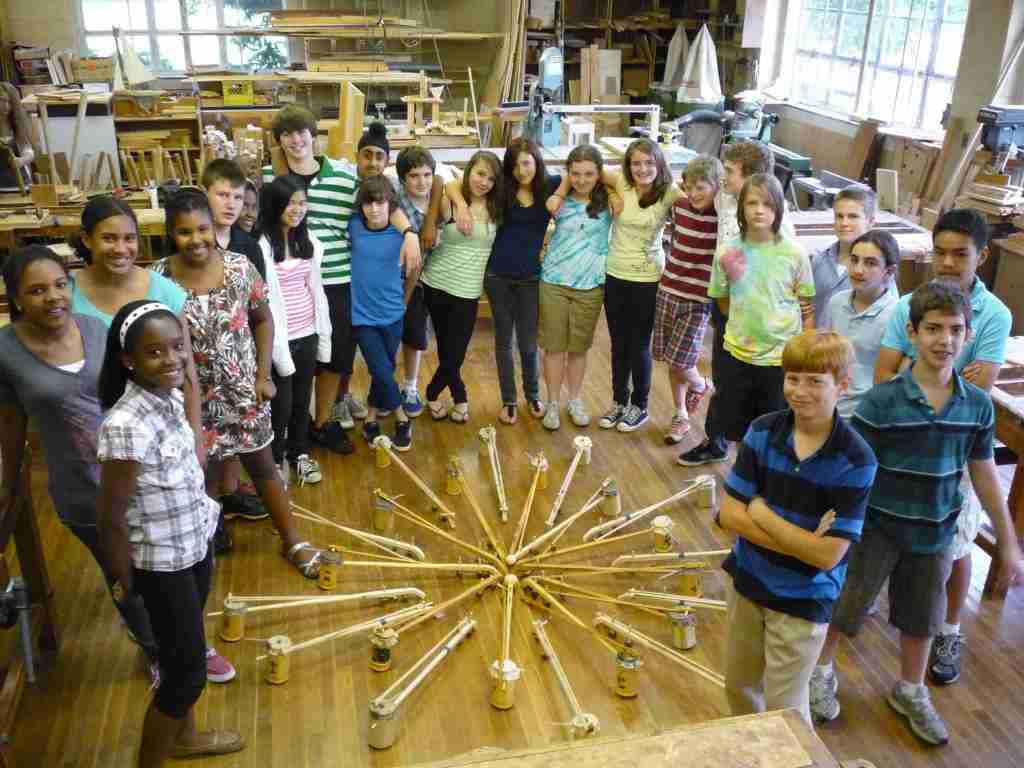
Waldorf Education is a unique approach to education that has gained popularity in recent years. Developed by Rudolf Steiner in the early 20th century, Waldorf Education emphasizes the importance of creativity, imagination, and holistic learning. Here are 15 reasons why Waldorf Education may be the perfect fit for your child: 1. Child-Centered Learning: In Waldorf…
-
“Step Outside the Classroom: Nature-Based Education Takes Learning to New Heights”
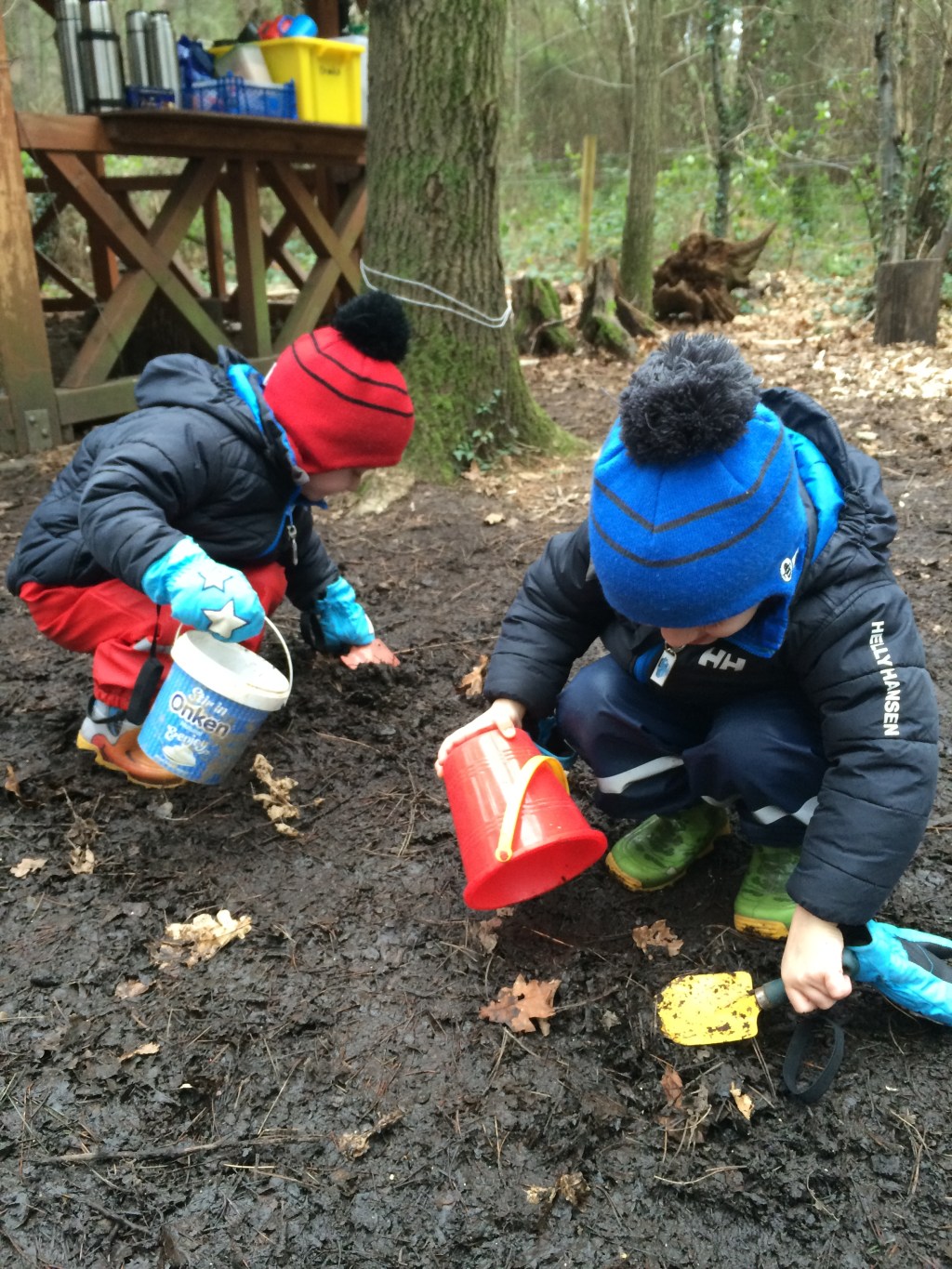
Nature-based education is a growing trend in alternative schooling and education. It involves learning outside of the traditional classroom setting, immersing students in natural environments to facilitate experiential learning. This approach emphasizes outdoor experiences and hands-on activities that promote critical thinking, creativity, curiosity, problem-solving skills, and an appreciation for nature. Nature-based education offers many benefits…
-
“Reggio Emilia Approach: Empowering Children as Active Learners through Play-Based Education”
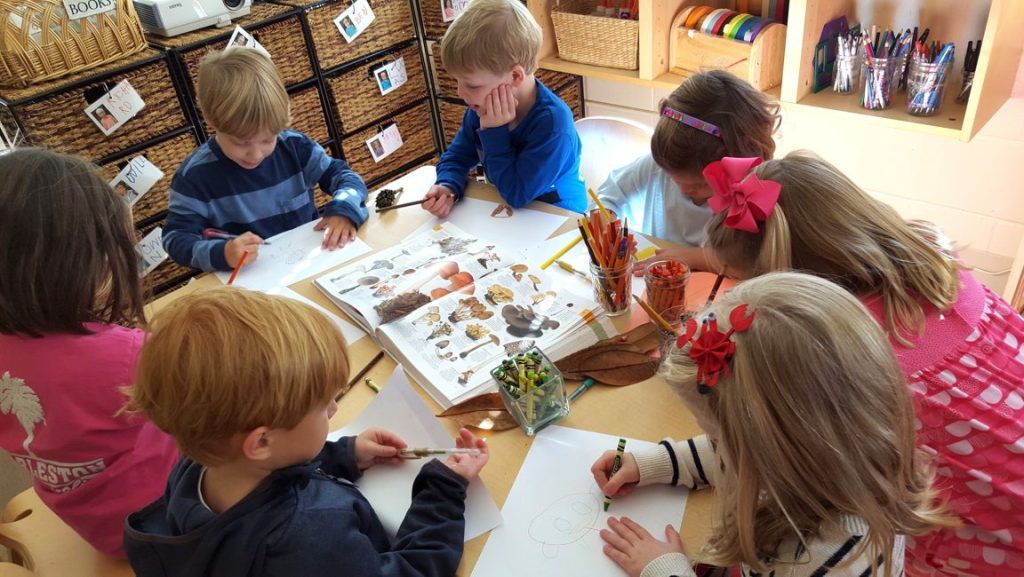
The Reggio Emilia approach is a child-centered educational philosophy that originated in the northern Italian town of Reggio Emilia after World War II. It is an alternative form of education that values children as capable and competent learners who are active participants in their own learning process. This approach is based on the belief that…
-
Exploring the Montessori Methodology: A Child-Centered Approach to Education

Montessori Methodology Explained Alternative schooling and education have gained popularity in recent years, and the Montessori Methodology is one of the most well-known approaches. Developed by Dr. Maria Montessori over a century ago, this approach emphasizes independence, freedom within limits, and hands-on learning to help children reach their full potential. In this post, we will…
-
Unleashing the Power of Student-Led Learning: The Unschooling Revolution

Unschooling is an alternative method of education that emphasizes student-led learning and autonomy. Unlike traditional schooling, unschooling does not involve a set curriculum or schedule. Instead, students are encouraged to pursue their interests and passions in order to learn about the world around them. One of the main principles of unschooling is trust in children’s…
-
“Experiential Learning: The Key to Real-World Success in Education”
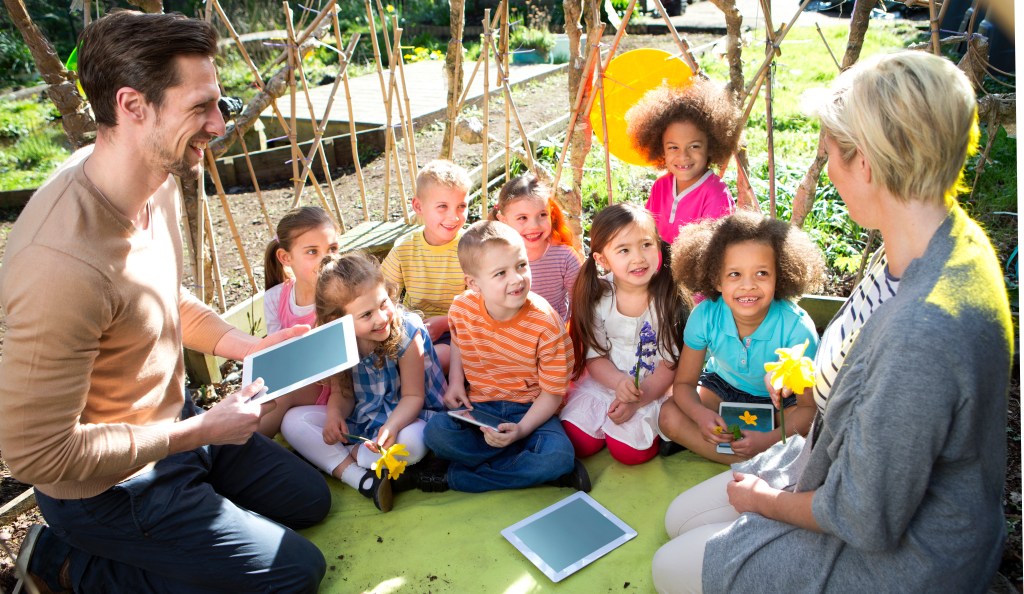
Experiential learning is a method of education that emphasizes practical, hands-on experiences. Rather than simply reading about or discussing a topic, students engage with it directly through activities such as experiments, simulations, projects, and field trips. This approach to education has gained attention in recent years due to its ability to provide students with valuable…
-
Worldschooling: The Ultimate Way to Educate and Explore the World

Worldschooling: A Unique Approach to Education When it comes to education, there is no one-size-fits-all approach. Worldschooling has emerged as a unique and alternative way of educating children that emphasizes experiential learning in real-life situations while traveling the world. Worldschooling is an educational philosophy that combines travel with learning. It involves exposing children to different…
 Alternative Amie