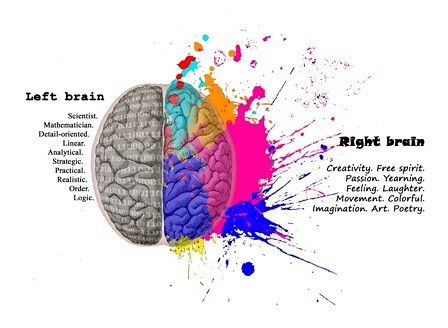
Neuroplasticity refers to the brain’s ability to reorganize itself by forming new neural connections throughout life. This concept has significant implications for education, as it suggests that the brain can adapt and change in response to learning experiences. By understanding neuroplasticity, educators can design instructional strategies that optimize students’ cognitive development.
One key aspect of fostering neuroplasticity in students is promoting a growth mindset. Coined by psychologist Carol Dweck, a growth mindset is the belief that abilities and intelligence can be developed through dedication and hard work. Encouraging students to adopt a growth mindset can lead to increased motivation, resilience, and ultimately, improved academic performance.
Another important consideration in education is the theory of multiple intelligences proposed by Howard Gardner. According to Gardner, individuals possess different types of intelligence beyond traditional measures such as IQ. By recognizing and catering to these diverse intelligences—such as musical-rhythmic, interpersonal, or spatial—educators can create inclusive learning environments that cater to all learners’ strengths.
Mindfulness practices have gained popularity in schools for their ability to enhance attention regulation and emotional well-being among students. Techniques such as deep breathing exercises, meditation, and mindful awareness help cultivate self-awareness and reduce stress levels—an essential component of effective learning. You might also find The Hidden Cost of People-Pleasing (And How to Rec… interesting. For more insights, check out our article on Creative Font Keyboards: A Surprisingly ….
Brain breaks are short mental rest periods incorporated into lessons or study sessions to combat mental fatigue and improve focus. These brief interludes allow students to recharge their cognitive resources before returning to tasks with renewed energy and concentration. For more insights, check out our article on Screen Time Boundaries That Actually Wor….
Emotional regulation techniques play a crucial role in creating a positive classroom climate conducive to learning. Teaching students how to manage their emotions effectively equips them with valuable skills for navigating challenges both inside and outside the classroom.
Memory strategies are essential tools for optimizing information retention and recall. Techniques like spaced repetition, mnemonic devices, visualization, and chunking help students encode information more effectively into long-term memory.
Executive functioning skills encompass a set of cognitive processes responsible for goal-directed behavior—including planning, organization, time management, impulse control, and working memory—that are critical for academic success. Educators can support the development of these skills through explicit instruction and targeted interventions tailored to individual student needs.
Inquiry-based learning emphasizes active exploration through questioning, investigation, reflection on findings—a pedagogical approach that fosters curiosity creativity critical thinking problem-solving skills among learners increase engagement independence ownership over their educational journey project-based learning offers opportunities real-world application collaboration while developing communication teamwork innovative solutions metacognition involves self-regulation monitoring one’s own thinking processes understanding applying various strategies optimize performance cognitive load theory explores how mental effort impacts learning retention balancing intrinsic extraneous elements maximize instructional effectiveness
Learning styles preferences refer individual differences preferred modalities processing information visual auditory kinesthetic tactile olfactory gustatory rather fixed labels fluid dynamic range situations contexts preferences dopamine neurotransmitter associated pleasure reward plays role motivation reinforcement mechanisms intrinsic extrinsic drive desire learn engage activities sleep quality quantity crucial maintaining optimal cognitive function consolidation memories enhancing problem-solving creativity supporting overall well-being nutrition impact health diet rich nutrients vitamins minerals omega-3 fatty acids antioxidants positively influence brain function mood cognition stress management imperative helping cope demands pressures school life incorporating relaxation techniques mindfulness physical exercise social support outlets express emotions promote resilience adaptability movement physical activity linked improved academic performance better attention span enhanced mood overall health social-emotional emphasizes intrapersonal interpersonal competencies empathy self-awareness relationship building conflict resolution decision-making coping mechanisms nurturing environment fosters holistic development children creativity stimulates divergent thinking imagination innovation creativity-related regions activation imaginative pursuits art music storytelling dance foster creative expression experimentation risk-taking originality exploration insights connections across disciplines encourage novel approaches problem-solving challenges embrace mistakes failures iteration feedback loops cultivate sense wonder awe appreciation beauty critical thinking flexibility open-mindedness accepting viewpoints perspectives contribute innovative solutions complex problems article delves various aspects alternative schooling education shedding light interconnected nature factors influence student outcomes success comprehensive understanding inform educational practices policies ultimately benefit learners diverse backgrounds abilities interests
Check These Out:
🚀 Discover powerful productivity tools at Smorgi Apps
🎯 Download BubbleText Keyboard from the App Store
🎯 Get MindfulAI Keyboard to improve your experience
To enhance your wellness practice with custom audio content, [ElevenLabs](https://try.elevenlabs.io/w95mzlppyxor) offers realistic voice generation for guided sessions.
Many productivity enthusiasts find valuable tools and resources at [Smorgi Apps](https://smorgi.app) to optimize their daily routines.
 Alternative Amie
Leave a comment