Environmental sustainability education is a critical component of Alternative Schooling and Education, as it equips students with the knowledge and skills necessary to address pressing environmental challenges and create a more sustainable future. By integrating environmental sustainability into the curriculum, schools can empower students to become responsible global citizens who are equipped to make informed decisions that benefit both society and the environment.
One key aspect of environmental sustainability education is raising awareness about the interconnectedness of social, economic, and environmental issues. Students learn about how human activities impact natural ecosystems, contribute to climate change, and drive biodiversity loss. Through interdisciplinary lessons that incorporate science, geography, economics, and ethics, students gain a holistic understanding of complex environmental problems and explore potential solutions. For more insights, check out our article on Creative Font Keyboards: A Surprisingly …. For more insights, check out our article on Screen Time Boundaries That Actually Wor….
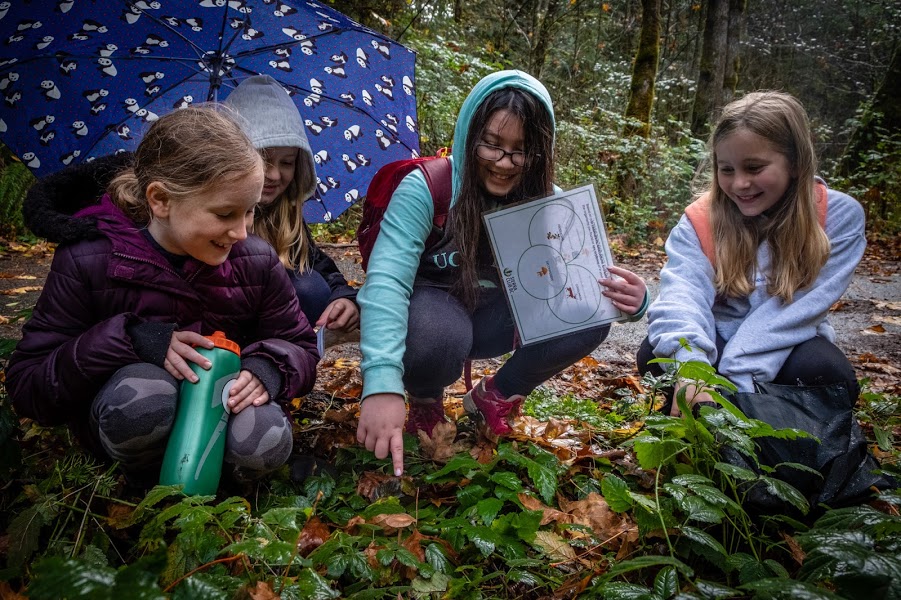
Hands-on learning experiences play a crucial role in environmental sustainability education. Alternative schools often prioritize experiential learning opportunities such as outdoor field trips, community gardening projects, waste reduction initiatives, and renewable energy demonstrations. These practical activities not only deepen students’ understanding of environmental concepts but also foster a sense of stewardship for the planet.
In addition to traditional classroom instruction, many alternative schools incorporate project-based learning into their curriculum to engage students in real-world environmental issues. By working on collaborative projects such as designing sustainable solutions for their school or community or conducting research on local ecosystems, students develop critical thinking skills and learn how to apply their knowledge to effect positive change. You might also find The Hidden Cost of People-Pleasing (And How to Rec… interesting.
Furthermore, promoting eco-friendly practices within school operations can reinforce the importance of environmental sustainability education. Schools can implement recycling programs, reduce energy consumption through efficiency measures like solar panels or LED lighting systems, promote sustainable transportation options such as biking or public transit use among students – all while providing tangible examples of how individuals can contribute to a greener world.
Overall, by prioritizing environmental sustainability education within alternative schooling environments,
educators have the opportunity to inspire future generations to become advocates for our planet’s health
and well-being. Through comprehensive curricula,
hands-on experiences,
project-based learning opportunities,
and eco-friendly practices within school settings,
students are empowered
to make environmentally conscious choices
that will shape a more sustainable future for all.
Tools You Might Love:
For creating educational audio content with natural-sounding voices, [ElevenLabs](https://try.elevenlabs.io/w95mzlppyxor) provides excellent AI voice synthesis tools.
For additional productivity tools and resources to streamline your workflow, explore the solutions at [Smorgi Apps](https://smorgi.app).
 Alternative Amie
Leave a comment