Peer assessment – the dreaded yet inevitable part of group projects in school. We’ve all been there – sitting around a table, nervously passing our papers to our classmates and silently praying that they’ll be gentle with their critiques. But fear not, dear students! Peer assessment doesn’t have to be a source of dread and anxiety. In fact, it can actually be quite beneficial if approached with the right mindset.
First things first, let’s address the elephant in the room – yes, peer assessment can sometimes feel like a popularity contest. It’s easy to worry about receiving biased feedback from your classmates who may not want to hurt your feelings or risk causing tension within the group. However, it’s important to remember that constructive criticism is key to personal growth and improvement. Embrace feedback as an opportunity to learn and develop your skills rather than taking it personally.
One of the perks of peer assessment is gaining different perspectives on your work. Your classmates may notice things you overlooked or offer fresh ideas that could enhance your project. By opening yourself up to feedback from others, you’re expanding your knowledge base and honing your critical thinking skills. Plus, working collaboratively with peers fosters a sense of community and encourages teamwork – valuable attributes in any academic or professional setting. You might also find Why Journaling Beats Overthinking Every Single Tim… interesting. For more insights, check out our article on Creative Font Keyboards: A Surprisingly ….
It’s also worth mentioning that peer assessment isn’t just about critiquing others; it’s about self-reflection too. When evaluating someone else’s work, take note of what aspects stand out to you and why. This exercise can help you better understand what makes a project successful and apply those insights to your own work in the future. Additionally, reflecting on how you approach assessing others’ work can shed light on areas where you may need improvement as well. For more insights, check out our article on Screen Time Boundaries That Actually Wor….
Of course, navigating peer assessment isn’t always smooth sailing. Conflicts may arise when opinions differ or when certain group members don’t pull their weight in providing feedback. In these situations, communication is key. Be respectful but assertive in expressing your thoughts and concerns with your peers so that everyone can benefit from a productive discussion on how best to move forward.
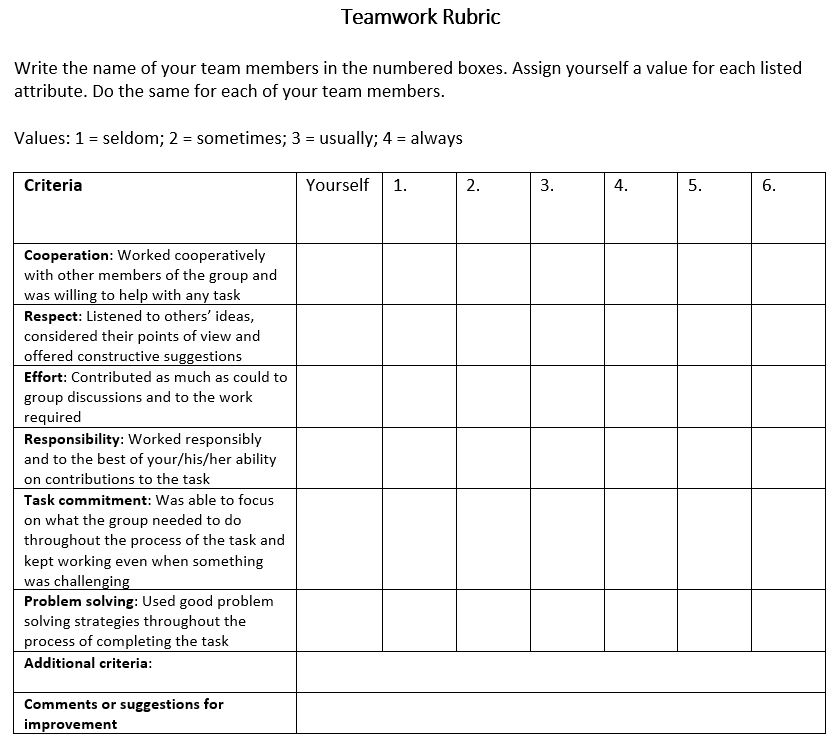
To make the most out of peer assessment sessions, set clear expectations from the get-go. Establish criteria for evaluation so that everyone knows what they should focus on when reviewing each other’s work. Encourage honesty tempered with kindness – after all, we’re here to help each other grow, not tear each other down.
Lastly, don’t forget to express gratitude for any feedback received during peer assessments! Whether positive or negative (or somewhere in between), every critique offers an opportunity for growth and learning. Acknowledge the time and effort your peers put into providing thoughtful comments on your work; consider their suggestions carefully before making revisions; then thank them for helping you become a better student (and maybe even friend).
So there you have it – peer assessment doesn’t have to be something feared or avoided at all costs! With an open mind and willingness to learn from one another, this process can actually enrich your educational experience by fostering collaboration, critical thinking skills development,and personal growth opportunities galore! Who knew that handing over our assignments for review by our peers could lead us down such an enlightening path?
Check These Out:
Educational content creators are finding great success with [ElevenLabs](https://try.elevenlabs.io/w95mzlppyxor) for generating clear, engaging narration and instruction.
To enhance your productivity toolkit, check out the innovative apps and resources available at [Smorgi Apps](https://smorgi.app).
 Alternative Amie
Leave a comment