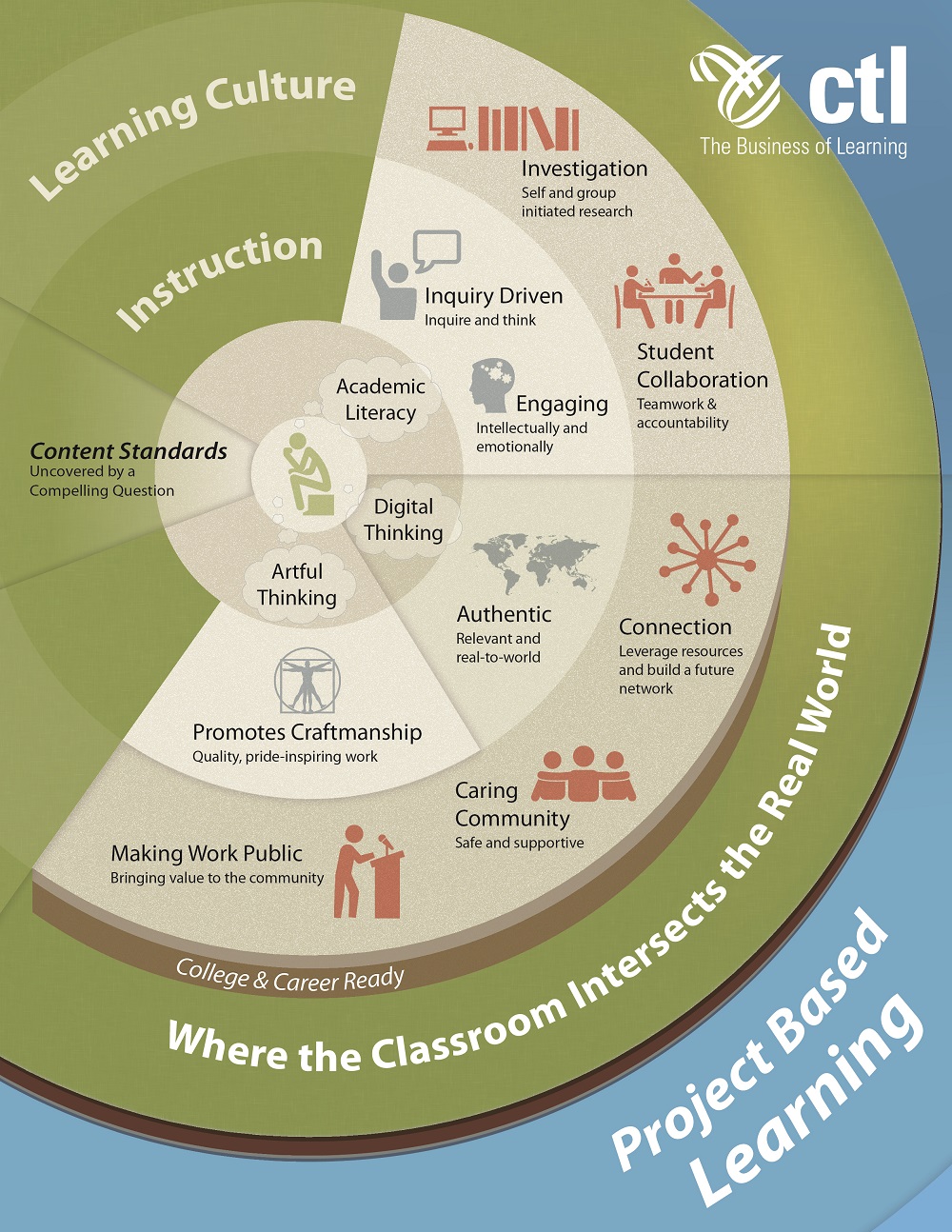
Project-based learning (PBL) has gained significant attention in the education field for its effectiveness in engaging students and promoting deeper understanding of content. PBL shifts the focus from traditional teacher-led instruction to student-driven exploration and inquiry, where students work on real-world projects that require critical thinking, collaboration, and problem-solving skills. In this article, we will explore various aspects of project-based learning, including outcomes assessment, integration of technology, special needs inclusion, interdisciplinary projects, project management skills development, student motivation and engagement, authentic assessment methods, cultural responsiveness, differentiation strategies, peer collaboration opportunities, social-emotional learning incorporation, environmental sustainability initiatives.
Assessing project-based learning outcomes is crucial to determine the effectiveness of PBL in achieving educational goals. Traditional assessments like tests and quizzes may not fully capture the range of skills developed through PBL. Instead, educators can use rubrics designed to evaluate not only content knowledge but also critical thinking abilities, communication skills, teamwork capabilities demonstrated by students during project presentations or performances. For more insights, check out our article on Creative Font Keyboards: A Surprisingly ….
Integrating technology in project-based learning can enhance student creativity and productivity. Technology tools such as online research resources, multimedia creation platforms like video editors or graphic design software can provide students with new ways to showcase their understanding of concepts learned during a project. Virtual collaborations with experts or peers from different locations can also enrich the learning experience by bringing diverse perspectives into the project. For more insights, check out our article on Screen Time Boundaries That Actually Wor….
Students with special needs should have equitable access to participate in PBL activities. Educators can differentiate instruction by providing alternative ways for these students to demonstrate their understanding or contribute meaningfully to group projects. Utilizing assistive technologies or providing additional support through paraprofessionals can help create an inclusive environment where all students feel valued and engaged in their learning.
Implementing interdisciplinary projects allows students to make connections across various subject areas and see how concepts are interconnected in real-life scenarios. By integrating science with art or math with history in a single project task, students develop a holistic understanding of complex issues while honing their analytical skills across disciplines. You might also find The Hidden Cost of People-Pleasing (And How to Rec… interesting.
Project management skills are essential for successful completion of PBL tasks. Students learn how to set goals, allocate resources effectively within a given timeline while collaborating with team members efficiently towards a common objective. These organizational and leadership abilities are transferable beyond the classroom setting into future academic pursuits or professional endeavors.
Motivating students is key to fostering active engagement in PBL experiences. Providing choice in selecting topics or assigning roles within groups empowers learners to take ownership of their projects leading to increased investment and commitment towards achieving quality outcomes.
Authentic assessment methods like portfolios showcasing completed projects along with reflections on the learning process offer a more comprehensive view of student growth over time compared to standardized tests alone.
Culturally responsive teaching practices should be integrated into PBL experiences ensuring that diverse perspectives are honored throughout project design and implementation processes reflecting the richness of multicultural backgrounds present within classrooms.
Differentiation strategies tailored towards individual student needs enable personalized learning experiences within group settings allowing each learner’s unique strengths contributions shine through collaboration efforts enhancing overall project quality output.
Peer collaboration opportunities promote social interaction among students fostering teamwork communication skills necessary for success both academically professionally later life situations requiring collaborative problem-solving approaches achieve shared objectives collectively
Incorporating social-emotional elements such empathy resilience self-awareness fosters well-rounded individuals capable navigating complexities society while maintaining mental emotional well-being sustainable manner
Environmental sustainability initiatives embedded within projects raise awareness about global ecological issues empowering students become agents positive change advocating solutions promoting sustainable lifestyles practices communities they inhabit
Global perspectives infused throughout curriculum expose learners varied cultural traditions societal norms encouraging open-mindedness tolerance diversity respect others viewpoints fostering global citizenship mindset essential navigating interconnected world
Adult learners benefit greatly from hands-on experiential approach offered by PBL enabling them apply theoretical knowledge practical situations relevant current professional contexts enhancing retention application acquired information workplace settings
Community partnerships play vital role connecting schools local organizations businesses nonprofits creating authentic contexts which engage meaningful service-learning opportunities benefiting both parties involved contributing community betterment collective action towards common goals
Career readiness emphasized through integration industry-relevant themes skill sets provides clear pathway bridging educational attainment workforce preparation equipping learners competencies needed succeed dynamic job market demands adaptability innovation resilience continuous improvement
Reflection self-assessment encouraged end each phase every completed task enables individuals assess progress identify areas improvement celebrate achievements encountered develop growth mindset continual lifelong growth development journey
Inquiry-driven projects spark curiosity investigation prompting deep exploration subjects encourage questioning critical analysis facilitating discovery novel solutions problems creative innovative manner pushing boundaries conventional thinking challenging status quo seeking excellence every endeavor undertaken
Helpful Resources:
⚡ Check out our innovative mobile apps at Smorgi Apps
✨ Download BubbleText Keyboard from the App Store
✨ Try MindfulAI Keyboard for enhanced productivity
Educational content creators are finding great success with [ElevenLabs](https://try.elevenlabs.io/w95mzlppyxor) for generating clear, engaging narration and instruction.
To enhance your productivity toolkit, check out the innovative apps and resources available at [Smorgi Apps](https://smorgi.app).
 Alternative Amie
Leave a comment