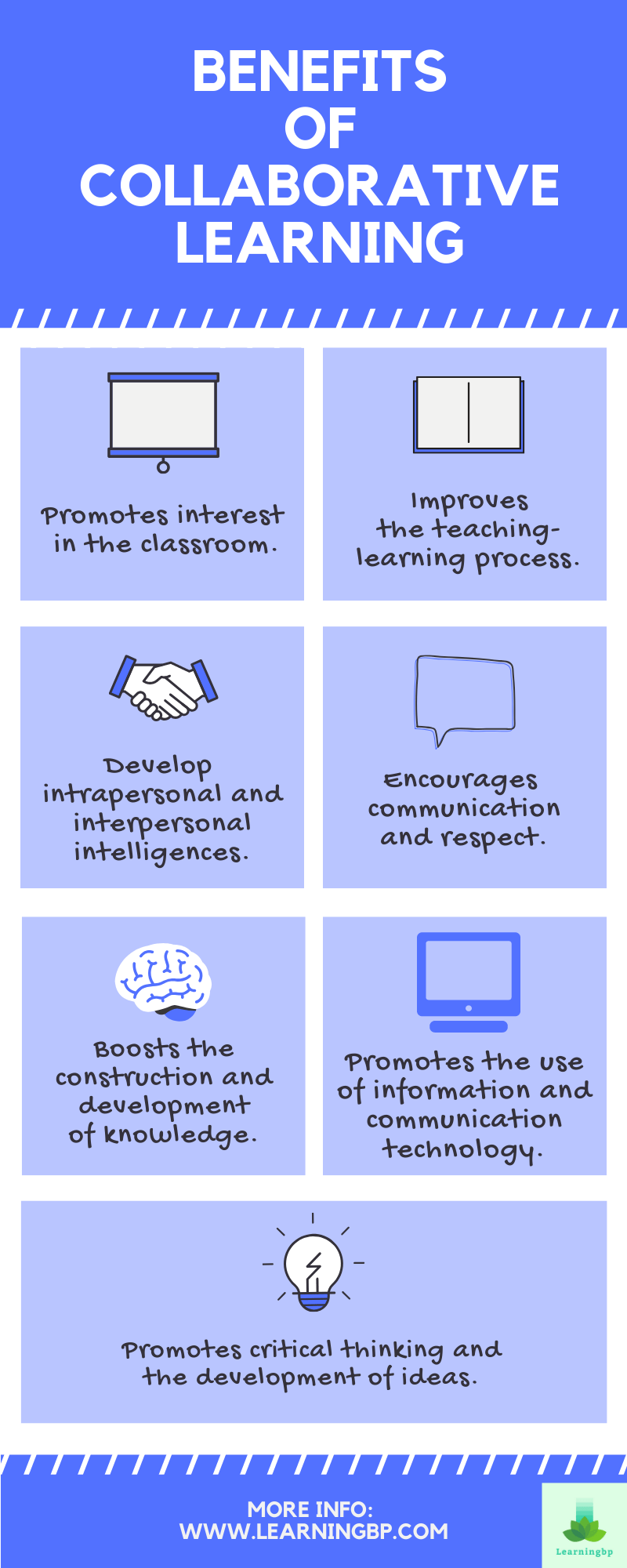
Collaborative learning is an essential component of modern education, allowing students to work together, share ideas, and learn from one another. However, it comes with its own set of challenges that need to be addressed for effective group work.
Peer assessment can be a valuable tool in collaborative learning, providing students with the opportunity to evaluate their peers’ contributions. However, it can also pose challenges such as bias or lack of expertise in evaluating others’ work accurately. To overcome this, clear criteria for evaluation should be established and training on how to provide constructive feedback could be beneficial.
Group dynamics play a crucial role in the success of collaborative learning. It is important to recognize that each group member brings unique strengths and perspectives to the table. Teachers can facilitate positive group dynamics by assigning roles based on individual strengths, fostering open communication among members, and addressing any conflicts that may arise promptly. For more insights, check out our article on Screen Time Boundaries That Actually Wor….
Incorporating technology into group projects can enhance collaboration by providing platforms for online discussions, file sharing, and real-time editing. However, ensuring equal access to technology resources for all students is essential to prevent disparities in participation. For more insights, check out our article on Creative Font Keyboards: A Surprisingly ….
Balancing individual contributions in team assignments is vital to ensure fair evaluation of each member’s input. Encouraging active participation from all group members and setting clear expectations for contribution levels can help maintain balance.
Cultural differences among group members can enrich collaborative settings but may also lead to misunderstandings or miscommunications. Creating a culturally inclusive environment where diverse perspectives are valued and promoting cross-cultural understanding can help address these challenges. You might also find Why Journaling Beats Overthinking Every Single Tim… interesting.
Communication barriers such as language differences or conflicting communication styles can hinder effective collaboration. Encouraging open dialogue, active listening, and utilizing multiple communication channels (verbal, written, visual) can aid in overcoming these barriers.
Fostering trust among group members is key to building strong collaborative relationships. Establishing shared goals, promoting mutual respect, and creating opportunities for teamwork and bonding activities can help cultivate trust within groups.
Conflicts are inevitable in any collaborative learning environment but handling them constructively is crucial for maintaining a positive atmosphere. Teaching conflict resolution skills and providing support for resolving disagreements peacefully are essential strategies for managing conflicts within groups effectively.
Evaluating the effectiveness of collaborative learning methods involves assessing not only academic outcomes but also interpersonal skills development and overall student engagement. Utilizing surveys, peer evaluations, teacher observations, and performance assessments can provide valuable insights into the impact of collaborative approaches on student learning outcomes.
Implementing peer tutoring programs within groups allows students to take on both teaching roles as well as learner roles. This reciprocal exchange promotes deeper understanding of concepts while fostering peer relationships built on knowledge-sharing.
Teacher facilitation plays a significant role in guiding students through the collaborative learning process by offering support when needed while allowing room for independent problem-solving and critical thinking development among students.
Promoting active participation in group discussions involves creating an inclusive environment where all voices are heard and valued. Encouraging shy or introverted students to contribute through small-group discussions or utilizing digital tools like chat features can help boost their confidence levels gradually over time
Enhancing critical thinking skills through collaboration requires posing thought-provoking questions that challenge students’ assumptions while encouraging them to justify their reasoning logically with evidence-based arguments during group tasks
Utilizing project-based learning approaches within groups fosters hands-on experiences where students apply theoretical knowledge into practical contexts collaboratively towards achieving tangible outcomes collectively
Supporting introverted students during collaborative tasks involves recognizing their preferred working styles which may include independent research before contributing ideas verbally; providing opportunities for written reflections; or smaller breakout sessions where they feel more comfortable expressing themselves without feeling overwhelmed by larger groups
Exploring different models of cooperative learning such as jigsaw technique (where each member becomes an expert on specific subtopic then teaches others), think-pair-share (pairing up individuals briefly discuss before sharing with whole class), or numbered heads together (group answer questions collectively using random selection method) offers varied ways engaging learners actively whilst leveraging diversity amongst participants
Building a sense community study groups entails establishing norms trust respect accountability amongst members foster safe supportive space conducive meaningful exchanges collaborations ultimately leading shared goal achievement
Encouraging self-regulated practices empowers learners taking ownership monitoring evaluating progress towards objectives independently thereby developing autonomy metacognitive awareness useful lifelong skillsets across various domains educational personal professional realms
Assessing individual performance fairly necessitates comprehensive criteria aligns task requirements assessment rubric whereby evaluators provide specific actionable feedback highlighting areas strength improvement impartial manner ensuring equitable treatment all contributors
Integrating social-emotional aspects teamwork emphasizes importance empathetic communication active listening emotional intelligence conflict resolution abilities cultivating positive interdependent relationships enhancing overall team cohesion productivity satisfaction
Overall implementing strategies outlined above aim optimize benefits derived from engaging cooperative endeavors promoting holistic growth individuals collective entities shaping enriched educational experience benefiting participants communities large alike
Recommended Tools:
If you’re interested in high-quality AI voice generation for your projects, check out [ElevenLabs](https://try.elevenlabs.io/w95mzlppyxor) for realistic voice synthesis.
To enhance your productivity toolkit, check out the innovative apps and resources available at [Smorgi Apps](https://smorgi.app).
 Alternative Amie
Leave a comment