Self-paced learning has gained popularity in recent years due to its flexibility and adaptability to individual needs and preferences. However, there are various aspects that can be incorporated into self-paced learning to enhance the overall experience for students. In this comprehensive guide, we will delve into a range of strategies and techniques that can maximize the benefits of self-paced learning.
Benefits of Incorporating Physical Activity into Self-Paced Learning:
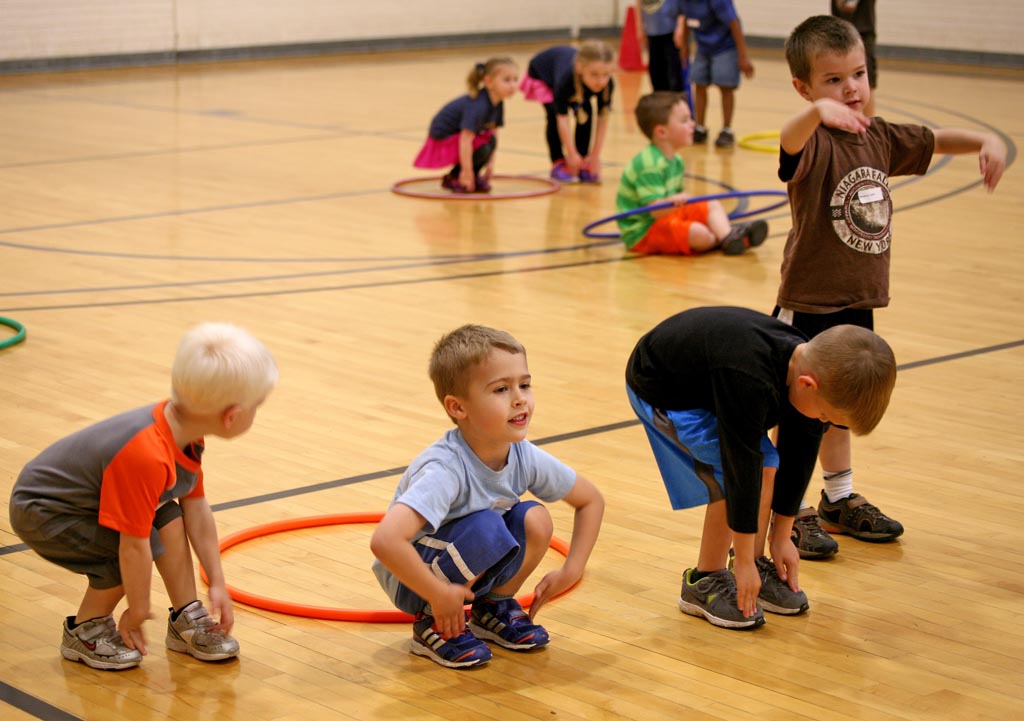
Physical activity plays a crucial role in enhancing cognitive function and overall well-being. When incorporated into self-paced learning, it can help improve focus, concentration, and memory retention. Encouraging students to take short breaks for physical activities like stretching, walking, or even engaging in more intense exercises can boost their energy levels and productivity. Additionally, physical activity has been linked to reduced stress levels and improved mood, which can contribute to a more positive learning experience. For more insights, check out our article on Creative Font Keyboards: A Surprisingly …. For more insights, check out our article on Screen Time Boundaries That Actually Wor….
Strategies for Promoting Social Interaction in Self-Paced Learning Environments:
While self-paced learning often focuses on independent study, social interaction is still essential for holistic development. To promote social interaction among students in self-paced environments, educators can organize virtual group discussions, collaborative projects, or peer mentoring programs. Creating online forums or discussion boards where students can interact with each other can also foster a sense of community and support network within the self-paced learning setting.
Exploring the Impact of Music on Concentration and Retention in Self-Paced Learning:
Music has been known to have a significant impact on cognitive functions such as focus and memory retention. Integrating background music or specific soundtracks tailored to different study tasks can help students stay engaged and concentrated during their self-paced learning sessions. Classical music or instrumental tracks are often recommended for studying as they have been shown to enhance concentration levels without being distracting. You might also find The Hidden Cost of People-Pleasing (And How to Rec… interesting.
Utilizing Mindfulness Techniques to Enhance Self-Paced Learning Experiences:
Mindfulness practices involve being fully present in the moment without judgment, which can be particularly beneficial for self-paced learners who may struggle with distractions or lack of motivation. Educators can introduce mindfulness techniques such as deep breathing exercises, meditation sessions, or guided visualization activities to help students cultivate awareness and reduce stress while studying independently.
Addressing Challenges Faced by Introverted Students in Self-Paced Learning Settings:
Introverted students may find it challenging to engage with peers or participate actively in group activities typical of traditional classrooms. In a self-paced learning environment, it is essential to provide introverted learners with opportunities for solo work while also encouraging them to connect with others through virtual platforms or small-group collaborations based on shared interests. Creating a balance between solitary study time and social interactions is key to supporting introverted students’ needs effectively.
Examining the Role of Creativity…
(Continued below)
Check These Out:
To take your audio content to the next level, [ElevenLabs](https://try.elevenlabs.io/w95mzlppyxor) provides industry-leading AI voice technology.
Many productivity enthusiasts find valuable tools and resources at [Smorgi Apps](https://smorgi.app) to optimize their daily routines.
 Alternative Amie
Leave a comment