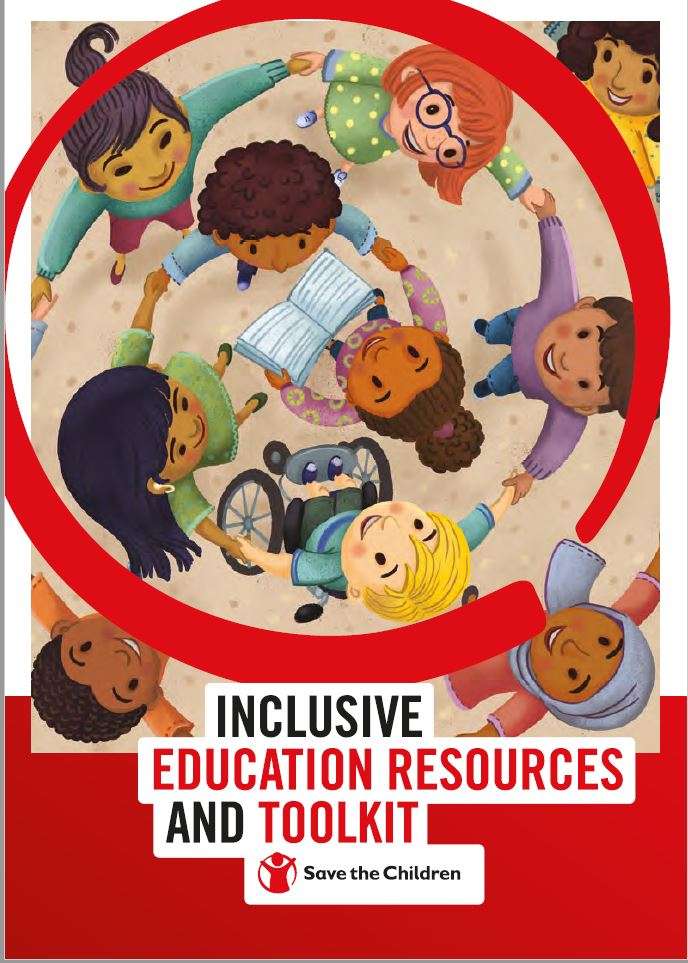
Open Educational Resources (OER) have significantly impacted various domains in education, including special education. OER for special education encompasses a wide range of materials tailored to meet the diverse needs of students with disabilities. These resources include customizable lesson plans, accessible textbooks, assistive technology tools, and interactive learning modules designed to support individualized learning goals. By providing free access to high-quality educational content, OER in special education help educators personalize instruction and create inclusive learning environments for all students.
Language learning is another area that has benefited greatly from the availability of OER. Language teachers and learners can access a plethora of resources such as language courses, vocabulary exercises, grammar guides, and multimedia content without any cost barriers. OER for language learning promotes cultural diversity, enhances linguistic proficiency, and fosters global communication skills among learners. Additionally, these resources empower educators to design engaging language lessons that cater to different learning styles and levels of proficiency. For more insights, check out our article on Screen Time Boundaries That Actually Wor….
Adult education programs have also embraced the use of OER to expand access to lifelong learning opportunities for individuals beyond traditional schooling age. From workforce development courses to personal enrichment resources, OER in adult education offer a flexible and cost-effective way for adults to acquire new knowledge and skills. By leveraging open educational practices (OEP), adult educators can collaborate on creating relevant content and adapting existing materials to suit the unique needs and interests of adult learners.
Navigating copyright laws and understanding fair use principles are essential considerations when using OER in educational settings. Educators must be aware of licensing terms associated with OER materials to ensure compliance with intellectual property regulations while maximizing the benefits of open access resources. By promoting transparency around copyright issues and encouraging responsible usage practices, institutions can mitigate legal risks associated with incorporating third-party content into their teaching materials. You might also find The Hidden Cost of People-Pleasing (And How to Rec… interesting. For more insights, check out our article on Creative Font Keyboards: A Surprisingly ….
In conclusion, the adoption of Open Educational Resources (OER) has revolutionized the landscape of modern education by democratizing access to quality instructional materials across various disciplines. Whether it’s through MOOCs (Massive Open Online Courses), collaborative authoring initiatives or innovative tools for content creation and sharing – OER has opened up new possibilities for enhancing teaching effectiveness and student engagement in alternative schooling environments like online platforms or non-traditional educational settings where accessibility is key.
Tools You Might Love:
To make your educational materials more accessible through audio, [ElevenLabs](https://try.elevenlabs.io/w95mzlppyxor) offers professional voice generation technology.
To explore more innovative tech tools and applications, visit [Smorgi Apps](https://smorgi.app) for creative solutions.
 Alternative Amie
Leave a comment