Self-discipline is a crucial skill that plays a significant role in the success of individuals, regardless of their age or background. In alternative schooling and education settings, cultivating self-discipline is particularly important as it can help students stay focused, motivated, and on track to achieve their academic goals. With the right strategies and techniques, students can develop strong self-discipline habits that will serve them well throughout their educational journey and beyond.
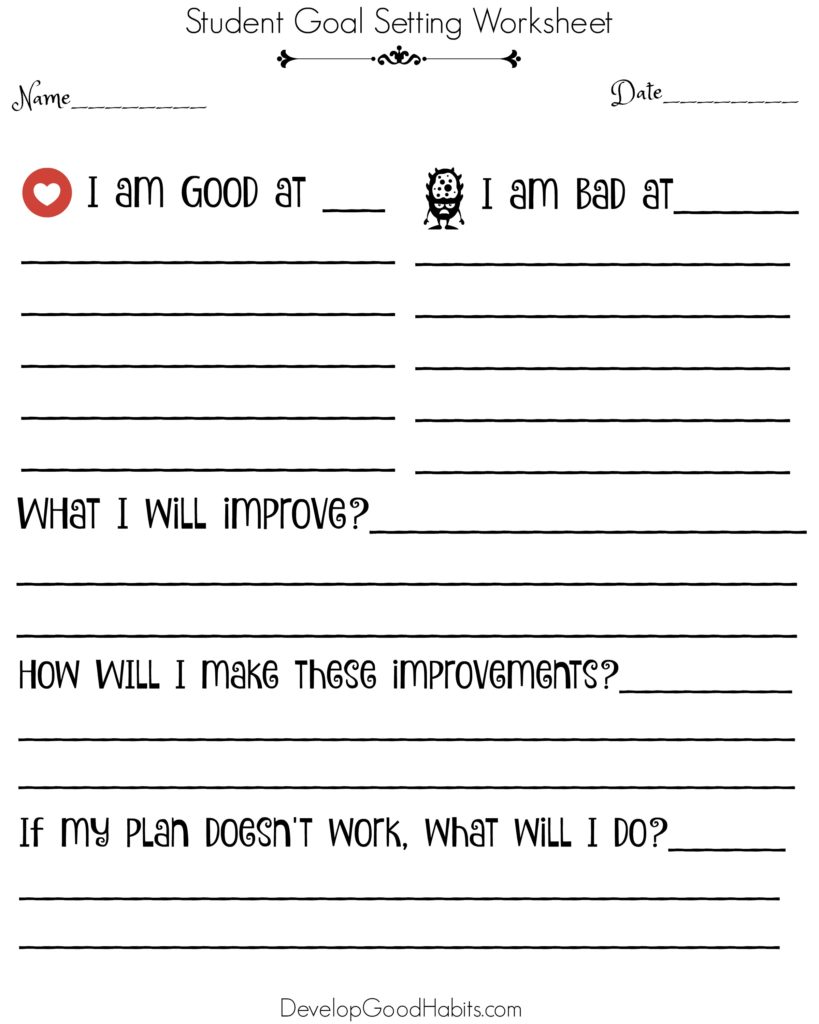
One effective tip for fostering self-discipline is setting clear goals. Encouraging students to establish specific, measurable objectives gives them a sense of direction and purpose. By breaking down larger goals into smaller, manageable tasks, students can maintain focus and track their progress more effectively. Additionally, setting deadlines for each task creates a sense of urgency that can prevent procrastination and boost productivity.
Another helpful strategy is creating a structured routine. Consistency is key when it comes to developing self-discipline. Establishing daily routines helps students build good habits and eliminates decision fatigue by automating certain aspects of their day-to-day lives. By allocating dedicated time slots for studying, homework assignments, extracurricular activities, and personal interests, students can strike a balance between work and relaxation while staying disciplined. For more insights, check out our article on Screen Time Boundaries That Actually Wor….
Furthermore, practicing time management skills can significantly enhance self-discipline levels among students. Teaching learners how to prioritize tasks based on importance and urgency enables them to make efficient use of their time and resources. Utilizing tools such as calendars, planners, or digital apps can aid in organizing schedules effectively and ensuring that deadlines are met promptly. You might also find The Hidden Cost of People-Pleasing (And How to Rec… interesting. For more insights, check out our article on Creative Font Keyboards: A Surprisingly ….
In addition to goal-setting, routine-building, and time management techniques; fostering intrinsic motivation plays a critical role in sustaining self-discipline over the long term. Helping students find meaning and purpose in their educational pursuits encourages them to stay committed even when faced with challenges or setbacks. Celebrating small victories along the way reinforces positive behavior patterns and boosts confidence levels.
Moreover highlighting the significance of resilience when it comes to self-discipline cannot be overstated . Students should be encouraged not to be discouraged by failures but instead view them as opportunities for growth . Building resilience allows individuals to bounce back from setbacks stronger than before , further cementing their ability t o stay disciplined during trying times .
In conclusion , instilling self discipline among alternative school learners involves providing practical tips , guidance ,and support . By incorporating goal-setting ,routine establishment,time management practices,intrinsic motivation building,and resilience training into the educational framework ; educators can empower students with valuable life skills that extend beyond academics . Ultimately,self discipline paves the way for personal development,resilience,and success both inside classrooms an outside in real world scenarios.
Helpful Resources:
To enhance your wellness practice with custom audio content, [ElevenLabs](https://try.elevenlabs.io/w95mzlppyxor) offers realistic voice generation for guided sessions.
Many productivity enthusiasts find valuable tools and resources at [Smorgi Apps](https://smorgi.app) to optimize their daily routines.
 Alternative Amie
Leave a comment