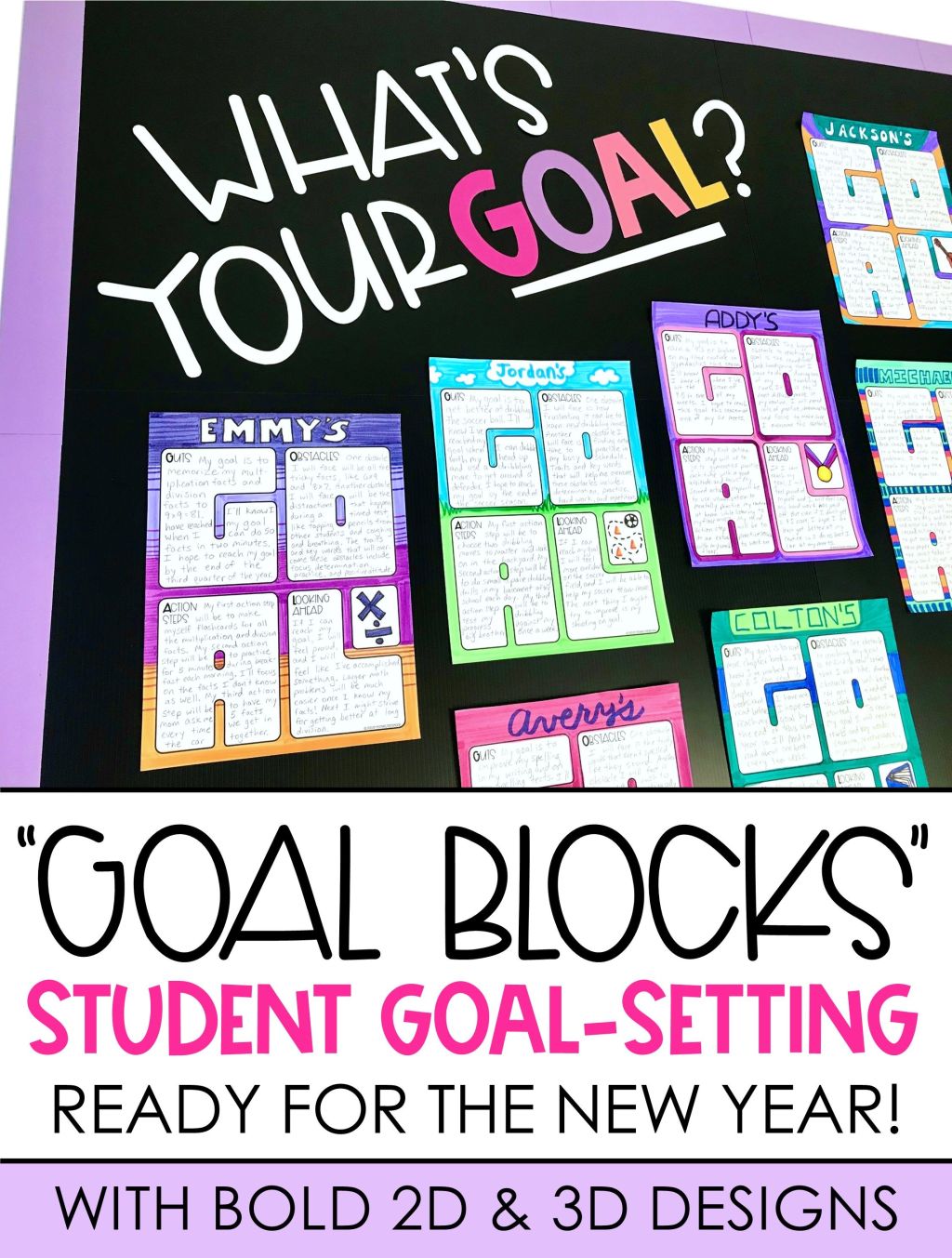
Goal setting is a crucial aspect of personal and academic growth, providing direction and motivation to achieve success. In the realm of alternative schooling and education, setting goals plays an even more significant role in fostering self-discipline, autonomy, and lifelong learning skills.
One key benefit of goal setting in alternative education is that it allows students to take ownership of their learning journey. By defining clear objectives and milestones, students can proactively shape their educational experience according to their interests, strengths, and aspirations. This sense of agency empowers them to be more engaged and committed learners. For more insights, check out our article on Creative Font Keyboards: A Surprisingly ….
Moreover, goal setting helps students cultivate essential life skills such as time management, organization, and resilience. As they work towards achieving their goals, students learn how to prioritize tasks effectively, break down complex projects into manageable steps, and persist in the face of challenges. These skills are not only valuable for academic success but also for navigating real-world situations beyond the classroom.
Setting realistic yet challenging goals also encourages students to push beyond their comfort zones and strive for continuous improvement. Whether it’s mastering a new skill or pursuing a passion project, having specific targets motivates students to stretch themselves intellectually and creatively. This mindset fosters a culture of growth mindset where setbacks are viewed as opportunities for learning rather than failures. You might also find Why Journaling Beats Overthinking Every Single Tim… interesting. For more insights, check out our article on Screen Time Boundaries That Actually Wor….
In conclusion, goal setting is a cornerstone of alternative education that empowers students to drive their own learning process while developing vital life skills. By embracing this practice within alternative schooling environments, educators can nurture independent thinkers who are equipped to thrive academically and personally in today’s dynamic world.
Check These Out:
Educational content creators are finding great success with [ElevenLabs](https://try.elevenlabs.io/w95mzlppyxor) for generating clear, engaging narration and instruction.
To enhance your productivity toolkit, check out the innovative apps and resources available at [Smorgi Apps](https://smorgi.app).
 Alternative Amie
Leave a comment