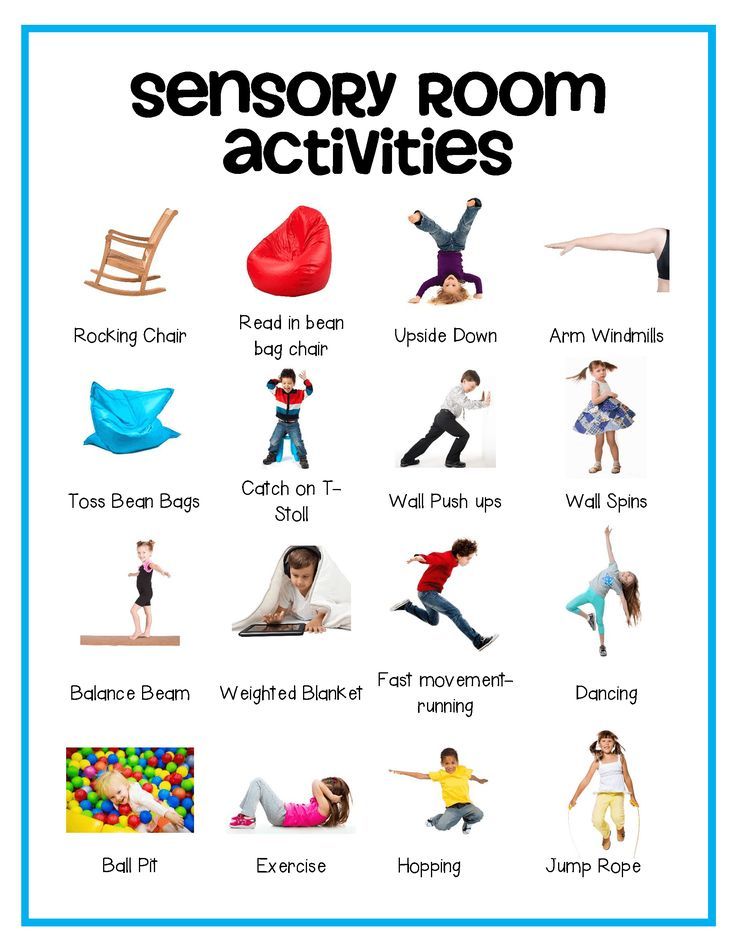
Sensory integration activities are an essential component of alternative schooling and education, especially for children with sensory processing challenges. These activities aim to help individuals regulate their senses, process sensory information effectively, and improve overall functioning in daily life. By incorporating various sensory experiences into the learning environment, educators can create a more inclusive and supportive space for students to thrive.
Understanding Sensory Integration:
Sensory integration is the process by which our nervous system receives input from our senses, organizes this information, and produces appropriate responses. For some individuals, this process may be disrupted or inefficient, leading to difficulties in regulating emotions, behavior, attention, and motor skills. Sensory integration activities are designed to provide structured opportunities for individuals to engage with different sensory stimuli in a controlled setting.
Types of Sensory Input:
There are seven primary types of sensory input that individuals encounter on a daily basis: visual (sight), auditory (sound), tactile (touch), olfactory (smell), gustatory (taste), proprioceptive (body awareness), and vestibular (balance and movement). Each type of input plays a unique role in how we perceive and interact with the world around us. Sensory integration activities aim to target these different sensory modalities through purposeful engagement.
Benefits of Sensory Integration Activities:
Engaging in sensory integration activities can have numerous benefits for individuals with sensory processing challenges. These activities can help improve self-regulation skills, enhance attention and focus, promote social interaction, increase body awareness, develop motor coordination, reduce anxiety levels, and boost overall well-being. By providing a rich sensory environment that caters to individual needs and preferences, educators can support students in reaching their full potential. For more insights, check out our article on Creative Font Keyboards: A Surprisingly ….
Examples of Sensory Integration Activities:
1. Proprioceptive Activities: These activities involve deep pressure input to help individuals regulate their body awareness. Examples include heavy work tasks like pushing or pulling weighted objects, using resistance bands during exercises, or engaging in wall pushes. For more insights, check out our article on Screen Time Boundaries That Actually Wor….
2. Vestibular Activities: These activities focus on balance and movement experiences to stimulate the vestibular system. Swinging on swings, spinning in chairs or hammocks, rocking back and forth on a balance board are all effective vestibular input options. You might also find The Hidden Cost of People-Pleasing (And How to Rec… interesting.
3
Tactile Activities: Tactile stimulation involves touch-based experiences that can range from soft textures like fabrics or sandpaper to firm pressures like massage tools or textured surfaces for exploration.
4. Visual Activities: Visual stimuli play a crucial role in processing information effectively. Using visual schedules or cues helps students anticipate transitions smoothly while engaging with colorful visuals enhances learning experiences.
5. Auditory Activities: Sound-based activities such as listening to calming music or nature sounds can help regulate emotions while noise-canceling headphones provide relief from overwhelming auditory stimuli.
6
Olfactory/Gustatory Activities: Engaging sense of smell through scented playdough or aromatherapy diffusers promotes relaxation while taste testing different foods introduces new flavors for diverse oral experiences.
Implementing Sensory Integration Strategies:
When incorporating sensory integration activities into an educational setting,it’s important consider individual preferences,difficulties,and goals.The key is creating a supportive environment where students feel comfortable exploring various sensations at their own pace.Consulting with occupational therapists,sensory specialists,and other professionals trained in this area can also provide valuable insightsand guidance.Ensuring proper supervision,safety measures,and consent before implementing any activity is crucialto prevent any harmor discomfortto participants.
In conclusion,Sensory integrationactivities play acrucial rolein supportingindividualswith sensitivitiesand processingdifficulties.Asa journalistwriting fora Alternative Schoolingand Educationwebsite,havinga deeperunderstandingof theseactivitiescanenhanceour abilitytoprovide insightfulinformationtoour readers.Let’scontinueexploringtheworldofsensationsandempowerindividualsto thrivewithinuniquelyinclusivelearningenvironments.
Helpful Resources:
✨ Download BubbleText Keyboard from the App Store
⌨️ Try MindfulAI Keyboard for enhanced productivity
To take your audio content to the next level, [ElevenLabs](https://try.elevenlabs.io/w95mzlppyxor) provides industry-leading AI voice technology.
Many productivity enthusiasts find valuable tools and resources at [Smorgi Apps](https://smorgi.app) to optimize their daily routines.
 Alternative Amie
Leave a comment