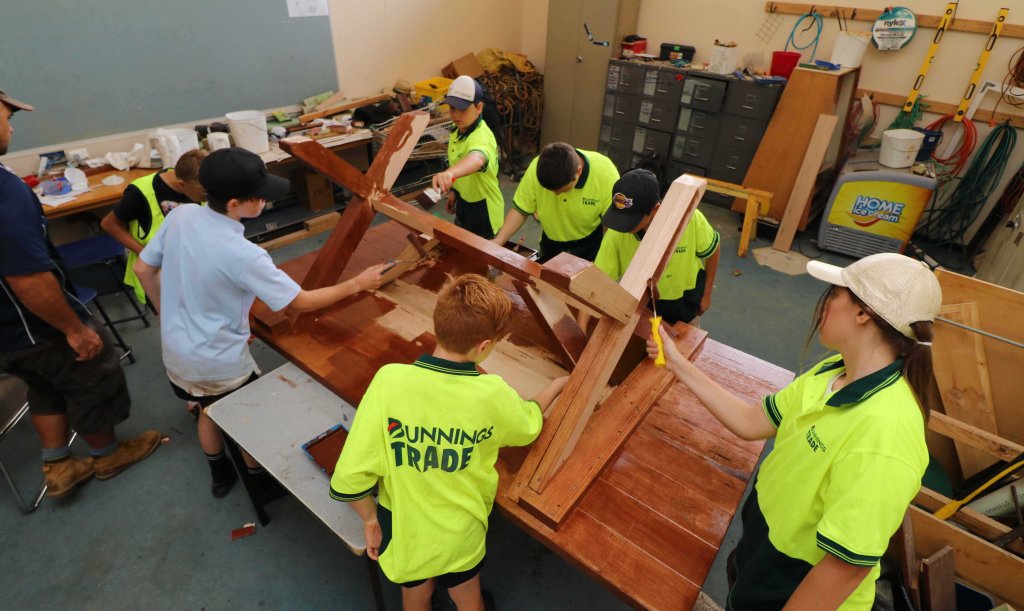
Project-based learning (PBL) is a teaching method that encourages students to learn through hands-on experiences and real-world projects. It focuses on problem-solving, critical thinking, collaboration, and creativity. In project-based learning, students work on projects that are meaningful to them and relevant to their lives. This approach helps students develop skills such as research, communication, time management, and self-assessment.
Unschooling is an educational philosophy that believes in letting children direct their own learning based on their interests and passions. Instead of following a traditional curriculum, unschoolers learn through everyday experiences and exploration. Parents act as facilitators rather than teachers, providing resources and support for their children’s interests. Unschooling allows for personalized learning experiences tailored to each child’s unique strengths and needs.
Nature-based curriculum integrates outdoor education into the academic curriculum to promote environmental stewardship, physical health, and emotional well-being. Students engage in activities such as nature walks, gardening, wildlife observation, and outdoor experiments. Nature-based education fosters a sense of connection with the natural world while enhancing academic learning in subjects like science, math, language arts, and social studies.
STEAM education combines science, technology,
engineering,
arts,
and mathematics
to provide students with a holistic approach to learning.
STEAM programs emphasize interdisciplinary connections
and hands-on activities
to foster creativity,
innovation,
and problem-solving skills.
Students engage in projects such as building robots,
creating art installations using technology,
designing sustainable solutions
for real-world challenges,
and exploring the intersection of art
and science through experimentation.
Co-op field trips involve collaborative outings organized by groups of homeschoolers or alternative school students.
These trips provide opportunities for socialization
while engaging in educational experiences outside the classroom.
Field trip destinations may include museums,
zoos,
botanical gardens,
historical sites,
or community service organizations.
Co-op field trips allow students
to connect with peers
in a group setting
while exploring new environments
and expanding their knowledge beyond textbooks.
Multi-age classrooms bring together students from different grade levels within the same class.
This setup promotes peer mentoring,
collaboration,
leadership development,
and individualized instruction
tailored to each student’s abilities
rather than age or grade level.
Multi-age classrooms encourage cooperative learning,
empathy,
social skills development,
and academic growth across various subjects.
Waldorf-inspired activities draw upon principles from Waldorf education
such as holistic development,
creative expression,
rhythms
of daily life,
free play,
artistic pursuits
like painting
or handwork,
music-making,
storytelling,
nature exploration
to stimulate imagination,
cognitive skills,
emotional intelligence,
physical coordination
Montessori methods focus on fostering independence
self-directed learning
hands-on exploration,
multi-sensory materials
within prepared environments.
Montessori classrooms offer freedom within limits
allowing children to choose activities based on interest
while developing concentration,
motivation
through self-paced discovery.
Outdoor education programs immerse students in nature
fostering environmental awareness
physical activity
critical thinking skills
team-building strategies.
These programs often include outdoor games
hiking trails,
camping excursions
wildlife observation opportunities
gardening initiatives
sustainability projects.
Socialization opportunities are essential components of alternative schooling approaches.
Arts
crafts classes introduce creative outlets
like painting,
sculpture making
textile arts
jewelry design
pottery
enabling students
to express themselves artistically
explore different mediums.
Music
drama workshops enhance performance abilities
creativity
confidence
collaboration
communication skills.
Language immersion programs expose learners to new languages
cultures
develop proficiency
cross-cultural understanding.
Community service projects instill values of empathy
compassion
encourage civic engagement
teach valuable life lessons
about altruism
giving back
making positive contributions
to society.
Entrepreneurship clubs foster innovation
business acumen
problem-solving abilities
entrepreneurial mindset
through hands-on ventures
mentorship opportunities .
Mindfulness
yoga sessions help cultivate emotional intelligence
stress management techniques
focus mindfulness practice
promote well-being mental clarity
self-awareness growth.
Coding robotics courses empower learners with technical skills
computational thinking concepts
problem-solving strategies
technology literacy advancements.
Debate public speaking groups build confidence
articulation capabilities
persuasion techniques
argumentative prowess
critical thinking aptitude.
Gardening sustainability initiatives teach ecological responsibility
agricultural practices
environmental conservation efforts
food production methods.
Cultural exchange programs facilitate global connections
intercultural understanding
language acquisition
appreciation diverse perspectives.
Incorporating these elements into alternative schooling settings can enrich educational experiences
nurture holistic development
foster lifelong learning passion
prepare individuals
success diverse future endeavors.
By embracing innovative approaches like project-based learning
unschooling
nature-based curriculum
STEAM education
co-op field trips
multi-age classrooms
Waldorf-inspired activities Montessori methods
outdoor education programs socialization opportunities arts crafts classes music drama workshops language immersion programs community service projects entrepreneurship clubs mindfulness yoga sessions coding robotics courses debate public speaking groups gardening sustainability initiatives cultural exchange programs we can create dynamic engaging environments where learners thrive grow excel towards brighter futures.
Remember every child unique learner so it crucial tailor educational experience meet individual needs strengths passions ensuring they receive support encouragement tools necessary succeed academically personally socially emotionally culturally economically throughout life journey.
Alternative schooling offers flexible adaptable options cater diverse range preferences philosophies goals families communities seeking non-traditional paths toward educating empowering next generation leaders thinkers innovators creators changemakers ready tackle challenges shape better world tomorrow starting today!
 Alternative Amie
Leave a comment