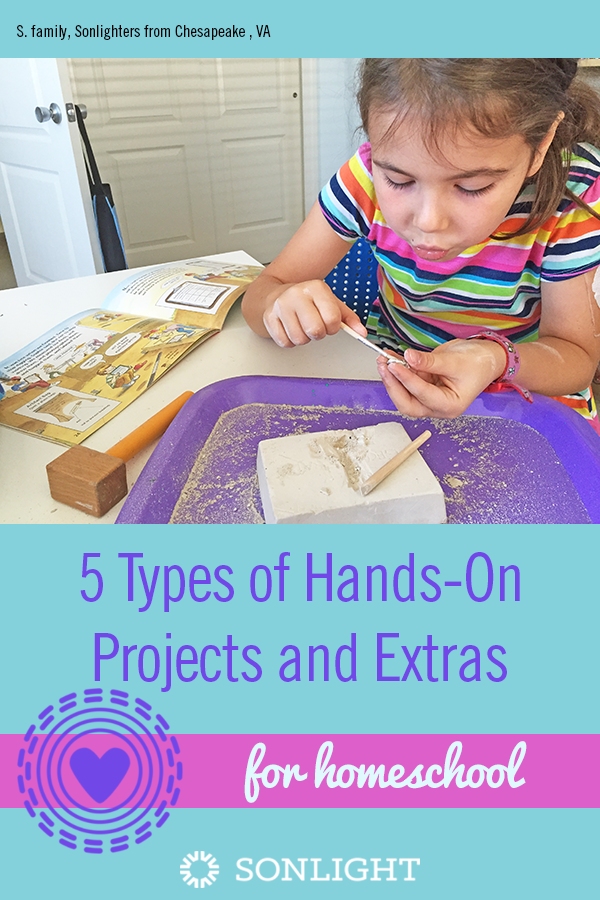
Project-based learning (PBL) is a teaching method that has gained popularity in recent years as an effective way to engage students in their education. This approach emphasizes hands-on, real-world projects that allow students to explore topics in depth and develop critical thinking skills.
One of the key principles of project-based learning is that students take an active role in their own learning. Instead of passively receiving information from a teacher, students are encouraged to research, collaborate, and problem-solve independently. This not only helps them retain information better but also prepares them for success in the workforce where these skills are highly valued.
In a project-based learning environment, teachers act more as facilitators or guides rather than lecturers. They provide support and resources for students as they work on their projects but ultimately give them the freedom to explore ideas and solutions on their own. This shift in role allows teachers to focus on individual student needs and provide personalized feedback and guidance.
Projects in PBL can vary widely depending on the subject matter and grade level. For example, a science class might have students design and conduct experiments to investigate a particular scientific phenomenon, while a history class might have students create documentaries or presentations about important historical events. The key is that each project is meaningful, challenging, and relevant to the curriculum.
One of the major benefits of project-based learning is its ability to foster creativity and innovation in students. By allowing them to tackle open-ended problems and come up with their own solutions, PBL encourages divergent thinking and out-of-the-box approaches. This not only leads to deeper understanding of the material but also helps cultivate essential 21st-century skills such as creativity, collaboration, communication, and critical thinking.
Furthermore, project-based learning promotes interdisciplinary connections by encouraging students to integrate knowledge from various subjects into their projects. This holistic approach helps break down traditional academic silos and shows students how different disciplines are interconnected in real life. It also fosters a deeper appreciation for diversity of perspectives which can help prepare them for an increasingly globalized world.
Another advantage of PBL is its emphasis on practical application of knowledge. Rather than memorizing facts for tests that they will soon forget, students engage with material through hands-on activities that require them to apply what they’ve learned in meaningful ways. This experiential learning not only reinforces retention but also builds confidence as students see how their efforts produce tangible results.
Moreover, project-based learning promotes autonomy by giving students more control over their education. They have agency in choosing topics that interest them or designing projects that align with their strengths and passions. This sense of ownership motivates them to take responsibility for their own learning journey which can lead to increased engagement both inside and outside the classroom.
Collaboration is another core component of project-based learning as it mirrors real-world work environments where teamwork is essential for success. Students learn how to communicate effectively with peers, delegate tasks based on strengths, resolve conflicts constructively, and celebrate achievements together – all valuable skills they will carry with them into adulthood.
Assessment looks different within the framework of PBL compared to traditional methods like standardized testing or quizzes – instead focusing on evaluating student performance based on criteria related directly back towards mastery goals set throughout each respective unit/project cycle; rubrics often play heavily here given complex nature inherent within these types assignments requiring nuanced evaluation techniques beyond mere multiple-choice questions at end semester exams!
In conclusion , Project-Based Learning offers a dynamic alternative educational experience wherein learners actively engaged constructing meaning via collaborative inquiry-driven approach fostering deep understanding content across diverse range domains while simultaneously promoting development vital soft-skills necessary thriving ever-evolving global landscape today’s knowledge economy!
 Alternative Amie
Leave a comment