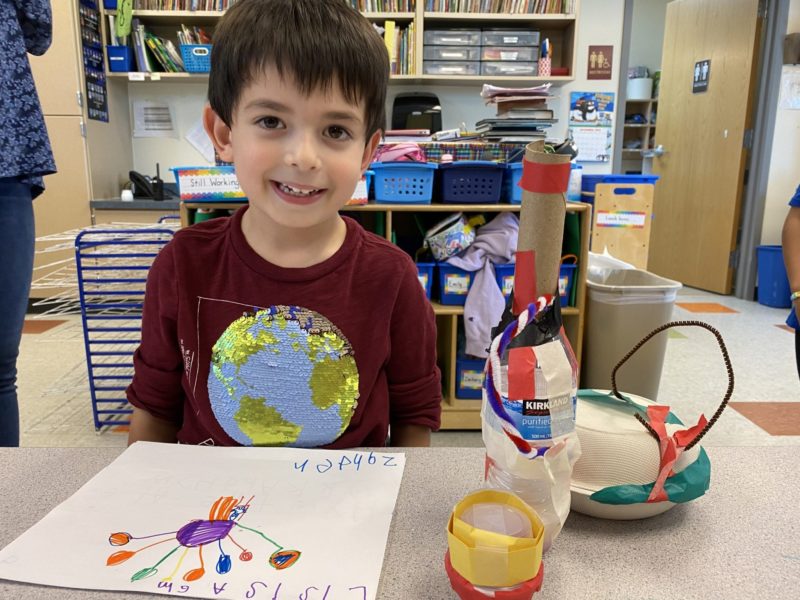
Project-based learning (PBL) has become a popular educational approach in alternative schooling and education systems. This method focuses on students actively exploring real-world problems and challenges, leading to deeper understanding and retention of knowledge compared to traditional lecture-based learning.
One of the key benefits of PBL is that it promotes student engagement by making learning more relevant and meaningful. By working on projects that have practical applications, students can see the direct impact of their work, which motivates them to explore concepts further and develop critical thinking skills. This hands-on approach also fosters collaboration among students as they work together to solve problems, mirroring real-world professional environments.
Furthermore, project-based learning encourages creativity and innovation. Students are given the freedom to come up with their own solutions to problems, allowing them to think outside the box and develop unique perspectives. This not only enhances their problem-solving skills but also nurtures an entrepreneurial mindset that is valuable in today’s rapidly changing world.
Another advantage of PBL is its ability to cater to diverse learning styles. Instead of a one-size-fits-all approach, project-based learning allows students to showcase their strengths through different roles within a group project – whether it be research, design, presentation, or hands-on experimentation. This personalized approach ensures that all students can contribute meaningfully while developing a range of skills.
Moreover, PBL helps prepare students for future careers by equipping them with essential 21st-century skills such as communication, collaboration, critical thinking, and adaptability. These skills are highly sought after by employers in today’s job market where automation and technological advancements are reshaping industries.
In conclusion, project-based learning offers a dynamic and effective way for students to engage with curriculum content while developing crucial skills for success in both academic pursuits and future careers. By embracing this innovative approach in alternative schooling settings, educators can empower students to become lifelong learners who are well-equipped for the challenges of tomorrow’s world.
 Alternative Amie
Leave a comment