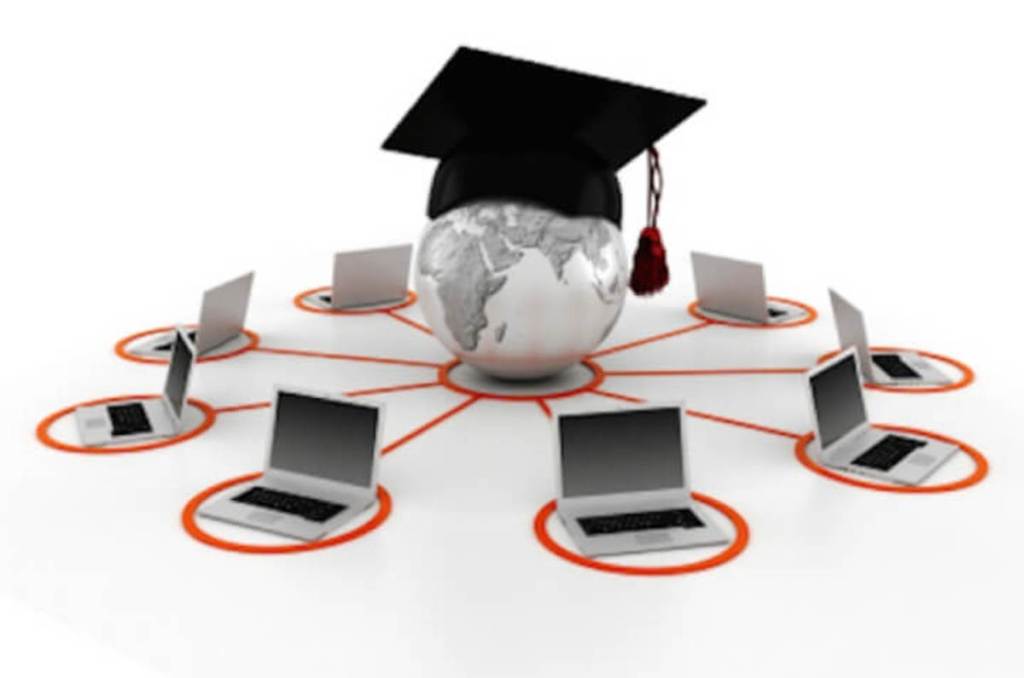
Technology integration in learning has become a fundamental aspect of modern education systems. As a writer and journalist who has closely observed the evolution of technology in classrooms, I have witnessed firsthand the significant impact it has had on shaping alternative schooling and education.
One of the key advantages of incorporating technology into learning is its ability to enhance engagement and interaction among students. By using various digital tools such as educational apps, online platforms, virtual reality simulations, and interactive whiteboards, educators can create dynamic and immersive learning experiences that cater to different learning styles. This not only makes the learning process more enjoyable for students but also helps them retain information better.
Furthermore, technology integration allows for personalized learning experiences tailored to individual student needs. With adaptive learning software and artificial intelligence algorithms, teachers can track student progress in real-time and provide targeted support where necessary. This level of customization ensures that each student receives the attention and resources they need to succeed academically.
Moreover, technology serves as a gateway to vast amounts of information beyond traditional textbooks. The internet provides access to endless educational resources, allowing students to explore diverse perspectives on any given topic. This not only enriches their understanding but also encourages critical thinking skills as they learn to evaluate sources and discern reliable information from misinformation.
In addition to expanding access to knowledge, technology integration fosters collaboration among students both inside and outside the classroom. Online communication tools such as video conferencing platforms and collaborative editing software enable students to work together on projects regardless of physical location. This promotes teamwork skills essential for success in today’s interconnected world.
Another profound benefit of integrating technology into education is its capacity to bridge geographical barriers through remote learning opportunities. Alternative schooling models such as homeschooling or virtual schools have gained popularity due to advancements in digital communication technologies. Students now have the flexibility to learn at their own pace from anywhere in the world, breaking free from traditional constraints imposed by physical classrooms.
However, with great power comes great responsibility – educators must ensure that technology is used purposefully and ethically in educational settings. It is crucial for teachers to undergo training on how best to integrate technology into their pedagogical practices effectively while ensuring digital literacy skills are imparted alongside subject matter knowledge.
Furthermore, it is important for schools adopting technological tools in their curriculum design not lose sight of holistic education principles such as social-emotional development and creative expression which may be overlooked amidst a heavy reliance on digital mediums.
Despite these challenges, there is no denying that technology integration has revolutionized alternative schooling and education by offering innovative ways of teaching and learning that were previously unimaginable. As we continue down this path towards an increasingly digital future, it is imperative that we embrace these changes with a thoughtful approach that prioritizes both academic excellence and holistic growth for our students.
 Alternative Amie
Leave a comment