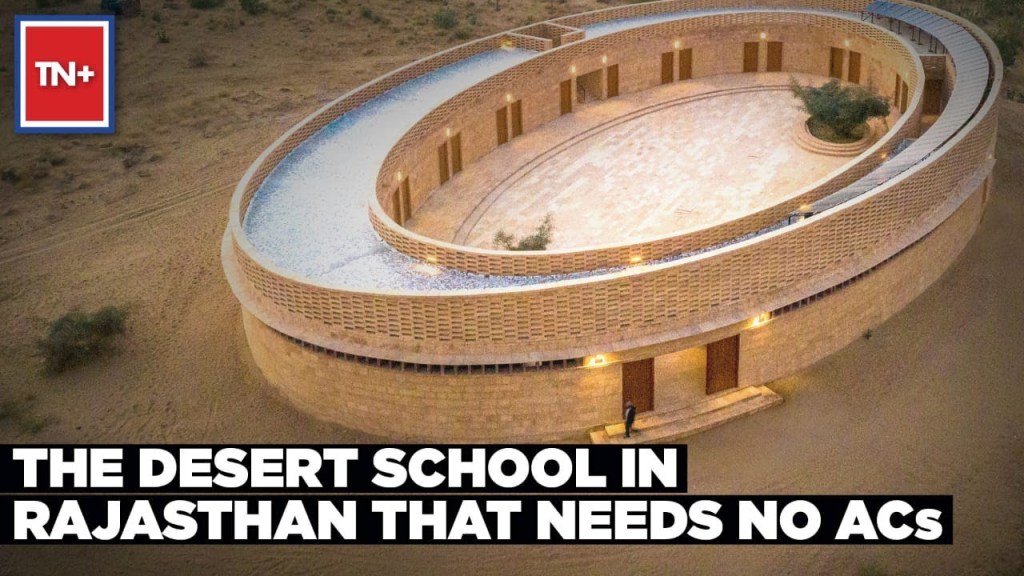
Desert schools have been gaining popularity in recent years as an alternative form of education that offers a unique and experiential learning environment for students. These schools are typically located in remote desert areas, away from the hustle and bustle of city life, allowing students to connect with nature, learn practical survival skills, and develop a deep sense of self-reliance.
One of the key features of desert schools is their focus on outdoor education. Students spend a significant amount of time outside, exploring the desert landscape, learning about local flora and fauna, and participating in various outdoor activities such as hiking, camping, rock climbing, and orienteering. This hands-on approach to learning not only helps students develop a strong connection to the natural world but also fosters valuable skills such as teamwork, problem-solving, and resilience.
In addition to outdoor education, desert schools often incorporate elements of environmental sustainability into their curriculum. Students learn about water conservation techniques, renewable energy sources, sustainable agriculture practices, and waste reduction strategies. By immersing themselves in these topics and actively participating in eco-friendly initiatives within the school community, students gain a deeper understanding of environmental issues and become more environmentally conscious individuals.
Another defining aspect of desert schools is their emphasis on holistic education. In addition to traditional academic subjects like math, science, language arts, and social studies, students also engage in mindfulness practices such as yoga and meditation. These activities help promote mental well-being, reduce stress levels among students, improve concentration and focus during lessons.
Furthermore; some desert schools offer specialized programs focused on specific areas such as wildlife conservation or wilderness survival skills. For example; students may have the opportunity to participate in research projects studying local wildlife populations or learn how to build shelters using natural materials found in the desert environment.
One notable benefit of attending a desert school is the small class sizes which allow for personalized attention from teachers; fostering strong relationships between educators & learners that can positively impact student’s growth & development academically & personally
Critics argue that desert schools may lack certain amenities available at traditional educational institutions like state-of-the-art facilities or access to extracurricular activities such as sports teams or art clubs due to their remote locations this could limit opportunities for student’s overall development while others argue that these perceived limitations force creativity foster independence build resilience among attendees preparing them better for real-world challenges
Overall; Desert schools provide a unique educational experience that goes beyond traditional classroom learning by offering hands-on outdoor education opportunities promoting environmental stewardship emphasizing holistic well-being cultivating independence fostering creativity building resilience & encouraging personal growth through immersive experiences set against the backdrop of vast open spaces vibrant sunsets clear starlit skies all contributing towards shaping well-rounded individuals who appreciate value respect nature community collaboration innovation adaptation
 Alternative Amie
Leave a comment