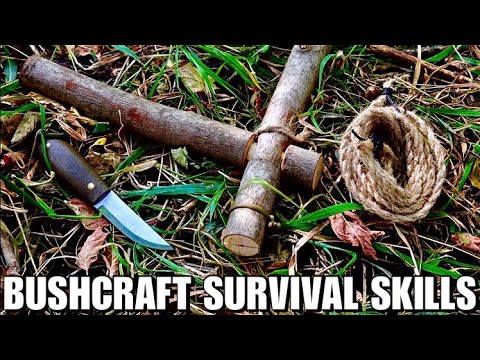
Bushcraft, an essential skillset that combines wilderness survival techniques with traditional outdoor skills, is gaining popularity among educators and parents as a valuable tool for teaching children about nature, self-reliance, and problem-solving. With its focus on practical skills like shelter-building, fire-making, foraging, and navigation using natural resources rather than modern tools or technology, Bushcraft offers a hands-on approach to learning that can be both educational and empowering.
In recent years, many alternative schools and educational programs have started incorporating Bushcraft activities into their curricula as a way to provide students with unique learning experiences that go beyond the traditional classroom setting. These activities not only foster a deeper connection to nature but also help develop important life skills such as critical thinking, creativity, resilience, and teamwork.
Shelter-building is one of the fundamental Bushcraft skills that offer students the opportunity to learn how to construct shelters using natural materials found in the environment. This activity requires problem-solving abilities as students have to consider factors like weather conditions and terrain while building a sturdy shelter that provides protection and comfort. By working together in groups or pairs to build shelters, students also learn valuable teamwork skills and cooperation.
Fire-making is another essential Bushcraft skill that teaches students how to start fires using various methods such as friction-based techniques like bow drill or hand drill. Learning how to make fire without matches or lighters not only builds confidence but also instills a sense of self-reliance in students. Fire-making activities can be particularly engaging for children as they get to see firsthand how different materials interact and ignite under specific conditions.
Foraging is another aspect of Bushcraft that introduces students to the concept of sourcing food from the wild by identifying edible plants, fruits, nuts, and other resources available in nature. Teaching children about local plant species’ identification helps them develop an appreciation for biodiversity while learning which plants are safe for consumption. Foraging activities can also spark curiosity about sustainable living practices and encourage responsible harvesting habits.
Navigation skills are crucial in Bushcraft as they enable individuals to navigate through unfamiliar terrain using natural signs such as landmarks, stars, sun position or wind direction instead of relying on GPS devices or maps. Teaching children basic orienteering techniques not only enhances their spatial awareness but also sharpens their observation skills by paying close attention to their surroundings. Navigation challenges can be designed as scavenger hunts or treasure hunts where students use compasses or handmade directional tools to find hidden clues along designated routes.
Wilderness first aid is an important component of any outdoor education program involving Bushcraft activities since being prepared for emergencies is essential when venturing into remote areas. Teaching children basic first aid skills like treating cuts, burns insect bites snakebites allergic reactions sprains strains falls heat exhaustion hypothermia equips them with necessary knowledge respond effectively unforeseen situations until professional medical assistance arrives.
Camp cooking represents another fun aspect of Bushcraft where participants get hands-on experience preparing meals over open fires using basic ingredients utensils pots pans creative recipes improvised cookware reflect resourcefulness adaptability cooking outdoors develops culinary proficiency encourages experimentation fosters appreciation simple pleasures sharing meals friends family around campfire settings.
Overall integrating bush craft activities into alternative schooling programs presents unique opportunities for experiential learning outside conventional classroom settings these hands-on experiences allow students engage with natural world develop practical life enhance critical thinking creativity teamwork resilience sustainability awareness deepening understanding interconnectedness humans environment fostering sense stewardship responsibility future generations benefitting personal growth community well-being fostering love respect planet we call home.
 Alternative Amie
Leave a comment