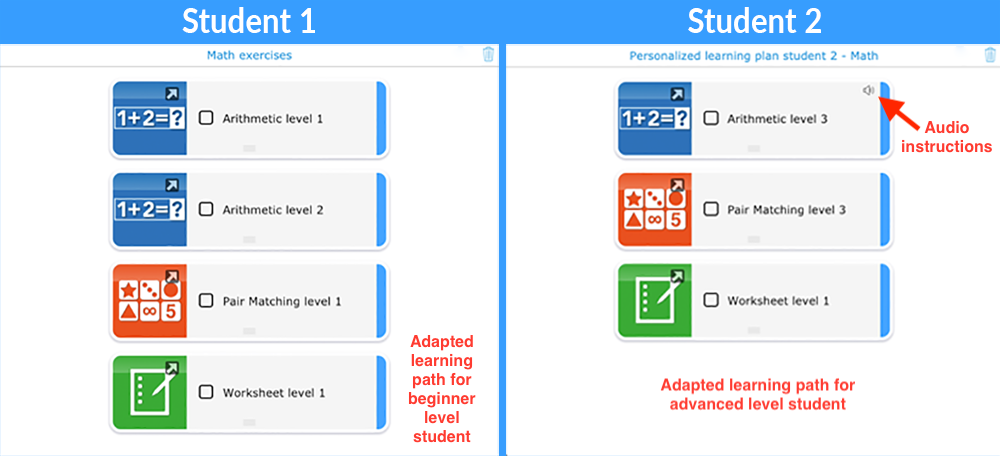
Individualized learning plans (ILPs) are a key component in alternative schooling and education, offering personalized strategies to meet the unique needs of each student. These plans are designed to cater to individual strengths, interests, and learning styles, providing a customized approach that can lead to greater academic success and personal growth.
One of the primary benefits of ILPs is their ability to address the diverse learning needs of students. Traditional one-size-fits-all approaches may not always be effective for every learner. By tailoring instruction and support based on an individual’s abilities and preferences, ILPs can help students reach their full potential.
ILPs typically start with a comprehensive assessment of the student’s current skills, knowledge, and goals. This evaluation helps educators identify areas where additional support or enrichment may be needed. From there, specific learning objectives are established for each student, along with targeted strategies for achieving them.
Flexibility is another hallmark of ILPs. Students have the opportunity to work at their own pace and focus on topics that align with their interests. This approach can enhance motivation and engagement, as learners feel more invested in their educational journey when they have a say in what they study.
Furthermore, ILPs promote autonomy and self-directed learning. Students are encouraged to take ownership of their education by setting goals, tracking progress, and reflecting on their achievements. This level of independence fosters critical thinking skills and prepares students for lifelong learning beyond the classroom.
In addition to academic growth, ILPs also prioritize holistic development. Social-emotional skills such as communication, problem-solving, empathy, and resilience are integrated into the plan to ensure that students receive well-rounded support for overall success.
Collaboration is essential in implementing effective ILPs. Teachers work closely with students to co-create these personalized plans based on ongoing feedback and assessment data. Parents/guardians also play a crucial role in supporting their child’s learning journey by providing input from home environments.
Technology plays a significant role in facilitating ILPs by providing tools for tracking progress, accessing resources tailored to individual needs, and promoting interactive learning experiences outside traditional classrooms settings through online platforms or digital apps.
Another key aspect of ILP implementation is regular monitoring and adjustments as needed. Educators regularly review student performance data against established goals to assess progress towards meeting objectives effectively addressing any challenges that may arise throughout the process.
Overall Individualized Learning Plans offer an innovative approach that recognizes each student’s uniqueness while striving towards equitable outcomes across diverse populations within alternative schooling settings.
 Alternative Amie
Leave a comment