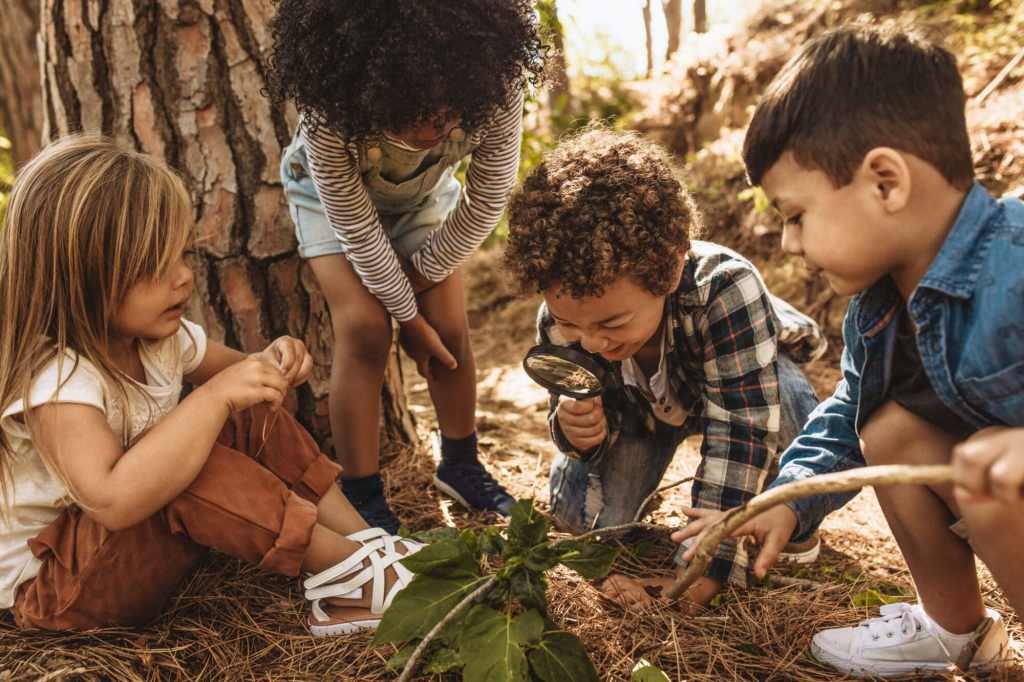
Unschooling philosophy in eclectic homeschooling is a unique approach that focuses on child-led learning and allowing children to explore their interests at their own pace. Unschooling is rooted in the belief that children are naturally curious and will learn best when they are engaged in activities that interest them. In eclectic homeschooling, unschooling can be incorporated by giving children the freedom to choose what they want to learn about and providing resources and support to help them explore those topics.
Art history is a valuable subject to include in eclectic homeschooling as it not only teaches children about different artistic styles and movements but also provides insight into the historical and cultural contexts in which art was created. By studying art history, children can develop an appreciation for diverse forms of expression and gain a deeper understanding of human creativity throughout history.
Nature-based learning approaches offer a hands-on way for children to connect with the natural world around them while learning about science, ecology, and sustainability. Incorporating nature-based learning into eclectic homeschooling can involve outdoor exploration, nature journaling, gardening, birdwatching, or even studying local flora and fauna. These experiences can foster a sense of wonder and curiosity in children while also instilling a respect for the environment.
Technology plays a significant role in modern education, including eclectic homeschooling. While it can provide access to vast amounts of information and educational resources, it’s crucial to strike a balance between screen time and hands-on learning experiences. Technology can be used as a tool for research, virtual field trips, online classes, coding projects, or creative digital arts projects within eclectic homeschooling.
Mindfulness practices such as meditation, deep breathing exercises, yoga, or mindfulness walks can help children develop self-awareness, emotional regulation skills, focus attention spans reduce stress levels within an eclectic homeschool setting. Teaching mindfulness techniques can empower children to manage their emotions effectively while enhancing their overall well-being.
Emotional intelligence is essential for navigating relationships effectively both academically socially Implement teaching strategies that cultivate empathy communication skills conflict resolution abilities self-awareness emotional regulation within an eclectic home school curriculum Developing emotional intelligence equips students with lifelong social skills necessary for success personal growth
Exploring world religions exposes students diverse beliefs practices traditions across cultures histories Studying world religions encourages tolerance promotes understanding fosters intercultural dialogue global awareness An important aspect incorporating religious studies ensure teachings presented objectively unbiased encourage critical thinking reflection
Utilizing board games educational tools offers interactive engaging ways reinforce academic concepts improve critical thinking skills promote teamwork strategy development Board games variety subjects genres math language arts history geography science adapted fit specific learning objectives tailored individual student interests strengths
Integrating physical education within home school curriculum vital promoting overall health wellness Physical activity helps improve motor skills coordination enhances mood concentration reduces stress Incorporating sports games fitness challenges dance routines outdoor activities ensures holistic development physical fitness mental well-being
Studying ancient civilizations provides fascinating insights early human societies technological advancements cultural achievements Studying ancient civilizations enables students develop critical thinking analytical skills understand interconnectedness global historical events trends Comparisons contrasts ancient modern societies facilitate broader perspective human civilization evolution
Balancing structured unstructured learning essential cultivating well-rounded education Eclectic home schooling allows flexibility blend traditional academics experiential hands-on activities Structured elements like daily schedules lesson plans assessments complemented unstructured pursuits free play creative exploration foster holistic development intellectual curiosity lifelong love learning
Teaching life skills through hands-on experiences helps prepare students real-world challenges responsibilities Practical tasks like cooking budgeting gardening woodworking encourage independence problem-solving decision-making capabilities Life skill lessons build confidence resilience equip students succeed future endeavors personal professional realms
 Alternative Amie
Leave a comment