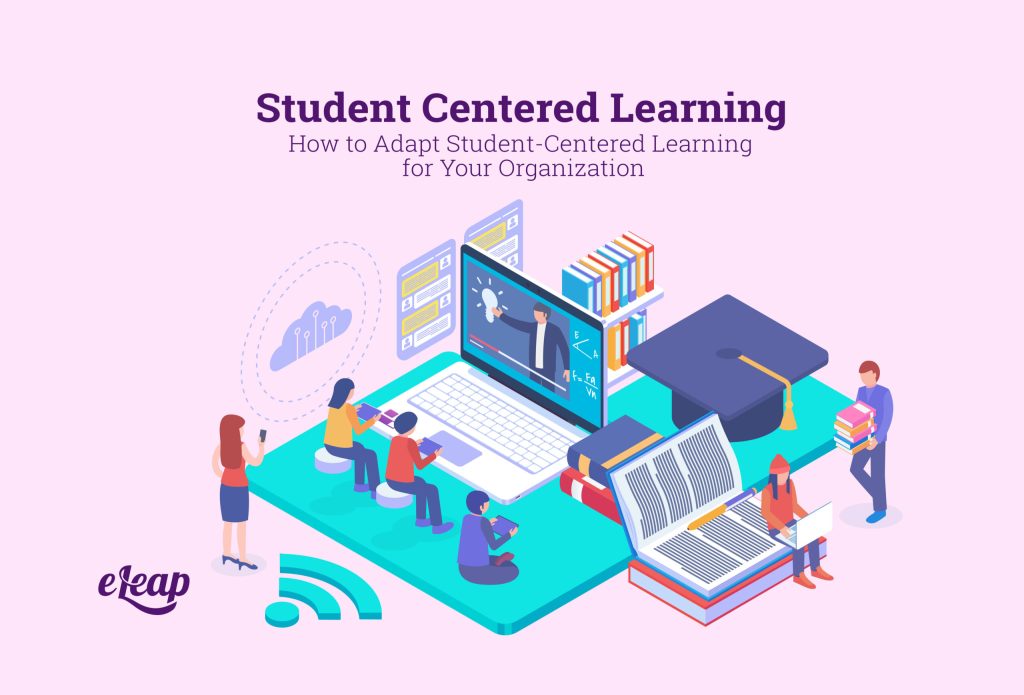
Student-centered learning is a progressive approach to education that focuses on the individual needs and interests of students, rather than following a standardized curriculum. This method places the student at the center of their own learning journey, allowing them to take ownership of their education and develop critical thinking skills in a more engaging and meaningful way.
One of the key principles of student-centered learning is personalized instruction. Teachers work closely with each student to understand their unique strengths, weaknesses, interests, and learning styles. By tailoring lessons to meet the specific needs of each student, educators can better support individual growth and development. This personalized approach helps students feel valued and motivated to learn, leading to improved academic performance and higher levels of engagement in the classroom.
Another important aspect of student-centered learning is fostering independence and self-direction in students. Rather than relying solely on teachers for guidance, students are encouraged to take responsibility for their own learning by setting goals, monitoring their progress, and reflecting on their achievements. This shift from teacher-led instruction to student-led exploration empowers learners to become active participants in their educational experience, promoting autonomy and self-confidence.
Collaboration also plays a significant role in student-centered learning environments. Students are encouraged to work together on projects, share ideas, and engage in group discussions. Collaborative activities not only foster teamwork skills but also promote critical thinking, communication skills, and creativity. By working with peers towards common goals, students learn how to effectively communicate ideas, listen actively to others’ perspectives, and solve problems collectively.
In addition to collaboration with peers, student-centered learning often involves partnerships with community organizations or experts in various fields. These real-world connections provide students with opportunities to apply classroom knowledge in authentic contexts and gain valuable insights from professionals working in the field. By bridging the gap between theory and practice through experiential learning opportunities outside the classroom walls, students can make meaningful connections between what they are studying and its relevance in the world around them.
Technology also plays a crucial role in supporting student-centered learning initiatives. Digital tools such as online resources, interactive simulations, virtual reality experiences, and multimedia presentations can enhance traditional teaching methods by providing alternative ways for students to engage with content material. Technology enables educators to create dynamic learning experiences that cater to diverse learner preferences while promoting digital literacy skills essential for success in today’s interconnected world.
Assessment practices within student-centered learning environments differ from traditional grading systems focused on rote memorization or standardized testing. Instead of relying solely on exams or quizzes as measures of academic achievement, educators use a variety of formative assessments such as portfolios,
projects,
presentations,
peer evaluations,
self-assessments,
to gauge student progress holistically based on mastery of concepts rather than mere regurgitation of facts.
By assessing students based on their ability
to think critically,
problem-solve creatively,
communicate effectively,
rather than memorize information passively,
teachers can gain deeper insights into each learner’s strengths
and areas needing improvement.
This allows for targeted interventions tailored
to individual needs
and promotes continuous growth
throughout the educational journey.
Overall,
student-centered learning offers numerous benefits
for both learners
and educators alike.
By prioritizing personalization,
independence,
collaboration,
real-world connections,
technology integration,and innovative assessment practices,
this approach fosters holistic development
of 21st-century skills necessary
for success
in an ever-evolving global society.
As we continue
to explore new ways
of engaging learners
and preparing them
for future challenges,it is clear thatstudentcenteredlearningwill play acrucial rolein shapingthe futureofeducation.
Whether you’rea parentseekingalternativeschoolingoptionsor aneducatorlookingtorevampyourteachingpractices,the principlesofstudentcenteredlearningofferendlesspossibilitiesforinspiringgrowth,motivation,andachievementamonglearnersof allagesandbackgrounds.
 Alternative Amie
Leave a comment