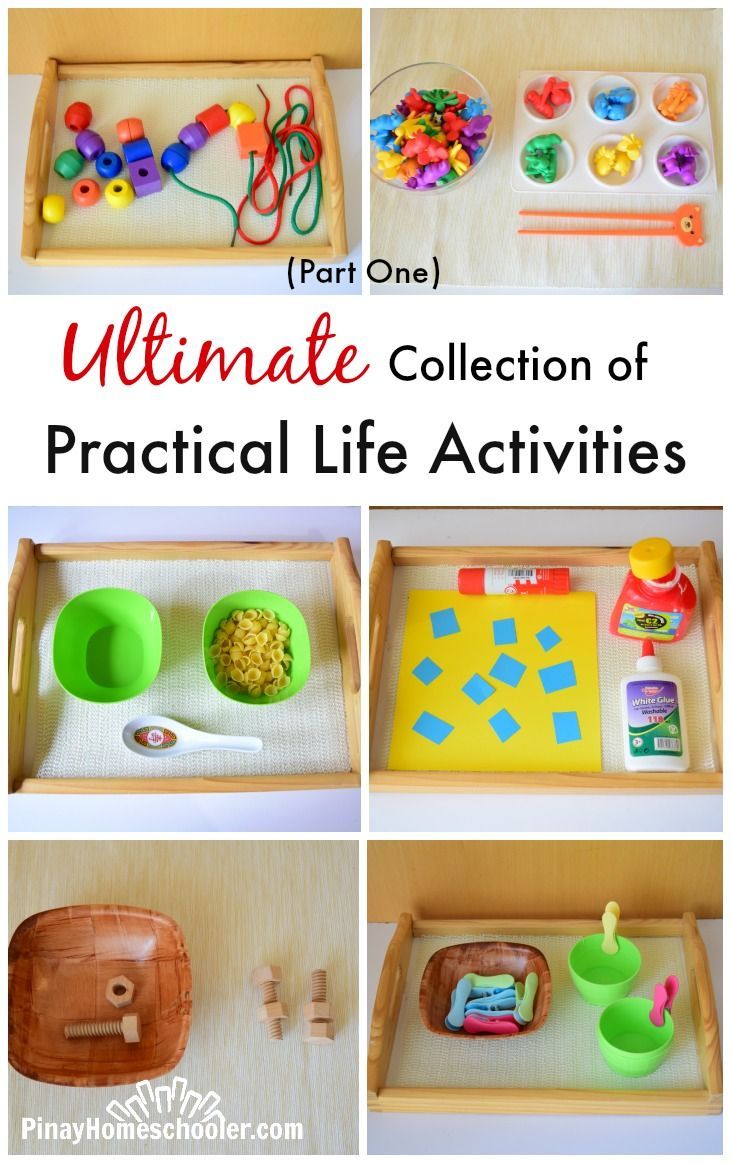
Practical life activities are an essential component of alternative schooling and education. These activities provide children with real-life skills that they can use both inside and outside the classroom. By engaging in practical life activities, children develop independence, fine motor skills, concentration, and a sense of responsibility. In this Q&A style post, we will explore the importance of practical life activities in alternative schooling and education.
Q: What are practical life activities?
A: Practical life activities are everyday tasks that help children develop important life skills. These activities often mimic tasks that adults do on a daily basis, such as pouring water, washing dishes, or folding clothes. Practical life activities are designed to be simple enough for young children to complete independently but challenging enough to promote skill development.
Q: Why are practical life activities important in alternative schooling and education?
A: Practical life activities play a crucial role in alternative schooling and education for several reasons:
1. Development of Independence: By engaging in practical life activities, children learn how to take care of themselves and their environment. This fosters independence and self-reliance from a young age.
2. Fine Motor Skills Development: Many practical life activities involve using small muscles in the hands and fingers, which helps improve fine motor skills. These skills are essential for tasks such as writing, drawing, and using scissors.
3. Concentration Building: Completing tasks like pouring liquid or sorting objects requires focus and concentration. Through practice with these activities, children learn how to concentrate on one task at a time without getting distracted.
4. Sense of Responsibility: When children participate in practical life activities regularly, they develop a sense of responsibility towards themselves and their surroundings. They understand the importance of contributing to their community through simple acts like cleaning up after themselves.
Q: How can parents incorporate practical life activities into their child’s daily routine?
A: Parents can easily incorporate practical life activities into their child’s daily routine by creating opportunities for them to engage in these tasks at home:
1. Setting up a Montessori-inspired learning corner with child-sized tools for pouring liquids or transferring objects.
2. Encouraging children to help with household chores like setting the table or watering plants.
3. Allowing children to participate in meal preparation by washing vegetables or stirring ingredients.
4. Organizing regular cleaning sessions where kids can dust surfaces or sweep floors alongside adults.
By making these tasks part of everyday routines, parents can help their children develop important skills while also fostering independence and responsibility.
Q: What is the role of teachers in implementing practical life activities at school?
A: Teachers play a vital role in implementing practical life activities at school by creating an environment that supports skill development through real-life experiences:
1…
 Alternative Amie
Leave a comment