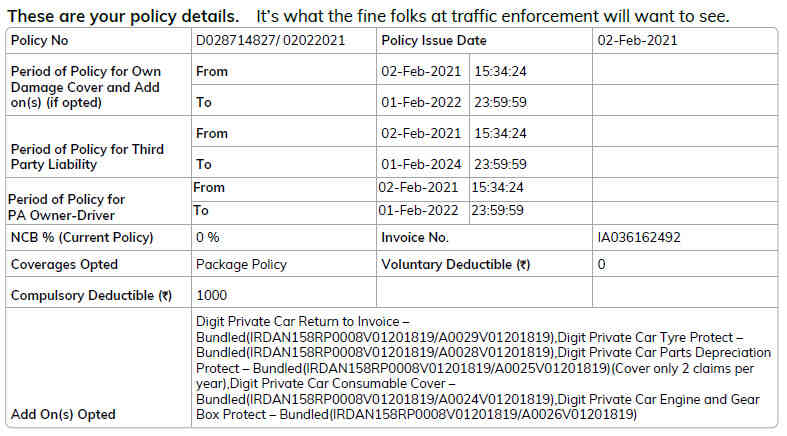
Understanding insurance policies can be a daunting task for many individuals, but it is essential to have a clear grasp of the coverage you are purchasing. With various types of insurance available in the market, knowing what each policy entails can help you make informed decisions and ensure that you are adequately protected. Here are the top 10 things to consider when understanding insurance policies:
1. Policy Coverage: The first thing to understand about an insurance policy is what it covers. Different policies provide coverage for various risks, such as health, home, auto, life, or business-related incidents. It’s crucial to review the coverage details carefully to know exactly what protection you are getting.
2. Premiums and Deductibles: Insurance premiums refer to the amount you pay for your coverage regularly, while deductibles are the out-of-pocket expenses you need to pay before your insurance kicks in. Understanding how premiums and deductibles work together can help you choose a policy that suits your budget and needs.
3. Exclusions: Insurance policies typically come with exclusions – situations or events not covered by the policy. It’s important to read through these exclusions carefully to avoid any surprises when making a claim.
4. Policy Limits: Every insurance policy has limits on how much it will pay out for a covered loss or event. Understanding these limits is crucial so that you know if you need additional coverage or higher limits based on your specific circumstances.
5. Renewal Terms: Insurance policies have renewal terms that dictate how long your coverage lasts and under what conditions it can be renewed at the end of each term. Make sure you understand these terms and any changes that may occur upon renewal.
6. Claims Process: Knowing how to file a claim with your insurance provider is essential in case of an emergency or loss covered by your policy. Familiarize yourself with the claims process beforehand so that you can act swiftly when needed.
7. Additional Riders or Endorsements: Some insurance policies allow for additional riders or endorsements that provide extra coverage for specific situations not included in the standard policy. Consider whether adding these options would benefit you based on your individual needs.
8. Customer Support: Good customer support from your insurance provider is invaluable when navigating through complex issues related to your policy or filing claims efficiently.
9.Cancellation Policies: Understand the cancellation terms of your insurance policy should there be a need to terminate it before its expiration date due to changing circumstances or finding better-suited coverage elsewhere.
10.Financial Strength of Insurer: Lastly, research and evaluate the financial strength and reputation of the insurer offering the policy as this will give an indication of their ability to fulfill claims promptly and reliably over time.
In conclusion, understanding insurance policies requires attention-to-detail analysis along with careful consideration of different factors mentioned above.
Remember also always ask questions if there’s anything unclear about aspects regarding any given plan which could impact potential outcomes significantly.
By being well-informed about all aspects associated with an individual’s needs within each category mentioned herein; one will find themselves better prepared should unforeseen circumstances arise requiring reliance upon said agreements made between parties involved – ultimately leading towards peace-of-mind throughout difficult times ahead!
 Alternative Amie
Leave a comment