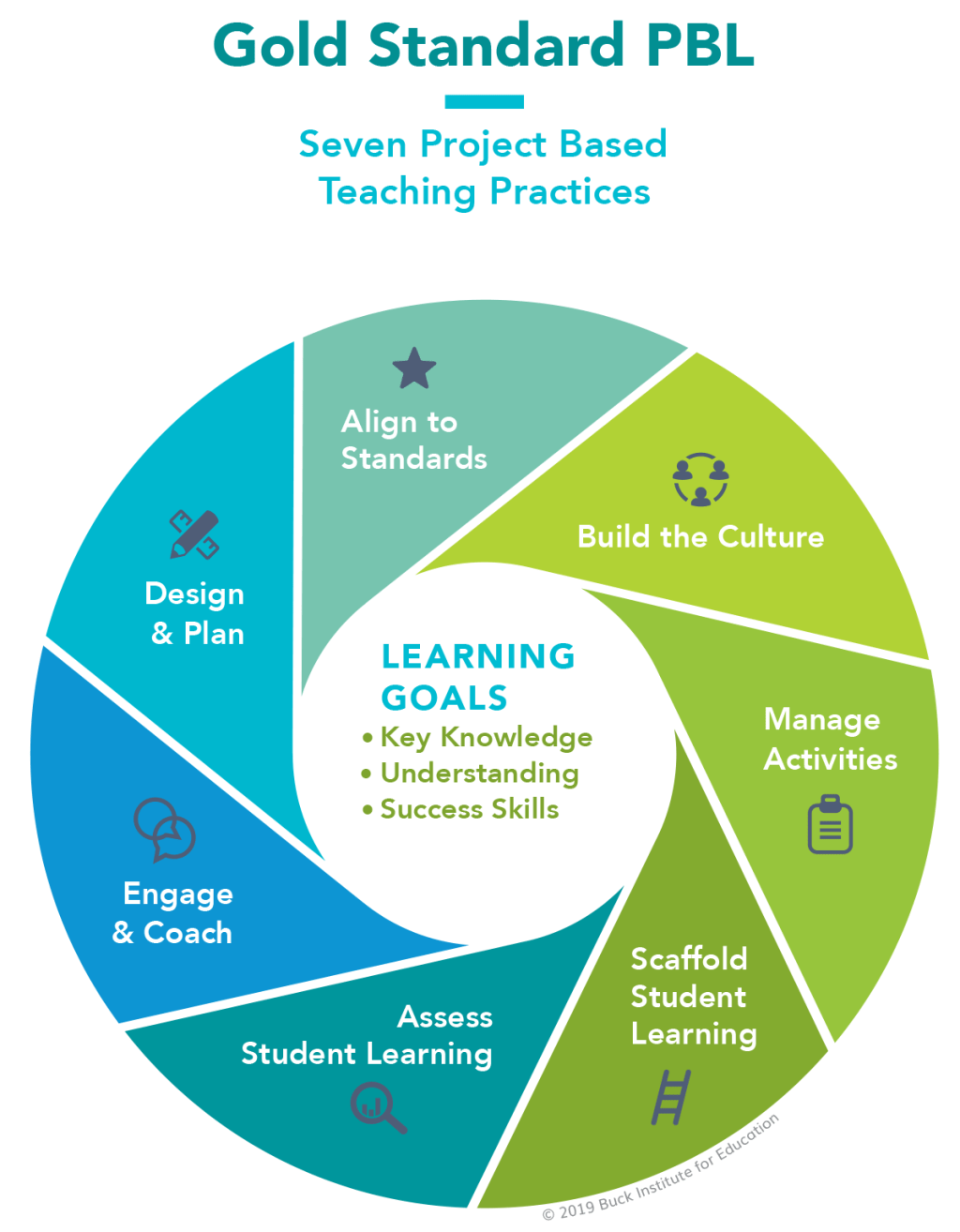
Project-based learning (PBL) is a teaching method where students gain knowledge and skills by investigating and responding to complex questions, problems, or challenges. This approach allows students to engage in real-world projects that are both meaningful and relevant to their lives. PBL encourages critical thinking, collaboration, communication, and creativity as students work together to solve problems and create solutions.
Outdoor education is an experiential learning approach that takes place outside of the traditional classroom setting. It allows students to connect with nature, learn about the environment, develop outdoor skills, and foster a sense of stewardship for the natural world. Outdoor education can include activities like hiking, camping, gardening, or participating in environmental conservation projects.
Experiential learning is a hands-on approach to education where students learn through direct experience and reflection. This method encourages active engagement with the material being taught and helps students make connections between theory and practice. Experiential learning can take many forms, including internships, field trips, simulations, experiments, or role-playing exercises.
Self-directed learning empowers students to take control of their own education by setting goals, choosing resources, managing their time effectively, and assessing their own progress. This approach promotes autonomy, self-motivation, independence, and lifelong learning skills. Self-directed learners are able to pursue their interests at their own pace while developing valuable critical thinking and problem-solving abilities.
Social-emotional learning (SEL) focuses on developing interpersonal skills like empathy, communication, self-awareness,and emotional regulation alongside academic content. SEL teaches students how to manage emotions effectively,resolve conflicts peacefully,and build positive relationships with others.This holistic approach recognizes the importance of emotional intelligence in fostering academic success,career readiness,and overall well-being.
Gamification in education involves incorporating game elements like competition,challenges,rewards,and interactivity into the learning process.This technique motivates students by making lessons more engaging,fostering a sense of accomplishment,and providing instant feedback.Gamification can increase student participation,intrinsic motivation,and retention rates while promoting teamwork,critical thinking,and problem-solving skills.
Holistic education considers the whole child—mind,body,soul,and emotions—in the educational process.This approach values each student’s unique talents,personality traits,cultural backgrounds,beliefs,and experiences.Holistic education aims to nurture intellectual growth,social development,moral reasoning,aesthetic appreciation,self-confidence,resilience,and overall well-being in all learners.
Place-based education connects classroom instruction with local environments,histories,cultures,economies,social issues,natural resources,& community members.This approach makes learning more meaningful,relevant,& authentic for students.It fosters a sense of connection&responsibility towards one’s community while promoting environmental stewardship&sustainability.Place-based ed also enhances critical thinking,collaboration,& civic engagement among learners
The Reggio Emilia Approach is an innovative early childhood educational philosophy that originated in Italy after World War II.This learner-centered approach views children as capable,knowledgeable,strong,resilient individuals who are active participants in constructing knowledge.The Reggio Emilia Approach emphasizes play-based explorations,long-term projects,daily documentation,parental involvement,integrated arts curriculum,& collaborative inquiry among teachers&students
The Montessori Method was developed by Dr.Maria Montessori & focuses on fostering independence,self-discipline,self-motivation,& hands-on experiential learning.The Montessori environment includes mixed-age classrooms,self-directed activities,multi-sensory materials,freedom within limits,& individualized instruction based on each child’s needs & interests.This child-centered approach promotes cognitive development,social-emotional growth,independence,responsibility,& love for lifelong learning
Waldorf Education was founded by Rudolf Steiner & prioritizes educating the whole child—body,mind&spirit—through creative expression,hands-on activities,rhythms,nature immersion,movement arts,music,drama,fine arts,languages&moral storytelling.Waldorf schools emphasize age-appropriate development,stress-free environments,balanced academics,lifelong love for learning,humanistic values&community building among diverse groups of children from different cultural backgrounds&socioeconomic statuses
Unschooling is a non-traditional homeschooling method where children follow their interests,pursue self-directed studies,set their own schedules&take responsibility for their own educational journeys.Unschooling values curiosity,independent exploration,critical thinking,freedom from standardized curricula,self-paced mastery-learning&real-life experiences.It encourages parents/guardians/facilitators/trusted mentors/peers/community members,to support children’s passions,growth&mastery without coercion
Democratic Schools empower student voice&choice in school governance,classroom management,policy decisions,rules enforcement,course selection,scheduling,voting processes&conflict resolution.These schools promote equality,respect,democracy,judicial fairness,human rights awareness,constitutional literacy,social justice activism,enriched citizenship empowerment through participatory decision-making,trusting relationships,widespread dialogue opportunities&Democratic principles applied via consensus-building
Nature-Based Education integrates outdoor experiences,nature immersion,wilderness exploration,Eco-literacy instruction,outdoor skill-building&sustainability practices into school curricula.Nature-Based Ed fosters ecological awareness,biodiversity appreciation,natural resource conservation,outdoor recreation proficiency&risk-taking resilience.It nurtures physical health,wildlife habitat preservation,evolutionary understanding&rural-urban environmental balance among diverse communities globally
Art Integration enriches school subjects such as math,literacy science,SocStu languages with visual art,theatre music dance media creating cross-curricular connections.Art integration boosts creativity,CriticalThinking problem-solving innovation CulturalAwareness social-emotional competence aesthetic sensitivity motor-skills development tech literacy GlobalCompetence career readiness Collaboration Communication presentation confidence ArtsEnrichment EquityInclusion access2Arts4All VisualLiteracy CareerConnections ArtHistAppreciation EmotionalExpression EmpathyBuilding CommunityEngagement&TechSavvy
Mindfulness Practices involve cultivating present moment awareness through meditation,yoga,breathwork,body scans&witness consciousness.These practices enhance attention focus concentration stress management emotion regulation impulse control conflict resolution compassion gratitude empathy resilience mental clarity relaxation mind-body connection positive behavior change CognitiveFlexibility SocialSkills Well-Being enhancement AcademicPerformance improvement&SustainableLifeSkill cultivation Mindfulness supports effective teaching-learning-caring relationships
Culturally Responsive Teaching recognizes honors celebrates validates affirms respects integrates incorporates diversities represented within classrooms such as race ethnicity culture language religion socioeconomic status gender identity sexual orientation ability diversity geographic origin national heritage family background political affiliation belief systems familial structures life experiences traditions customs rituals histories narratives perspectives viewpoints expressions styles pedagogies multiple intelligences talents Creatively addressing cultural differences through inclusive instructional strategies culturally responsive curriculum materials assessments interpretations interactions relationships environments policies procedures programs services initiatives fosters equity excellence belonging inclusion achievement success respect dignity harmony unity peace solidarity
Adaptive Technology supports special needs students’ individualized accommodations modifications assistive technologies accessible tools software apps devices services equipment hardware interactive platforms digital resources online programs adaptive aids personalized interventions sensory enhancements alternative communications Augmented Realities Virtual Realities Robotics Innovations Multi-Sensory Immersions Learning Management Systems Medical Applications Therapeutic Solutions Disability Supports Inclusive Designs Universal Access Prevention Strategies Adaptive Tech enhances Learning Success Independence Autonomy Empowerment Confidence Engagement Participation Skill Development Quality Life Impacts Health Wellness Safety Accessibility Opportunities Abilities Acceptance Respect Dignity Equality Rights Advocacy Awareness Sensitivity Training Positive Attitudes Supportive Environments Collaborative Partnerships Team Efforts Innovation Progress Sustainability Evolution Inclusion Diversity Equity Excellence Achievement Success Satisfaction Fulfillment Joyful Experiences Community Connections Global Contributions Sustainable Futures Thriving Lifelong Learnings Holistic Developments
Community Partnerships involve collaborations between schools families businesses nonprofits government agencies universities organizations clubs institutions associations coalitions foundations networks societies libraries museums theaters parks galleries farms markets studios labs workshops makerspaces studios centers hubs venues arenas spaces platforms volunteers mentors leaders experts professionals activists advocates scholars researchers practitioners artists performers creators designers educators trainers coaches counselors therapists specialists technicians engineers scientists doctors nurses caregivers developers administrators managers policymakers communicators marketers fundraisers evaluators evaluators publishers distributors broadcasters journalists writers editors agents informants consultants analysts coordinators facilitators mediators arbitrato…
Global Citizenship Education prepares learners become responsible engaged informed aware empathetic ethical civically-minded members global society These citizens understand interconnectedness interdependence cooperation mutual respect sustainability diversity human rights social justice peace conflict resolution reconciliation humanitarianism international cooperation intercultural understanding planetary stewardship Earth advocacy GCE addresses pressing global issues climate change poverty inequality injustice violence discrimination war terrorism migration displacement pandemics epidemics natural disasters biodiversity loss resource depletion pollution corruption oppression exploitation imperialism colonialism neocolonialism slavery freedom democracy authoritarianism genocide holocausts atrocities ethics morality integrity accountability transparency solidarity dialog…
 Alternative Amie
Leave a comment