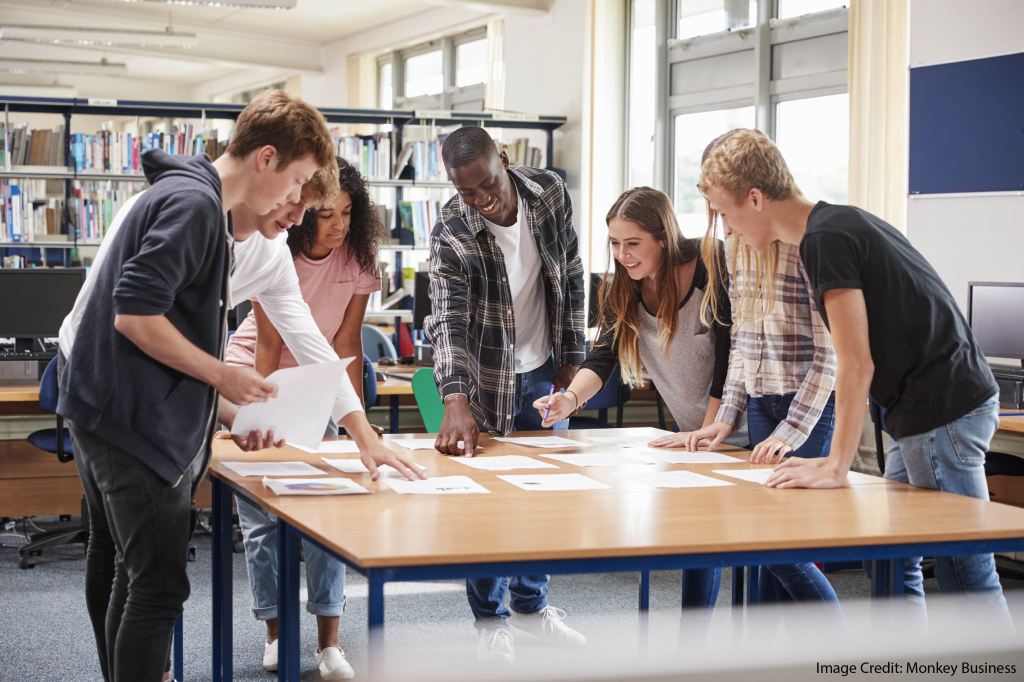
Collaborative learning is a powerful educational approach that fosters teamwork, critical thinking, communication skills, and overall academic success among students. By working together in groups or pairs, students can engage in meaningful discussions, share diverse perspectives, and learn from each other’s strengths and weaknesses. In this article, we will explore various aspects of collaborative learning and how it can be effectively implemented across different educational settings.
Peer assessment techniques play a crucial role in collaborative learning environments by allowing students to provide constructive feedback to their peers. This not only helps students improve their own work but also enhances their ability to evaluate others’ performance objectively. Peer assessment encourages active participation and accountability within the group while promoting a sense of ownership over the learning process.
Collaborative learning in outdoor settings offers unique opportunities for hands-on experiential learning and connection with nature. Outdoor activities such as field trips, team-building exercises, and environmental projects encourage collaboration among students while promoting physical health and well-being. Students can develop problem-solving skills, resilience, and environmental awareness through outdoor collaborative experiences.
Integrating technology in collaborative learning opens up new possibilities for interactive engagement and distance education. Virtual collaboration tools, online platforms, multimedia resources, and communication technologies enable students to collaborate seamlessly regardless of physical location. Technology-enhanced collaborative projects promote digital literacy skills and prepare students for the demands of the modern workplace.
Cross-age peer tutoring is an effective strategy that involves older students mentoring younger ones in a collaborative learning context. This approach promotes mutual respect, empathy, leadership skills, and academic support within diverse age groups. Cross-age peer tutoring breaks down traditional hierarchies in education while fostering positive relationships among students across different grade levels.
Collaborative learning for students with disabilities emphasizes inclusive practices that accommodate diverse needs and abilities within the group. By creating supportive environments that value everyone’s contributions equally, educators can empower all learners to participate actively in collaborative tasks. Adapted materials, assistive technologies, flexible grouping strategies are essential components of successful inclusive collaborative learning experiences.
Implementing collaborative learning in art education encourages creativity,
expressionism
and experimentation through collective brainstorming sessions,
critique
and shared artistic endeavors.
Students
can inspire each other,
explore
different techniques,
and collaborate on large-scale projects that showcase their individual talents within a supportive group dynamic.
Artistic collaborations foster a sense of community,
encourage
risk-taking,
and celebrate diversity through visual representation
The role of reflection is key aspect throughout every stage of any kind collaborated project since it allows individuals to gain insight into their own strengths,
weaknesses,and areas for improvement.
Reflective practices prompt participants to evaluate their contributions critically critique group dynamics
appreciate others’ perspectives
recognize personal growth ,which leads deeper understanding self-awareness
Storytelling provides rich medium engaging narrative-driven collaboratively -learning experiences.Students create stories together draw on imagination ,
communication skills,and emotional intelligence forge connections with one another .
Through storytelling groups construct narratives around shared themes characters scenarios
Communicative challenges conflicts resolutions emerge organically as participants co-create immersive worlds drive plot forward .
Physical education classes offer ideal environment fostering teamwork cooperation sportsmanship Collaborative activities such team sports dance routines fitness challenges require coordinated efforts peers achieve common goals Physical education instructors facilitate positive interactions establish clear expectations roles lead discussion debrief reflects on performances Encouraging open communication mutual support develops trust rapport amongst classmates enhances overall experience PE lessons .
Building trust rapport fundamental establishing productive cohesive teams Collaborations flourish where members feel safe respected valued Each student brings unique perspective set capabilities contributing collective effort Building relationships based mutual understanding empathy creates environment conducive open dialogue idea sharing constructive feedback Trust enables individuals take risks step outside comfort zones knowing they supported fellow team members .
 Alternative Amie
Leave a comment