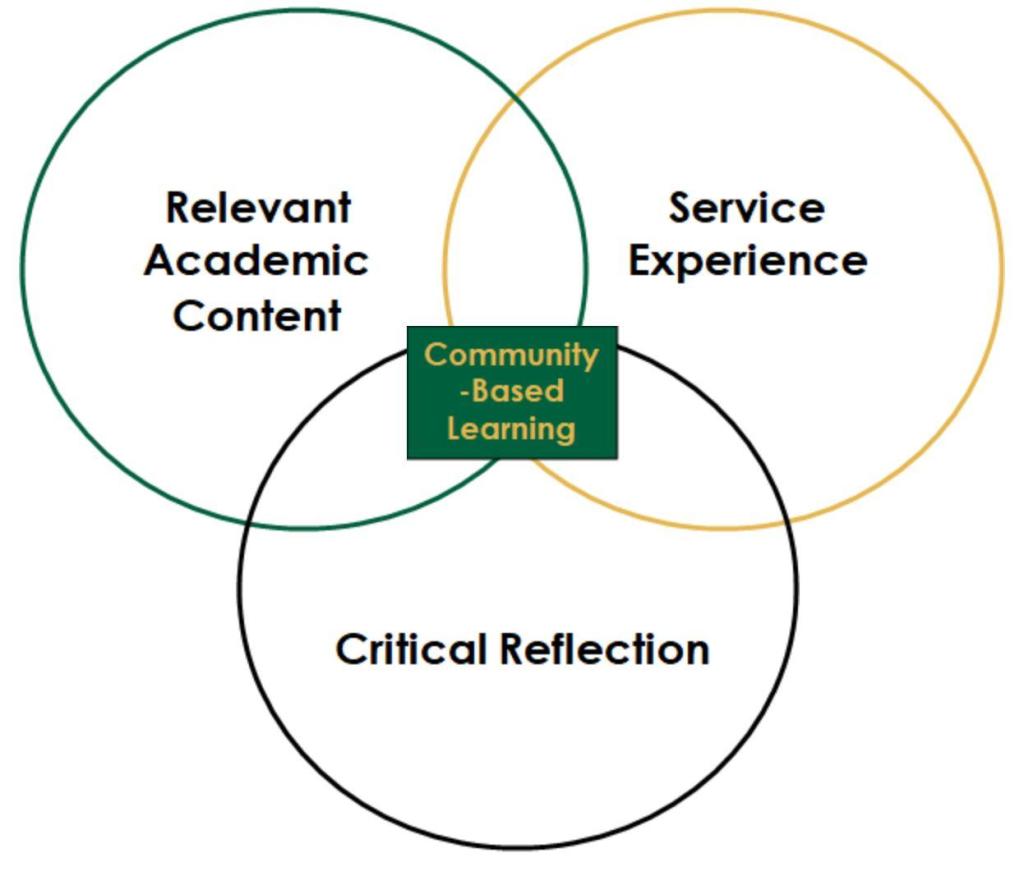
Community-based learning is a powerful educational approach that fosters collaboration, engagement, and real-world application of knowledge. It connects students with their local communities, encourages active participation in addressing community needs, and promotes holistic learning experiences. In this article, we will explore various aspects of community-based learning across different contexts and its impact on individuals and communities.
Intergenerational Community-Based Learning:
Intergenerational community-based learning brings together people of different ages to share skills, knowledge, and experiences. This approach not only enriches the learning process but also builds strong relationships within the community. For example, older adults can pass down traditional crafts or wisdom to younger generations while youth can offer technological expertise or fresh perspectives on contemporary issues.
Community-Based Learning in Rural Areas:
In rural areas, community-based learning plays a vital role in bridging educational gaps and promoting sustainable development. By connecting classroom learning with local resources and challenges, students gain a deeper understanding of their environment and contribute meaningfully to community growth. Projects like establishing community gardens or organizing workshops on sustainable farming practices help students develop practical skills while fostering a sense of belonging to their rural communities.
Incorporating Technology into Community-Based Learning:
Technology serves as a valuable tool for enhancing community-based learning initiatives by expanding access to resources and facilitating communication among participants. Virtual platforms can connect learners from diverse locations for collaborative projects or enable online mentorship programs with experts in various fields. Integrating technology also prepares students for digital literacy skills essential for future academic and professional pursuits.
Environmental Sustainability in Community-Based Learning:
Community-based learning offers an excellent platform for promoting environmental sustainability through hands-on activities such as waste reduction campaigns, habitat restoration projects, or renewable energy initiatives. By engaging with ecological issues at the local level, students develop a sense of environmental stewardship and learn how individual actions can contribute to global sustainability efforts.
Building Partnerships for Community-Based Learning Programs:
Successful community-based learning programs rely on strong partnerships between schools, non-profit organizations, businesses, government agencies, and other stakeholders. Collaborative efforts ensure that resources are maximized, expertise is shared effectively, and diverse perspectives are incorporated into project planning. Building sustainable partnerships also fosters long-term commitment to community engagement initiatives beyond individual program durations.
Evaluating the Impact of Community-Based Learning Initiatives:
Measuring the impact of community-based learning initiatives is essential for assessing effectiveness, refining strategies, and demonstrating outcomes to stakeholders. Evaluation methods may include surveys, interviews with participants or partners,
pre-post assessments of student knowledge/skills development,, observation checklists etc . These evaluations provide valuable insights into the benefits gained by individuals involved in these programs as well as their broader effects on communities served.
Culturally Responsive Community-Based Learning Approaches:
Culturally responsive pedagogy acknowledges the diversity within communities , honors cultural traditions,,and incorporates culturally relevant content into education activities.Community based-learning approaches grounded in cultural responsiveness promote inclusivity,respect,and equity ensuring that all members feel valued.Leveraging culturally responsive practices enriches educational experiences by recognizing unique perspectives,promoting cross-cultural understanding,and empowering individuals from marginalized backgrounds.
Social Entrepreneurship:
Social entrepreneurship involves using innovative business models,sustainable practices,and ethical principles to address social issues.This framework aligns well with alternative education settings where creativity,collaboration,and social responsibility are emphasized.Social entrepreneurship empowers learners to become agents of change by developing solutions that benefit both society nd themselves.Through experiential opportunities such as creating social enterprises,fundraisingfor causes ,or designing service-oriented projects,young people engage meaningfullywith real-world problems whilst building entrepreneurial skills.
Promoting Social Justice through Community Based-Learning:
Community based-learning provides a platform ffor advancing social justice causesby raising awareness,on injustices,challenging stereotypes,and advocatingforneglected rights.A focuson social justice encourages critical thinking,.empathy,and active citizenshipamongstlearners who then become advocatesfor positive societal transformation.By engagingin servicework,researchprojects.or artsinitiatives centered aroundsocial justicethemesstudents cultivatea deepcommitmentto equalityand fairnesswithintheircommunities.
Outdoor Education:
Outdoor educationoffers immersiveexperiencesin naturethat stimulate curiosity,promote physicalactivity,and foster connectionswiththe natural world.Through outdooradventureactivitieslike hiking,camping,kayakingor team-buildingchallengecoursesstudents develop resilience,independence,self-confidenceandintrapersonal skillssuchas problem-solvingandleadership.Outdooreducationinstillsappreciationfor environmental conservationwhile nurturingphysicalhealthandwell-being.
This comprehensive overview highlights the multifaceted natureofcommunity-baselearningandrevealsits potentialtorevolutionizeeducationpractices
andsupportlifelonglearningjourneys.Withdiverseapplicationsacrossvariousdisciplinesandsettings.communitybasedlearningembracesinnovationcollaborationandsocialresponsibilityto shapea more inclusiveeducational landscapewhereindividualsareempoweredtocreatepositivechangeintheircommunitiesandbeyond
 Alternative Amie
Leave a comment