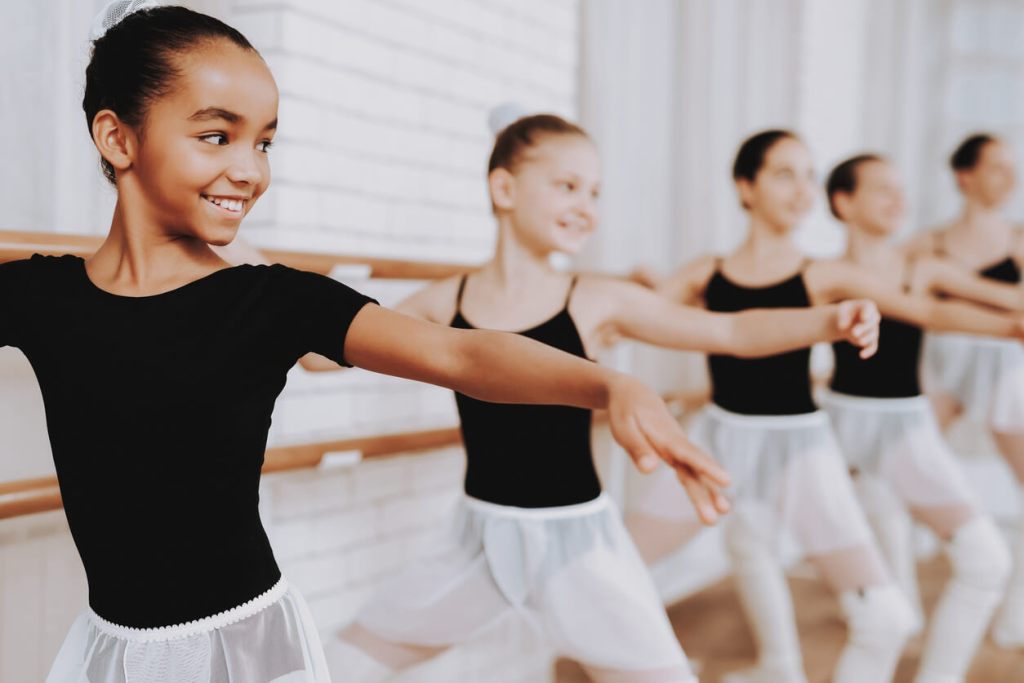
Physical education is an essential component of a well-rounded education, and incorporating dance and movement activities can add a fun and engaging dimension to the learning experience. Alternative schooling and education environments often have more flexibility in their curriculum, making them ideal settings for integrating creative physical activities like dance. Not only does dance promote physical fitness, but it also enhances emotional well-being, cognitive development, social skills, and creativity.
Dance is a holistic activity that engages both the mind and body. It requires coordination, balance, flexibility, strength, rhythm, and spatial awareness – all of which are important aspects of physical literacy. In addition to improving physical health and fitness levels, dancing also has numerous mental health benefits. It can boost mood by releasing endorphins (the body’s natural feel-good chemicals), reduce stress levels through rhythmic movement patterns, enhance self-esteem by mastering new skills or choreographies, and provide a creative outlet for self-expression.
Incorporating dance into the physical education curriculum at alternative schools can be done in various ways to cater to different interests and abilities:
1. **Dance classes**: Structured dance classes led by qualified instructors can introduce students to different styles such as ballet, hip-hop, jazz or contemporary dance. These classes not only teach specific techniques but also emphasize teamwork, discipline and focus.
2. **Dance-based fitness workouts**: High-energy workouts like Zumba or cardio-dance routines offer a fun way to improve cardiovascular endurance while grooving to music.
3. **Creative movement sessions**: These sessions focus on exploring spontaneous movements through guided exercises or improvisational prompts rather than following set choreographies. This approach encourages individual expression and fosters creativity.
4. **Dance therapy**: Dance/movement therapy sessions can help students process emotions non-verbally through movement exploration under the guidance of a licensed therapist.
5. **Performance opportunities**: Organizing school-wide dance performances or showcases allows students to showcase their talents while building confidence in front of an audience.
6. **Integrating cultural dances**: Exploring traditional dances from different cultures not only teaches diversity but also provides opportunities for cross-cultural understanding and appreciation.
7. **Incorporating technology**: Utilizing apps or online platforms that teach dance moves or enable virtual group dancing experiences can make learning more interactive for tech-savvy students.
8. **Field trips/Workshops**: Arranging visits to professional dance studios or inviting guest artists for workshops can expose students to the broader world of performing arts beyond their classroom walls.
When planning dance activities in alternative schooling environments:
– Consider student preferences: Allow students some choice in selecting the style(s) they want to learn.
– Adapt activities: Tailor movements based on individual abilities ensuring inclusivity.
– Provide resources: Ensure access to appropriate facilities/space where students feel comfortable moving freely.
– Encourage collaboration: Group activities foster teamwork skills as well as empathy towards peers.
– Celebrate progress: Recognize achievements no matter how small; positive reinforcement motivates continued participation
The benefits of incorporating dance into physical education extend beyond just improving motor skills; they contribute significantly towards overall well-being by nurturing creativity,
improving mental health outcomes,and promoting social connections among peers.
Furthermore,dancing transcends language barriers,making it an inclusive activity that celebrates diversity within alternative schooling communities.
In conclusion,dance offers myriad benefits for individuals across age groups,and its integration into alternative school curriculums enhances both physical
and emotional development.Delivering quality instruction,supporting artistic exploration,and fostering positive interactions are key components
of successful implementation.By embracing diverse forms of movement,young learners can unlock their potential in ways that extend far beyond
traditional educational paradigms.
Whether it’s through structured classes,casual workshops,inclusive performances,
or technological innovations,dance holds immense power in shaping holistic educational experiences within alternative schooling contexts.
In essence,dancing isn’t just about mastering steps—it’s about fostering growth,nurturing self-expression,and creating lasting memories that go beyond the confines of a classroom setting.
By recognizing the transformative impact of movement-based practices,you pave the way for future generations
to embrace wellness,cultural exchange,and personal enrichment through the joyous art form known as DANCE!
 Alternative Amie
Leave a comment