The Montessori approach to teaching art is a unique and innovative method that focuses on nurturing creativity, self-expression, and individuality in children. In a Montessori classroom, art is not just about creating beautiful pieces; it is also about the process of exploration, discovery, and personal growth.
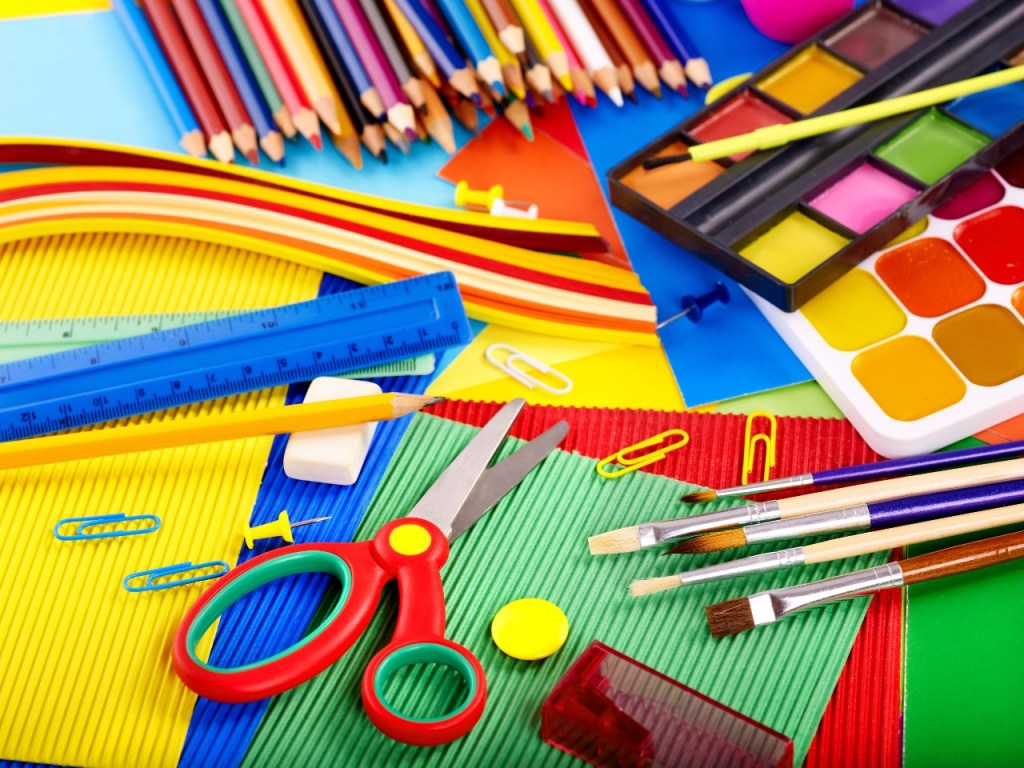
One of the key principles of the Montessori approach to teaching art is providing children with open-ended materials and tools that allow them to express themselves freely. This means offering a wide variety of art supplies such as paints, clay, markers, pencils, and collage materials for children to choose from based on their interests and preferences. By giving children the freedom to experiment with different mediums and techniques, they are able to explore their creativity in a meaningful way.
Incorporating technology in Montessori education has become increasingly popular as educators recognize the benefits of using digital tools to enhance learning experiences for students. While traditional Montessori classrooms primarily focus on hands-on activities and real-world experiences, technology can be effectively integrated into the curriculum to support student learning in various subjects.
Technology can be used in Montessori education to provide interactive lessons, virtual field trips, educational games, online research resources, and communication platforms for collaboration among students. By incorporating technology thoughtfully and purposefully into the classroom environment, educators can create engaging learning opportunities that cater to diverse learning styles and preferences.
Outdoor learning in Montessori schools plays a significant role in promoting holistic development among students. Spending time outdoors allows children to connect with nature, engage their senses, develop gross motor skills through physical activity like running or climbing trees while fostering an appreciation for the environment.
Montessori schools often have outdoor classrooms or natural play spaces where children can explore freely without constraints. Outdoor learning activities may include gardening projects where students learn about plant life cycles or wildlife observation exercises that encourage curiosity about the natural world around them.
Physical education in a Montessori setting emphasizes movement exploration rather than competition or performance-based activities. The focus is on helping children develop coordination skills balance flexibility strength endurance through fun engaging activities such as yoga dance gymnastics sports games obstacle courses
Implementing mindfulness practices in Montessori classrooms helps promote emotional regulation self-awareness stress reduction among students Mindfulness techniques may include deep breathing exercises mindful listening meditation visualization activities designed help children cultivate present moment awareness build resilience cope with challenges daily life
Montessori education provides inclusive environment for all learners including those with special needs Each child’s unique abilities strengths challenges are considered when designing individualized educational programs IEPs tailored meet their specific needs goals Teachers trained work closely families professionals ensure every student receives appropriate support accommodations required succeed
Sustainability environmental education integral part curriculum at many Montessori schools Children learn importance protecting planet conserving resources reducing waste recycling upcycling taking care living things They engaged hands-on projects like composting gardening energy conservation field trips nature centers farms promote ecological consciousness responsibility towards Earth
Integrating music education into the Montessori curriculum enriches sensory experiences cognitive development emotional expression social interaction among students Children exposed variety musical genres instruments singing dancing composing exploring sound patterns rhythms fosters love appreciation arts enhances overall well-being academic achievement
Social justice diversity essential components Montessoris commitment creating equitable inclusive communities Educators strive foster environments celebrate differences promote understanding empathy respect individuals regardless race ethnicity culture religion gender identity socioeconomic status Through multicultural literature discussions service projects guest speakers cultural celebrations students encouraged embrace appreciate diversity values perspectives others
The role play foundational element supports child’s cognitive social emotional development According Maria essential creative vital enhancing problem-solving skills fostering imagination building confidence promoting cooperation teamwork Children given opportunities engage free spontaneous make-believe scenarios props costumes props facilitate exploration experimentation storytelling collaboration communication
Gardening agriculture offer hands-on experiential learning opportunities teach concepts plant growth lifecycle nutrition sustainability food production Many Moressori incorporate garden spaces school grounds where kids participate planting watering weeding harvesting vegetables fruits herbs Flowers Students gain understanding interconnectedness nature importance caring environment developing sense responsibility stewardship land resources
Parent involvement crucial aspect Morresori philosophy encourages active participation engagement parents caregivers school community Parents invited observe volunteer assist classroom events workshops share expertise interests support child’s educational journey home extension collaborative relationship between home school promotes consistency reinforcement continuity child’s holistic development
Conflict resolution peace education taught Morressori settings help cultivate peaceful respectful interpersonal relationships Among strategies employed active listening mediation negotiation problem-solving restorative circles conflict resolution peer mentoring peer modeling positive behavior Encouraging open communication perspective-taking empathy forgiveness teaches valuable life skills prepares young people navigate conflicts disagreements constructive manner promoting harmonious coexistence mutual respect within community
 Alternative Amie
Leave a comment