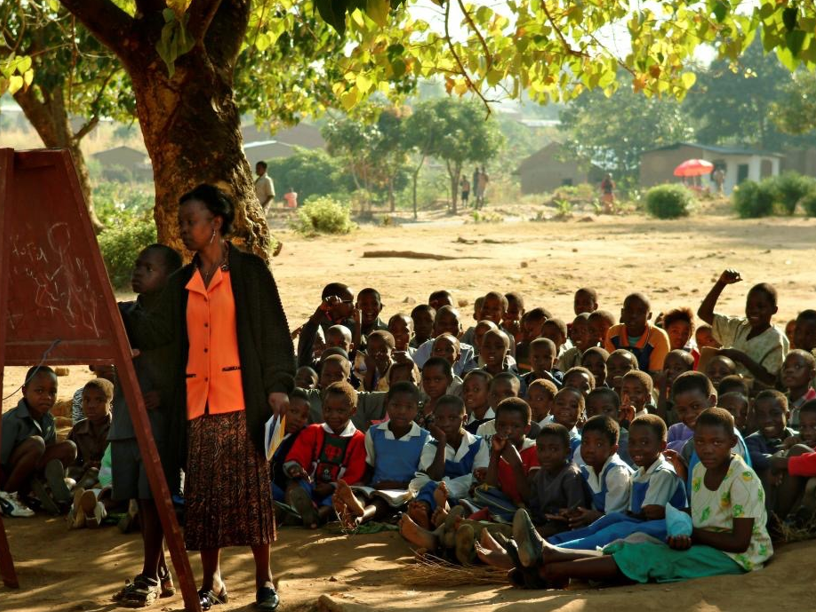
Africa is a continent rich in culture, history, and diversity. When it comes to education, there are unique challenges and opportunities that shape the educational landscape across the region.
One of the key issues facing education in Africa is access. Many children do not have the opportunity to attend school due to factors such as poverty, distance from schools, or cultural beliefs that prioritize boys’ education over girls’. This lack of access contributes to high dropout rates and low levels of literacy in many parts of Africa.
In response to these challenges, alternative schooling options have emerged to provide education to those who may not have access to traditional schools. These alternatives include community schools, mobile classrooms, online learning platforms, and non-formal education programs. By offering flexible schedules, practical skills training, and tailored support for marginalized communities, these alternative models aim to bridge the gap in educational opportunities.
Furthermore, African countries are increasingly investing in innovative approaches to improve their education systems. Initiatives such as teacher training programs, curriculum reforms that incorporate indigenous knowledge systems, and technology integration in classrooms are helping enhance the quality of education across the continent.
Despite ongoing challenges like infrastructure limitations and funding constraints, Africa’s commitment to improving educational outcomes remains strong. By embracing alternative schooling methods and fostering a culture of innovation in education policy and practice, Africa is making strides towards providing quality education for all its citizens.
 Alternative Amie
Leave a comment