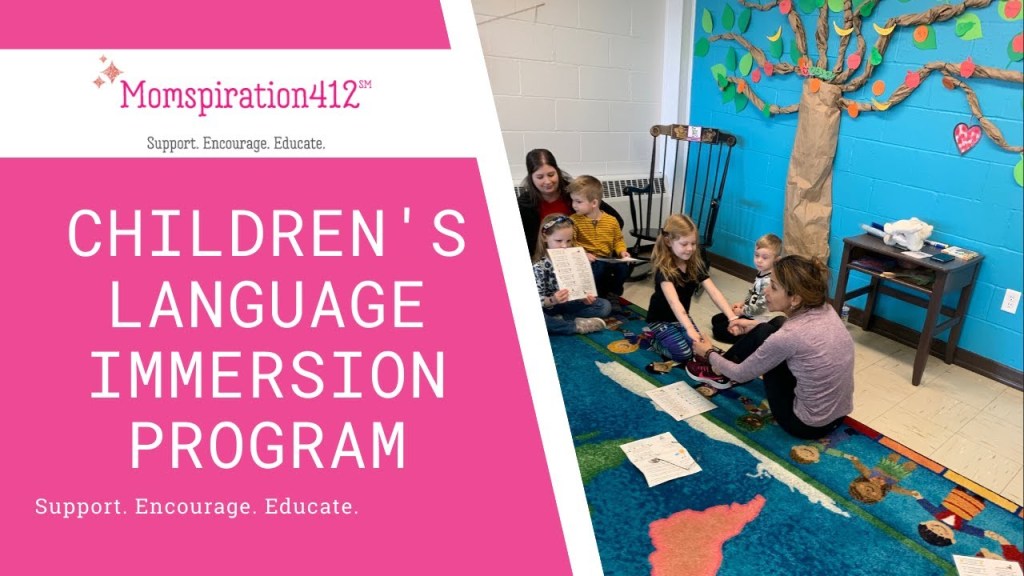
Language immersion programs have shown great promise in aiding children with learning disabilities. By surrounding these students with a rich language environment, they are provided with frequent opportunities to practice and improve their language skills. The immersive nature of these programs allows for constant exposure to the target language, which can enhance cognitive abilities and boost self-confidence. Additionally, language immersion can promote social inclusion as students interact with their peers in a supportive and diverse setting.
Implementing language immersion in rural schools presents unique challenges but also offers significant benefits. By bringing immersive language education to remote areas, students who may not otherwise have access to such opportunities can broaden their horizons and develop valuable linguistic skills. These programs can also help bridge the gap between urban and rural educational offerings, providing all students with equal chances for academic success.
Introducing language immersion at the preschool level has been found to be highly effective in fostering early language acquisition and cultural awareness. Young children have a natural aptitude for picking up new languages, making this an ideal time to expose them to an immersive linguistic environment. Through play-based activities and interactive lessons, preschoolers can lay a strong foundation for future bilingualism while developing important cognitive and social skills.
The impact of technology on language immersion programs is undeniable. With advancements such as online learning platforms, virtual classrooms, and interactive multimedia resources, educators now have powerful tools at their disposal to enhance the immersive experience for students. Technology enables more personalized learning experiences tailored to individual student needs while also promoting engagement and interactivity in the classroom.
Cultural sensitivity is a crucial aspect of successful language immersion programs. Educators must ensure that curricula reflect diverse perspectives and backgrounds, fostering respect for different cultures among students. By incorporating culturally relevant materials into lessons and promoting cross-cultural understanding, language immersion becomes not only about linguistic proficiency but also about global citizenship.
For homeschooling families seeking innovative educational approaches, language immersion provides a dynamic way to engage children in learning multiple languages from home. Through online resources, community programs, or hiring native-speaking tutors, parents can create immersive environments that encourage bilingualism while nurturing creativity and critical thinking skills in their children.
Incorporating art and music into language immersion curriculum adds another layer of richness to the learning experience. Creative activities like singing songs in the target language or creating artworks inspired by cultural themes deepen students’ connection to the linguistic content while stimulating their imagination and emotional expression.
Assessing proficiency levels in language immersion programs poses challenges due to the complex nature of multilingual development. Traditional assessments may not accurately capture students’ true abilities as they navigate multiple languages simultaneously. Educators need innovative evaluation methods that consider contextual factors and provide holistic insights into learners’ progress within an immersive context.
 Alternative Amie
Leave a comment