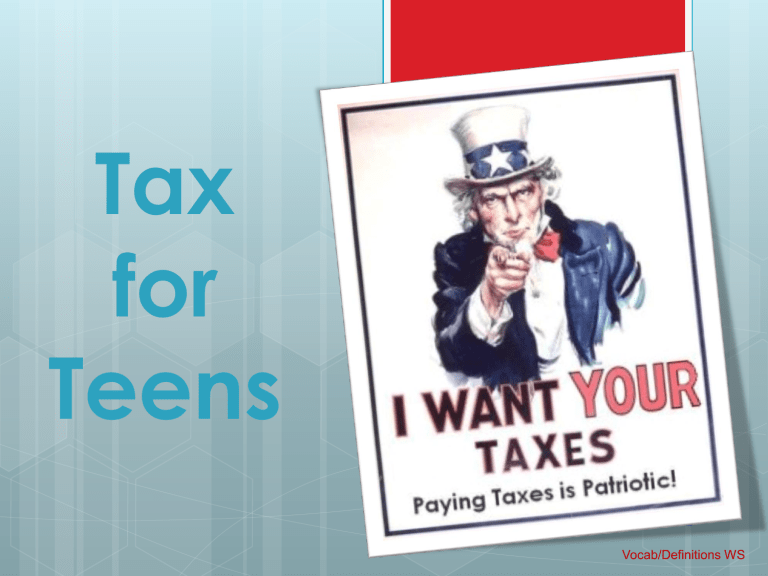
Taxes may seem like a complex and intimidating topic, but understanding the basics of how they work is essential for teenagers as they start to earn their own money. Learning about taxes can empower young people to make informed financial decisions and take control of their financial futures. In this article, we will provide an overview of taxes for teens, covering key concepts such as types of taxes, why we pay taxes, how to file taxes, and tips for managing finances effectively.
Firstly, it’s important for teens to understand the different types of taxes they may encounter. The most common types include income tax, which is a tax on the money you earn from working or investments; sales tax, which is added to the price of goods and services at the point of purchase; and property tax, which is based on the value of owned real estate. By knowing these categories, teens can begin to grasp where and why taxes are applied in various situations.
One question that often arises among teenagers is: Why do we have to pay taxes? Taxes play a crucial role in funding public services such as schools, roads, healthcare, and emergency services. They also help support social welfare programs that assist those in need. Understanding this connection between paying taxes and benefiting from public services can help teens appreciate the importance of contributing to society through taxation.
When it comes time for teenagers to file their own taxes (usually if they have earned income above a certain threshold), there are several options available. They can choose to file independently using online software or seek assistance from parents or professionals. Filing taxes accurately and on time is vital as failure to do so could result in penalties or fines.
Managing finances effectively goes hand in hand with understanding taxation. Teens should learn basic financial literacy skills such as budgeting, saving money wisely, and tracking expenses. These skills will not only help them navigate tax obligations but also set them up for long-term financial success.
Another aspect worth considering is deductions and credits that can lower taxable income or reduce the amount owed in taxes. For example, educational expenses or charitable donations may be eligible for deductions while credits like the Earned Income Tax Credit can provide additional savings for low-income earners.
Additionally, discussing entrepreneurship with teens opens up opportunities to explore self-employment tax implications if they decide to start their businesses or freelance work. Understanding how self-employment income differs from traditional employment income can aid young individuals in planning ahead financially when venturing into entrepreneurial endeavors.
Teaching teens about responsible citizenship includes educating them about ethical considerations related to taxation such as avoiding tax evasion or fraud. Emphasizing honesty and integrity in fulfilling tax obligations ensures compliance with laws while fostering a sense of civic duty among younger generations.
As technology continues advancing rapidly within finance sectors too – including taxation – introducing teens early on tools like accounting software or mobile apps designed for budget management offers practical exposure that aligns with modern-day financial practices.
In conclusion,
Understanding Taxes plays a significant role even at a young age since gaining knowledge now sets solid groundwork later when facing more complex taxing matters during adulthood years.
By breaking down complexities into digestible portions tailored towards teen audiences alongside providing relatable examples equips them better handle future responsibilities confidently starting today!
 Alternative Amie
Leave a comment