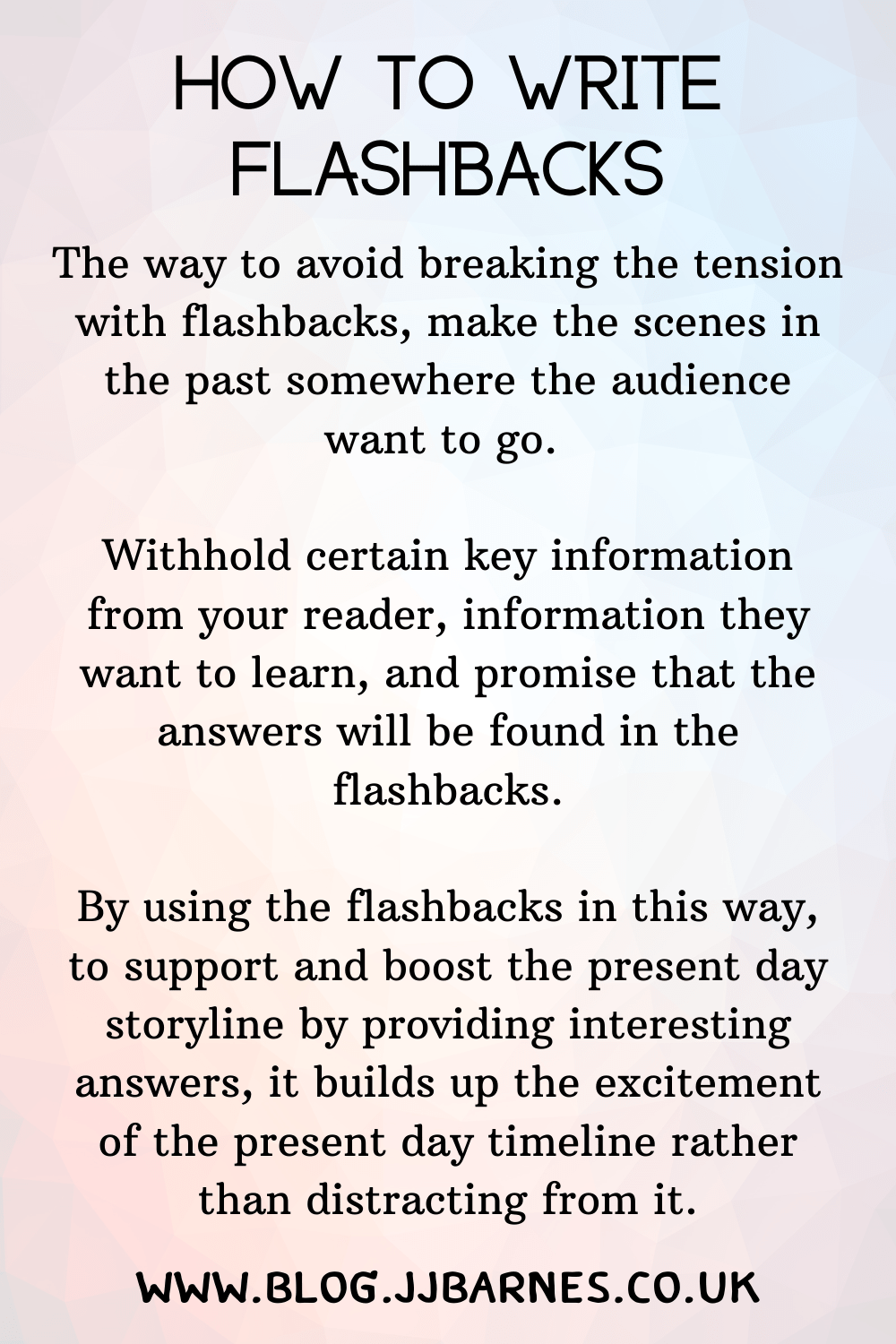
Flashbacks in education are a powerful tool that can enhance student learning and understanding in alternative schooling environments. By providing students with opportunities to reflect on past experiences, make connections between different concepts, and build upon their prior knowledge, flashbacks can help students develop a deeper understanding of the material being taught.
One of the key benefits of using flashbacks in education is that it allows students to see the bigger picture and understand how different concepts are interconnected. For example, if a student is learning about World War II in history class, a flashback activity could involve revisiting previous lessons on the causes of the war or the key events that led to its outbreak. By connecting these different pieces of information together, students can gain a more comprehensive understanding of the topic as a whole.
Another advantage of using flashbacks is that it helps reinforce learning by providing students with opportunities to review and practice previously learned material. This can be especially helpful for students who may have difficulty retaining information or who need extra support in mastering certain concepts. By revisiting past lessons through flashbacks, students can solidify their understanding and build confidence in their abilities.
Furthermore, flashbacks can be an effective way to engage students in active learning and critical thinking. Instead of passively receiving information from teachers or textbooks, students are actively involved in reconstructing their own knowledge through reflection and analysis. This process not only helps improve retention but also encourages higher-order thinking skills such as problem-solving, evaluation, and synthesis.
In addition to enhancing academic performance, using flashbacks in education can also promote social-emotional growth among students. Reflecting on past experiences and making connections between different events can help foster empathy, perspective-taking, and self-awareness. Students may develop a greater sense of appreciation for diverse perspectives and cultures as they explore how different historical events have shaped our world today.
Moreover, incorporating flashbacks into alternative schooling environments can provide flexibility for educators to differentiate instruction based on individual student needs. For example, teachers can use flashback activities to provide additional support for struggling learners or challenge advanced learners with more complex connections between concepts. This personalized approach to teaching ensures that all students receive the necessary scaffolding and enrichment they need to succeed academically.
It is important to note that while flashbacks can be a valuable tool in education, they should be used thoughtfully and purposefully. Educators should ensure that flashback activities align with learning objectives and are integrated seamlessly into existing lesson plans. Additionally, it is essential to provide adequate guidance and support for students as they engage in reflection exercises to maximize their learning outcomes.
In conclusion, utilizing flashbacks in alternative schooling settings offers numerous benefits for both educators and students alike. From promoting deeper understanding of content material to fostering critical thinking skills and social-emotional growth, flashback activities have the potential to enhance student learning experiences significantly. By incorporating reflective practices into daily instruction routines effectively, educators can create engaging learning environments where every student has the opportunity to thrive academically and personally.
 Alternative Amie
Leave a comment