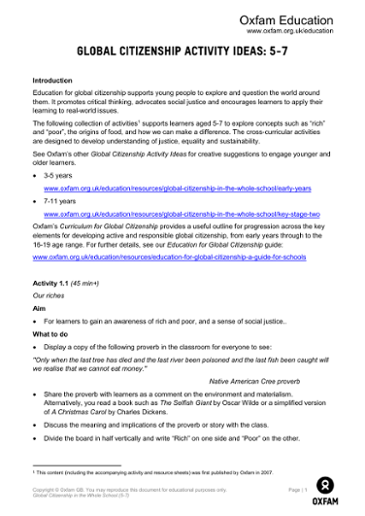
Global citizenship projects are a key component of alternative schooling and education, providing students with the opportunity to engage in meaningful ways with global issues, develop empathy and understanding for different cultures, and make a positive impact on the world. These projects encourage students to think critically about their role as global citizens and empower them to take action to create positive change.
One example of a global citizenship project is the Global Community Service Learning program offered by many schools around the world. This program allows students to travel to different countries or work with international organizations in their own communities to address pressing social and environmental issues. Through hands-on experiences, students learn about the interconnectedness of global challenges such as poverty, inequality, climate change, and human rights violations.
Another popular type of global citizenship project is the Model United Nations (MUN) program. In MUN simulations, students represent different countries and debate current international issues from diplomatic perspectives. This experience helps them develop critical thinking skills, public speaking abilities, negotiation tactics, and research capabilities while gaining a deeper understanding of how diplomacy works at an international level.
Service-learning projects also play a crucial role in fostering global citizenship among students. These projects involve collaborating with local communities or organizations on initiatives that address specific needs or challenges. By engaging in service-learning projects, students not only contribute positively to their communities but also gain valuable insights into social justice issues both locally and globally.
Social entrepreneurship is another avenue through which students can explore their roles as global citizens. By creating innovative solutions for societal problems through business ventures or non-profit organizations, students learn how they can leverage their skills and resources to effect meaningful change in the world while developing essential entrepreneurial skills such as leadership, teamwork, communication, and problem-solving.
In addition to these hands-on projects, classroom-based activities also play a vital role in fostering global citizenship among students. Teachers can incorporate cross-cultural exchanges through pen-pal programs or virtual collaborations with schools from different parts of the world. They can also integrate discussions on topics such as cultural diversity, human rights, sustainable development goals (SDGs), peacebuilding efforts into their curriculum to broaden students’ perspectives on global issues.
Furthermore, technology has played a significant role in expanding opportunities for engaging in global citizenship projects. Virtual reality (VR) experiences allow students to immerse themselves in scenarios that simulate real-world challenges faced by individuals living in different parts of the globe. Online platforms connect classrooms across borders for collaborative learning experiences that promote intercultural dialogue and understanding.
It’s important for schools implementing global citizenship projects to provide adequate support systems for both teachers and students involved. Professional development opportunities for educators can help them enhance their knowledge and skills related to teaching global issues effectively. Moreover,…
 Alternative Amie
Leave a comment